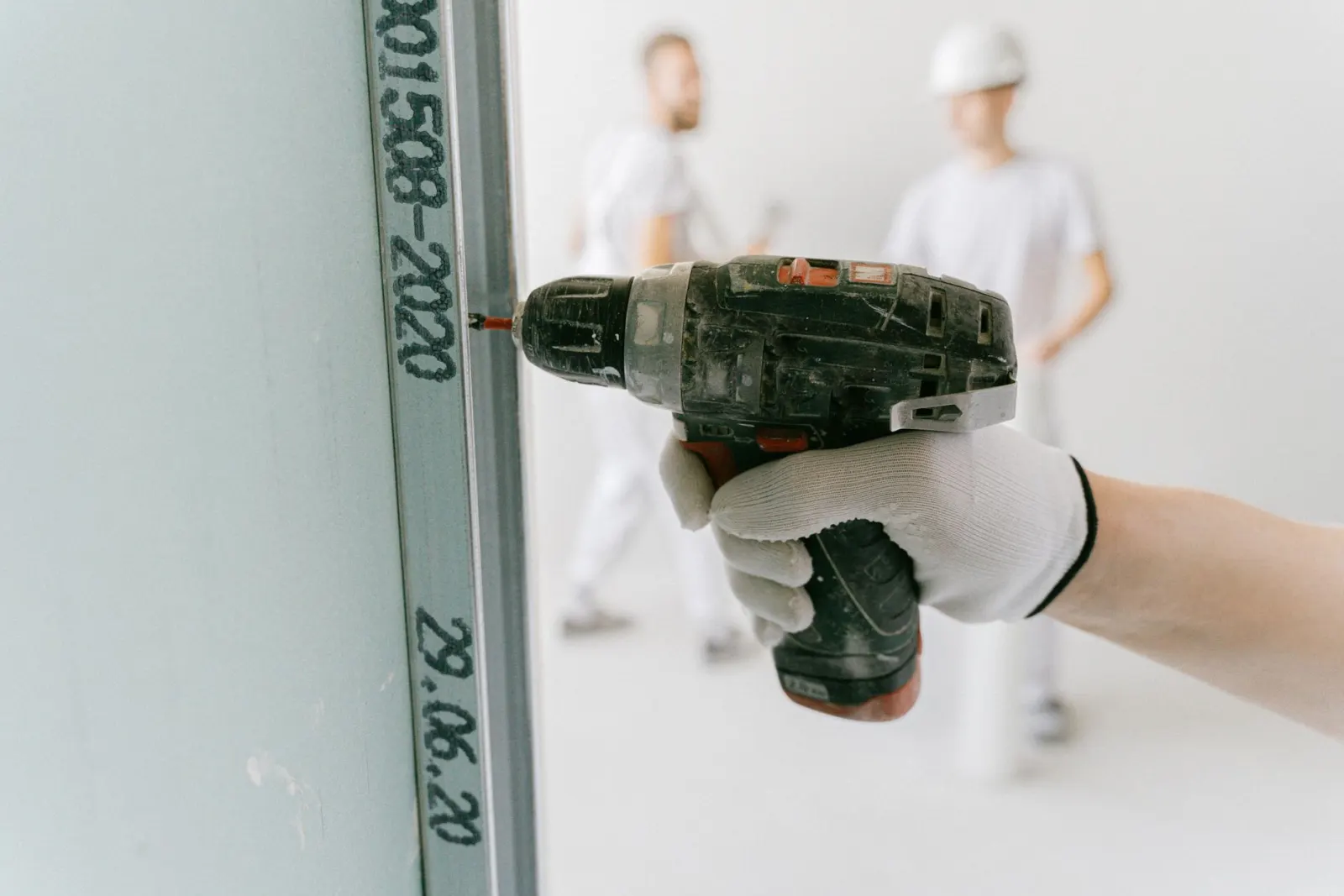
Reference
Drywall screw sizes
A drywall screw is sized by what it has to pass through and what it has to bite: the board, then the stud behind it. The code sets how deep it bites; the thread follows the stud.
What size drywall screws do I need? For ½ in drywall on wood studs, 1¼ in coarse-thread screws (32 mm); on light steel studs (under 0.033 in), 1 in fine-thread. The IRC (R702.3.5.1) wants the screw ⅝ in (15.9 mm) into wood past the board, or ⅜ in (9.5 mm) into light steel, and at least a No. 6 screw on steel.
What size screws for 1/2 drywall?
Formula: screw length ≥ board thickness + ⅝ in into wood (or + ⅜ in into light steel). Worked figure: ½ + ⅝ = 1⅛ in at least, so a 1¼ in coarse-thread screw on wood studs; on light steel, ½ + ⅜ = ⅞ in, so a 1 in fine-thread screw.
| Drywall | Framing | Code minimum length | Common choice | Thread |
|---|---|---|---|---|
| ½ in | Wood studs | ½ + ⅝ = 1⅛ in (28.6 mm) | 1¼ in (32 mm) | Coarse (Type W) |
| ½ in | Light steel studs (under 0.033 in) | ½ + ⅜ = ⅞ in (22.2 mm) | 1 in (25 mm) | Fine (Type S) |
| ⅝ in | Wood studs | ⅝ + ⅝ = 1¼ in (31.8 mm) | 1⅝ in (41 mm) | Coarse (Type W) |
| ⅝ in | Light steel studs (under 0.033 in) | ⅝ + ⅜ = 1 in (25.4 mm) | 1 in (25 mm) | Fine (Type S) |
| Two layers of ½ in | Wood studs | 1 + ⅝ = 1⅝ in (41.3 mm) | 2 in (51 mm) | Coarse (Type W) |
| Two layers of ½ in | Light steel studs (under 0.033 in) | 1 + ⅜ = 1⅜ in (34.9 mm) | 1⅝ in (41 mm) | Fine (Type S) |
| Two layers of ⅝ in | Wood studs | 1¼ + ⅝ = 1⅞ in (47.6 mm) | 2 in (51 mm) | Coarse (Type W) |
| Two layers of ⅝ in | Light steel studs (under 0.033 in) | 1¼ + ⅜ = 1⅝ in (41.3 mm) | 1⅝ in (41 mm) | Fine (Type S) |
The code minimum is the board plus the bite; the common choice is a stock screw at or above it, as screw makers' charts list it. ⅝ in board on wood meets the code with a 1¼ in screw — ⅝ + ⅝ lands exactly on it — and the common choice, 1⅝ in, gives ⅜ in more bite. On light steel, 1 in fine-thread is the usual single-layer screw, though some makers suggest 1¼ in. In a double layer the length is for the face-layer screw driven through both boards into the framing; the base layer goes up first with the single-layer screw. Heavier steel framing is in the steel stud table below.
Drywall screw size by thread: coarse or fine
ASTM C1002 names the drywall screw types by what they go into: coarse thread for wood, fine thread for steel. The IRC allows Type W or Type S into wood, but only Type S (or a bugle-head screw to ASTM C1513) into light steel studs.
| ASTM C1002 type | Thread | Goes into |
|---|---|---|
| Type W | Coarse | Wood studs and joists |
| Type S | Fine | Steel studs thinner than 0.033 in; also allowed into wood |
| Type G | Coarse, high thread | Gypsum board to gypsum board (laminated layers, not into framing) |
Screws for steel studs and screw gauge
Which screw goes into a steel stud depends on how thick the steel is. The code's dividing line is 0.033 in (0.84 mm) — 33 mil, the 20 gauge structural stud; the 18 mil (25 gauge) and 30 mil (20 gauge drywall) studs used for partitions are below it and take a sharp-point Type S screw that pierces the steel. Heavier studs need a drill-point screw. On steel the code wants at least a No. 6 screw.
| Steel stud thickness | Screw | Into the steel |
|---|---|---|
| Thinner than 0.033 in (0.84 mm) | Type S (ASTM C1002) or bugle-head (ASTM C1513) | At least ⅜ in (9.5 mm) |
| 0.033–0.112 in (0.84 mm–2.84 mm) | Drill point (ASTM C954) or bugle-head (ASTM C1513) | No depth set for wall studs; on steel ceiling joists, at least 3 threads showing through |
The ⅜ in figure applies to light studs only; the three-thread rule comes from the code's section on cold-formed steel roof and ceiling framing. Gauge is the screw's diameter number: a No. 6 screw is about 0.138 in (3.5 mm) across and a No. 8 about 0.164 in (4.2 mm). No. 6 suits most drywall on wood or metal and meets the code's minimum on steel; No. 8 is the heavier screw makers offer for older or harder wood. How many screws each sheet takes is a separate question, answered with counts for walls and ceilings in the drywall screws per sheet guide.
What you'll need to hang drywall
| Item | What it's for |
|---|---|
| #6 × 1¼ in coarse-thread screws Amazon | ½ in drywall on wood studs |
| #6 × 1⅝ in coarse-thread screws Amazon | ⅝ in drywall on wood studs |
| #6 × 2 in coarse-thread screws Amazon | The face layer of double-layer drywall on wood studs |
| #6 × 1 in fine-thread screws Amazon | ½ or ⅝ in drywall on light steel studs |
| Dimpler bit Amazon | Stops each screw just below the paper face |
| Drywall screw gun Amazon | Sets the depth for every screw on a full room |
As an Amazon Associate I earn from qualifying purchases.
Count the drywall and screws →Figures: Screw type, gauge and penetration: 2021 International Residential Code §R702.3.5.1 — screws for gypsum board on wood framing are Type W or Type S to ASTM C1002 and penetrate the wood not less than 5/8 in; gypsum board goes on cold-formed steel framing with minimum No. 6 screws; steel less than 0.033 in thick takes Type S screws to ASTM C1002 or bugle-head screws to ASTM C1513 that penetrate the steel not less than 3/8 in; steel 0.033 to 0.112 in thick takes screws to ASTM C954 or bugle-head screws to ASTM C1513. Screw diameters: Table R703.3.3 lists a No. 6 screw as 0.138 in and a No. 8 screw as 0.164 in minimum diameter. Code text read in the 2021 Seattle Residential Code, chapter 7, which adopts the 2021 IRC and does not amend these sections, https://seattle.gov/documents/Departments/SDCI/Codes/SeattleResidentialCode/2021SRCChapter7.pdf. Three threads through heavier steel: 2025 California Residential Code §R804.2.5 (gypsum board ceilings on cold-formed steel joists, minimum No. 6 screws to ASTM C954 or C1513; for all connections screws extend through the steel not fewer than three exposed threads), https://gocodebook.com/us/california/california-residential-code/roof-ceiling-construction/ceiling-finishes-and-installation/attaching-gypsum-to-steel-joists. Stud thickness: Marino\WARE steel framing nomenclature — 18 mil is 25 gauge, 30 mil is 20 gauge drywall (DW), 33 mil is 20 gauge structural (STR), https://www.marinoware.com/nomenclature/. Thread types: ASTM C1002-22 abstract — Type W coarse thread for gypsum board to wood members, Type S fine thread for gypsum board to cold-formed steel members, Type G for gypsum board to gypsum board, https://store.astm.org/c1002-22.html. Common-choice column: Grip-Rite drywall screws FAQ and tips — #6 1-1/4 in coarse thread for 1/2 in drywall on wood studs (1-5/8 in for more grip), 1-1/4 or 1-5/8 in screws for 1/2 in drywall, 1-5/8 or 2 in for 5/8 in drywall, #6 1-1/4 in fine thread for metal studs, #6 suits most metal and wood work and #8 is the heavier option for older or harder wood, https://grip-rite.com/product/drywall-screws/; Builder 3 & 2, Volume 2 (U.S. Navy training manual), chapter 5, page 5-4 — 1 in Type S screws are commonly used for single-ply drywall on metal studs, https://constructionmanuals.tpub.com/14044/css/Fasteners-160.htm; the same lengths as the screw table in Renovimo's drywall weight, screws and mud guide. Stock #6 coarse-thread drywall screws in 1-1/4 and 1-5/8 in: Simpson Strong-Tie DWC114PS, https://www.doitbest.com/product/378089/dwc-drywall-screw-collated-6-x-1-1-4-in-2-phillips-bugle-head-2500-qty-378089/, and DWC158PS, https://www.toolnut.com/products/simpson-strong-tie-dwc158ps-dwc-drywall-screw-collated-6-x-1-5-8-in-2-phillips-bugle-head-2500-pack. Accessed 2026-11-15.
Good to know
Questions, answered
1¼ in (32 mm) coarse-thread screws on wood studs and 1 in fine-thread screws on light steel studs. The board plus the ⅝ in the code wants in the wood is 1⅛ in, so 1¼ in is the next stock size.
1⅝ in coarse-thread on wood studs is the common choice; the code minimum is 1¼ in. On light steel studs a 1 in fine-thread screw reaches ⅜ in into the steel, which meets the ⅜ in the code asks for.
Coarse thread (Type W) for wood studs and joists, fine thread (Type S) for steel studs. Type S is also allowed into wood, but a coarse Type W screw is not one of the screws the code lists for light steel studs.
At least ⅝ in (15.9 mm) into wood and ⅜ in (9.5 mm) into light steel (under 0.033 in), under IRC R702.3.5.1.
No. 6 — about 0.138 in (3.5 mm) across — suits most drywall work, and the IRC calls for at least a No. 6 screw on steel framing. No. 8 (0.164 in) is the heavier option for older or harder wood.
Tools for the job
What makes this job easier
Tools and materials that suit this kind of job. These are affiliate links: if you buy through one, Renovimo may earn a commission at no extra cost to you. It never changes the figures on this page.
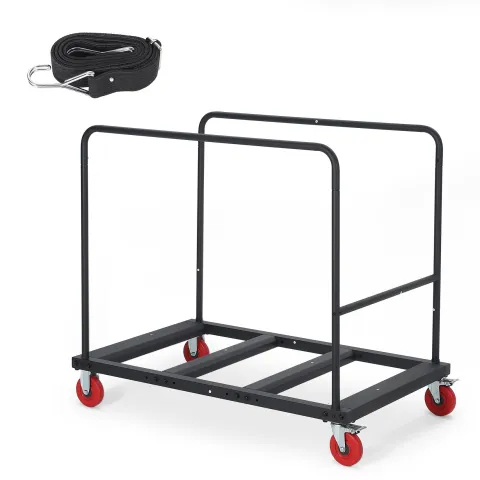 Garvee
Drywall panel cart
Moves a stack of sheets from the door to the room without carrying them one by one.
Check price
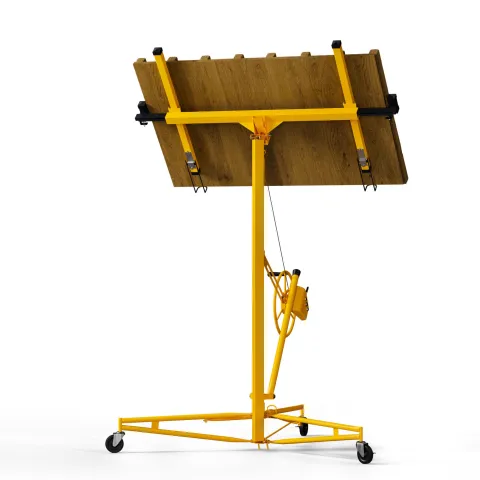 Garvee
Drywall lift, 11 ft
Holds a full sheet against the ceiling while you screw it off — one person can hang a ceiling.
Check price
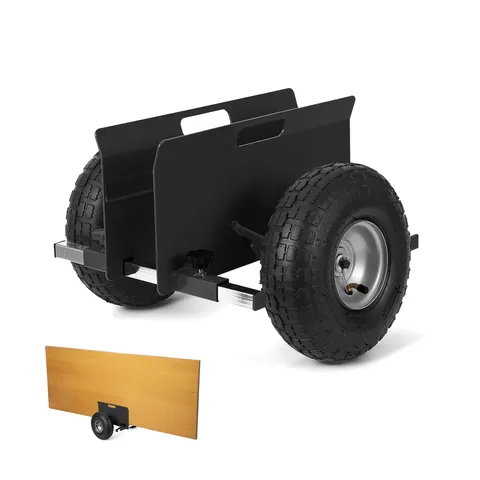 Garvee
Panel dolly, 600 lb
Wheels full sheets of drywall and plywood through the house on edge.
Check price
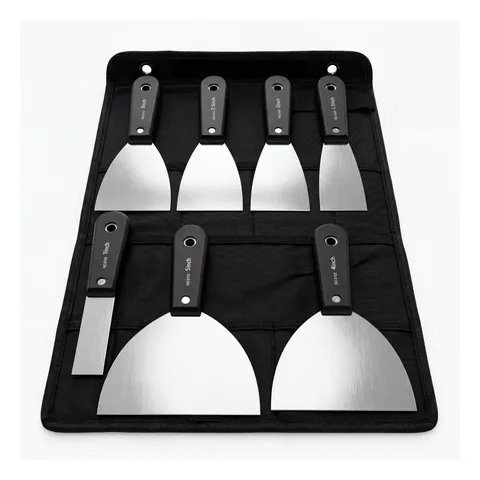 Garvee
Putty knife set, 1–5 in
Taping knives for mudding joints and filling holes before paint.
Check price
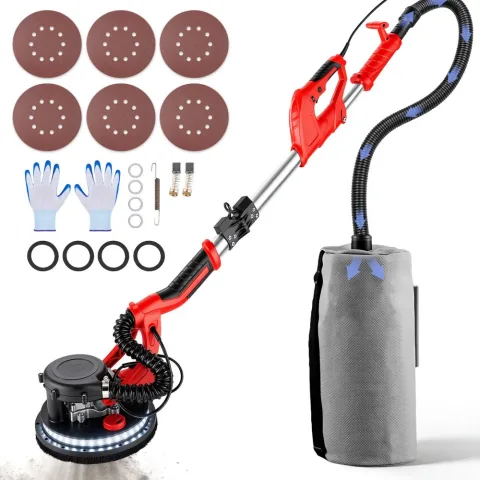 VEVOR
Drywall sander with dust hose
Sands taped joints on walls and ceilings from the floor, and pulls the dust into a bag instead of the room.
Check price
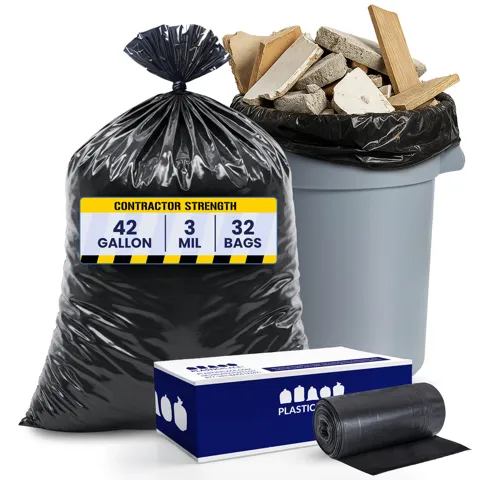 Plastic Place
Contractor bags, 42 gal, 3 mil
Offcuts, mud tubs and screws out of the room as you go; standard bags split on a drywall corner.
Check price
Not the tool you were after? Browse the whole range at Garvee, VEVOR or Plastic Place — the stores these picks come from.