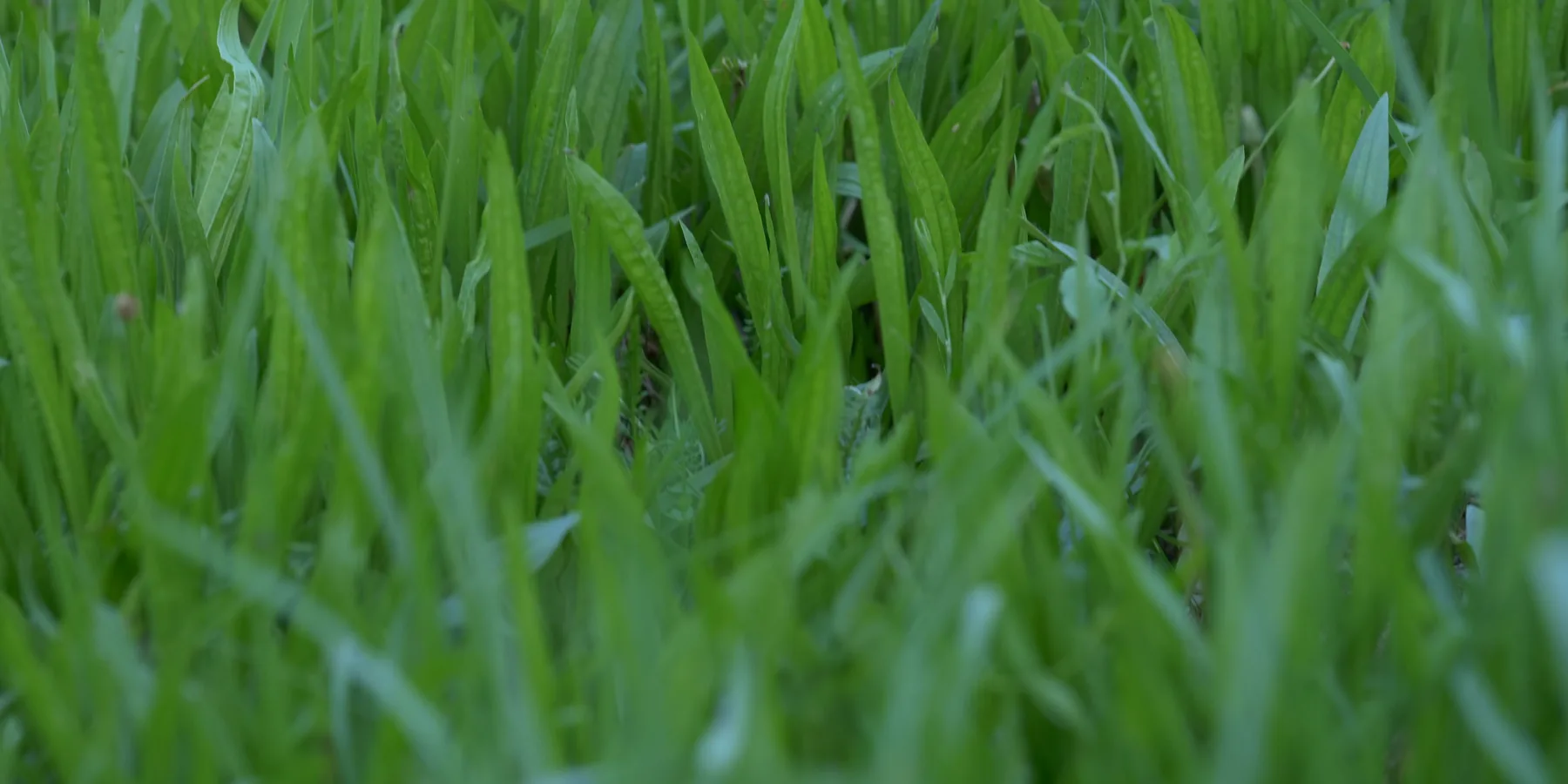
Reference
How long does grass seed take to germinate
The answer depends on the grass more than on anything you do: ryegrass is up inside a week, bluegrass takes up to three. Soil temperature and steady moisture decide where in that range your lawn lands.
How long does grass seed take to germinate? 3–7 days for perennial ryegrass, 6–12 days for tall fescue, 14–21 days for Kentucky bluegrass. Warm-season grasses take 10–20 days once soil reaches 65–70 °F.
Grass seed germination time by type
Days to the first green, the soil temperature each grass needs, and when to sow it. Seed only when the soil, not the air, is in range — a soil thermometer four inches down tells you.
Cool-season grasses (North, transition zone)
| Grass | Germinates in | Soil temperature | Best planting |
|---|---|---|---|
| Kentucky bluegrass | 14–21 days | 50–65 °F | late August to mid-September |
| Tall fescue | 6–12 days | 50–65 °F | late August to mid-September |
| Perennial ryegrass | 3–7 days | 50–65 °F | late August to mid-September |
| Fine fescue (creeping red, chewings) | 6–14 days | 50–65 °F | late August to mid-September |
| Sun and shade mix | 3–21 days | 50–65 °F | late August to mid-September |
Warm-season grasses (South)
| Grass | Germinates in | Soil temperature | Best planting |
|---|---|---|---|
| Bermuda (hulled) | 10–20 days | 65–70 °F | late spring to early summer |
| Zoysia | 10–14 days | 65–70 °F | late spring to early summer |
| Centipede | 10–20 days | 65–70 °F | late spring to early summer |
Mow for the first time by height, not by date: when the seedlings reach about 4 inches, cut them back to 3 with a sharp blade, on a day the soil is dry enough not to show footprints. Taking off no more than a third of the blade keeps the young roots growing.
When to plant grass seed
| Grass type | Best window | Second choice | Avoid |
|---|---|---|---|
| Cool-season (fescue, bluegrass, ryegrass) | Late August to mid-September, when soil is 50–65 °F and nights are cooling | Mid to late spring, with more weed pressure and less time to root before summer | Summer: heat and drought kill seedlings before they root |
| Warm-season (Bermuda, zoysia, centipede) | Late spring to early summer, after soil reaches 65 °F | Mid-summer, with daily watering | Fall: seedlings do not harden off before the first frost |
The dividing line runs roughly from Virginia through Kansas to northern California. North of it, lawns are cool-season grass; south of it, warm-season. Along the line itself — the transition zone — both are grown, and tall fescue and zoysia are the usual picks.
How deep to plant grass seed and how to water it
Seed sits ⅛ to ¼ inch deep — raked lightly into the surface, not buried. Deeper than that and small seed runs out of energy before it reaches light. Keep the top inch damp with two or three light waterings a day until the seedlings are up, then water less often and more deeply. How much seed to spread per 1,000 sq ft, and how much fertilizer goes down with it, is on the seed and fertilizer rates guide.
Why grass seed does not come up
- Soil too cold or too hot. Cool-season seed stalls below 50 °F; warm-season seed below 65 °F. Check the table, not the calendar.
- Dried out once. A seedling that dries after it has sprouted is dead. Miss one hot afternoon in week one and the thin patches are that afternoon.
- Buried. Topsoil or straw more than a quarter inch deep smothers it.
- Old seed or pre-emergent. Seed kept more than two or three years, or stored somewhere hot or damp, germinates poorly; a crabgrass preventer applied in the last four months stops lawn seed too.
The grass seed calculator turns the lawn size and the grass into pounds and bags.
Work out your seed →Seeding rates and days to germinate: University of Tennessee Extension W160-B, Turfgrass Establishment: Seeding (Samples and Sorochan); new-lawn rates are the top of its range for bluegrass, the fescues, ryegrass and Bermuda, and overseeding rates half of that (University of Nebraska–Lincoln Extension, Spring Lawn Overseeding: overseeding cuts the rate by up to 50%). Zoysia seeding rate: University of Arkansas MP476, Establishing Seeded Zoysiagrass (1–2 lb per 1,000 sq ft). Centipede seeding rate: NC State Extension, Centipedegrass Lawn Maintenance Calendar (¼–½ lb). Sun and shade mix: Scotts Turf Builder Rapid Grass Sun & Shade Mix label coverage. Soil temperatures, planting windows and first mowing: Penn State Extension, Lawn Establishment. Nitrogen rate and cool-season schedule: Purdue Extension turfgrass program, Fall Fertilization and AY-13. Warm-season schedules: NC State Extension Bermudagrass, Zoysiagrass and Centipedegrass Lawn Maintenance Calendars. Lime: UNH Extension, Lime; University of Maryland Extension, Lime and Lawns. Sod watering and rooting: sod-grower care guides (Sod Solutions, Super-Sod). Accessed 2026-10-16. Germination ranges are for soil in the stated temperature range and kept damp; cold or dry soil pushes every figure toward the top of the range or past it.
Grass seed questions
How long does grass seed take to grow?
Up in 3–7 days for ryegrass and 6–12 days for tall fescue; ready for a first mowing once it reaches about 4 inches, usually a few weeks later; a full, dense lawn takes a season.
How often to water new grass seed?
Two or three light waterings a day for the first two weeks, enough to keep the top inch damp, then once a day, then every other day as the lawn fills in.
Can I just throw grass seed on the ground?
Some will come up, most will not. Seed needs contact with loosened soil and steady moisture; rake it in and cover lightly.
Does grass seed germinate faster in fall or spring?
Fall for cool-season grasses: warm soil and cool air. Spring seed faces summer heat and weeds before it is established.
More in this series
The rest of the yard
These are the weights, coverages and rates every yard calculator on the site runs on. Each tool applies them to one material.
- Gravel Calculator Gravel, crushed stone, sand and road base by volume, tons and bags
- Mulch Calculator Cubic yards, bags or bales of mulch for every bed, topped up over the old layer
- Topsoil Calculator Cubic yards, tons and bags of topsoil, fill dirt or compost, with settling
- Sod Calculator Rolls or slabs of sod, pallets, pallet weight and what a trailer carries, with waste for cuts
- Grass Seed Calculator Pounds and bags of grass seed by grass type for a new lawn or overseeding, with starter fertilizer and straw
- Fertilizer Calculator Pounds and bags of lawn fertilizer from the nitrogen rate or the bag label, with the N, P and K actually applied
- Crushed Stone Sizes and Coverage What each stone grade is for, and what a ton and a yard cover
- Topsoil Weight and Coverage What a yard of soil weighs dry, moist and wet, and how far it spreads
- Mulch Coverage, Bags and Weight How far a yard and a bag of mulch spread, and what they weigh
- Gravel and Sand Weight per Yard What a cubic yard and a ton of gravel, sand and crushed stone weigh, how far a ton goes, and what a truck carries
- Sod Pallet Sizes and Weights Square feet and pieces on a pallet of sod, what a pallet, roll and slab weigh, what a truck can carry, and how long sod keeps
- Lawn Seed and Fertilizer Rates How often to fertilize, pounds of seed per 1,000 sq ft and per acre, fertilizer by NPK, how much lime, and when to overseed
- New Sod Watering and Rooting A week-by-week watering schedule for new sod, how long it takes to root, and when you can walk on, mow and feed it
Tools for the job
What makes this job easier
Tools and materials that suit this kind of job. These are affiliate links: if you buy through one, Renovimo may earn a commission at no extra cost to you. It never changes the figures on this page.
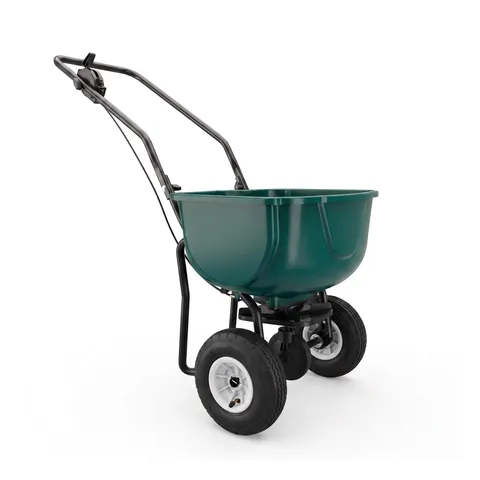 Garvee
Broadcast spreader, 70 lb
Spreads seed, fertilizer and lime evenly over new topsoil.
Check price
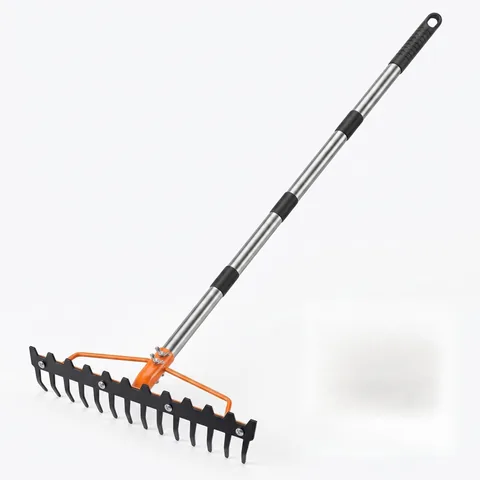 Garvee
Steel garden rake, 14 tines
Loosens the surface and rakes seed lightly in — a quarter inch, no deeper.
Check price
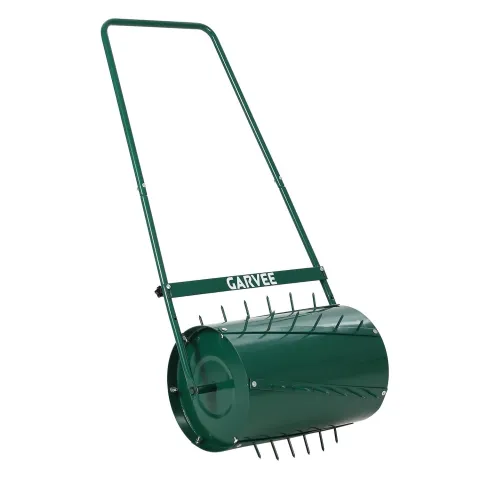 Garvee
Lawn roller and aerator
Firms new topsoil and seed so the surface does not sink unevenly.
Check price
 Garvee
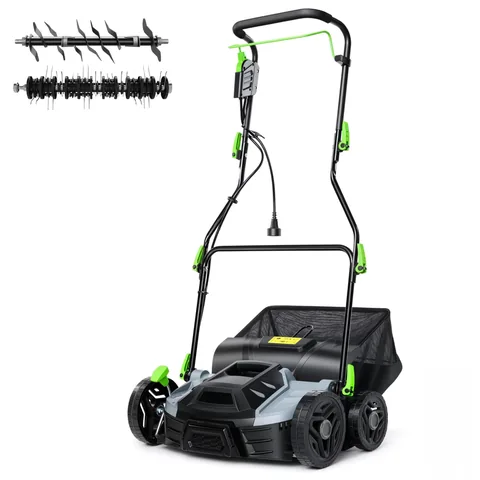
Electric dethatcher and scarifier
Clears the thatch from a tired lawn so overseed lands on soil, not on dead grass.
Check price
 Garvee
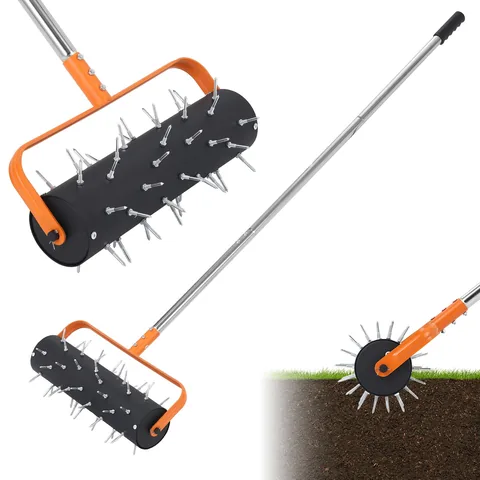
Rolling spike aerator, 18 in
Opens the soil before overseeding or feeding, so seed and fertilizer reach the roots.
Check price
 Garvee
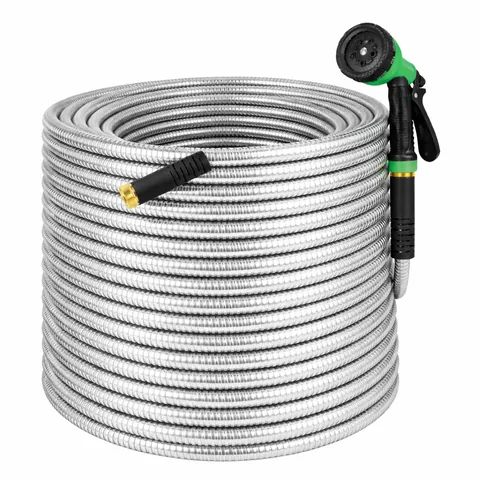
Stainless steel garden hose, 100 ft
Reaches the far corner of the lawn for the twice-a-day watering new sod and seed need.
Check price
Not the tool you were after? Browse the whole range at Garvee — the store these picks come from.