Reference
Batt vs blown-in insulation
Batts are pre-cut blankets you lay between framing; blown-in (loose-fill) is fiberglass or cellulose blown into place with a machine. Per inch they are close on the brand charts (generic loose fiberglass runs lower), so the choice is mostly about the space: an open wall or a clear joist bay suits a batt, a cluttered attic floor or a closed wall suits loose fill.
Which is better? For an unfinished attic floor, blown-in — it fills around wiring, bracing and odd joist spacing with no seams, and reaches R-49 or R-60 in one pass. For open walls and floors, batts. Per inch: fiberglass batts R-3.1, blown fiberglass R-2.9, blown cellulose R-3.5.
Batt vs blown-in insulation in an attic: depth and bags
Per 1,000 sq ft of attic floor. Blown-in bags are the manufacturer coverage charts (a 27.5 lb fiberglass bag, a 19 lb cellulose bag); cellulose is blown deeper and settles to about 90% of the installed depth. Batts assume joists 16 in apart: the first layer goes between the joists in 15 in packs, and above R-38 a second, unfaced layer crosses on top in 24 in attic packs. The R-values add.
| Target | Blown fiberglass | Blown cellulose (installed → settled) | Fiberglass batts |
|---|---|---|---|
| R-30 | 10.75 in · 15 bags | 9.6 → 8.6 in · 47 bags | 10 in (R-30) · 18 packs |
| R-38 | 13.5 in · 19 bags | 12 → 10.8 in · 62 bags | 12 in (R-38) · 24 packs |
| R-49 | 17 in · 25 bags | 15.2 → 13.7 in · 84 bags | 16.25 in (R-19 between joists + R-30 across) · 26 packs, both layers |
| R-60 | 20.5 in · 32 bags | 18.4 → 16.6 in · 109 bags | 20 in (R-30 between joists + R-30 across) · 31 packs, both layers |
Batt packs: 15 in batts cover 77.5 sq ft (R-19), 58.7 sq ft (R-30) and 42.7 sq ft (R-38) a pack; 24 in attic batts 80 sq ft (R-30). With joists 24 in apart the first layer uses the 24 in packs too. Blown-in bags are the charts' minimum counts — install to both the bag count and the depth.
R-value per inch: batts vs loose fill
| Insulation | Form | R per inch | Notes |
|---|---|---|---|
| Fiberglass batts and rolls | Batt | R-3.1 | Sold in 15 in and 23 in widths for 16 and 24 in framing. |
| Mineral wool batts | Batt | R-4.2 | Sold in 15.25 in and 23 in widths for 16 and 24 in framing. |
| Blown-in fiberglass (loose fill) | Blown-in | R-2.9 | From the Owens Corning AttiCat chart; generic loose fiberglass runs R-2.2–2.7. |
| Blown-in cellulose | Blown-in | R-3.5 | Generic range R-3.2–3.8 settled; settles 10–20%. |
The per-inch figures are the ones the insulation calculator uses. The full chart, foam boards and spray foam included, and the R-value your climate zone needs are in the R-value guide.
Where batts work and where blown-in works
| Type | Where and how it goes in (U.S. Department of Energy) |
|---|---|
| Batts and rolls | Unfinished walls (including foundation walls), floors and ceilings, fitted between studs, joists and beams |
| Blown-in (loose fill) | Enclosed existing wall cavities or open new wall cavities, unfinished attic floors and hard-to-reach places |
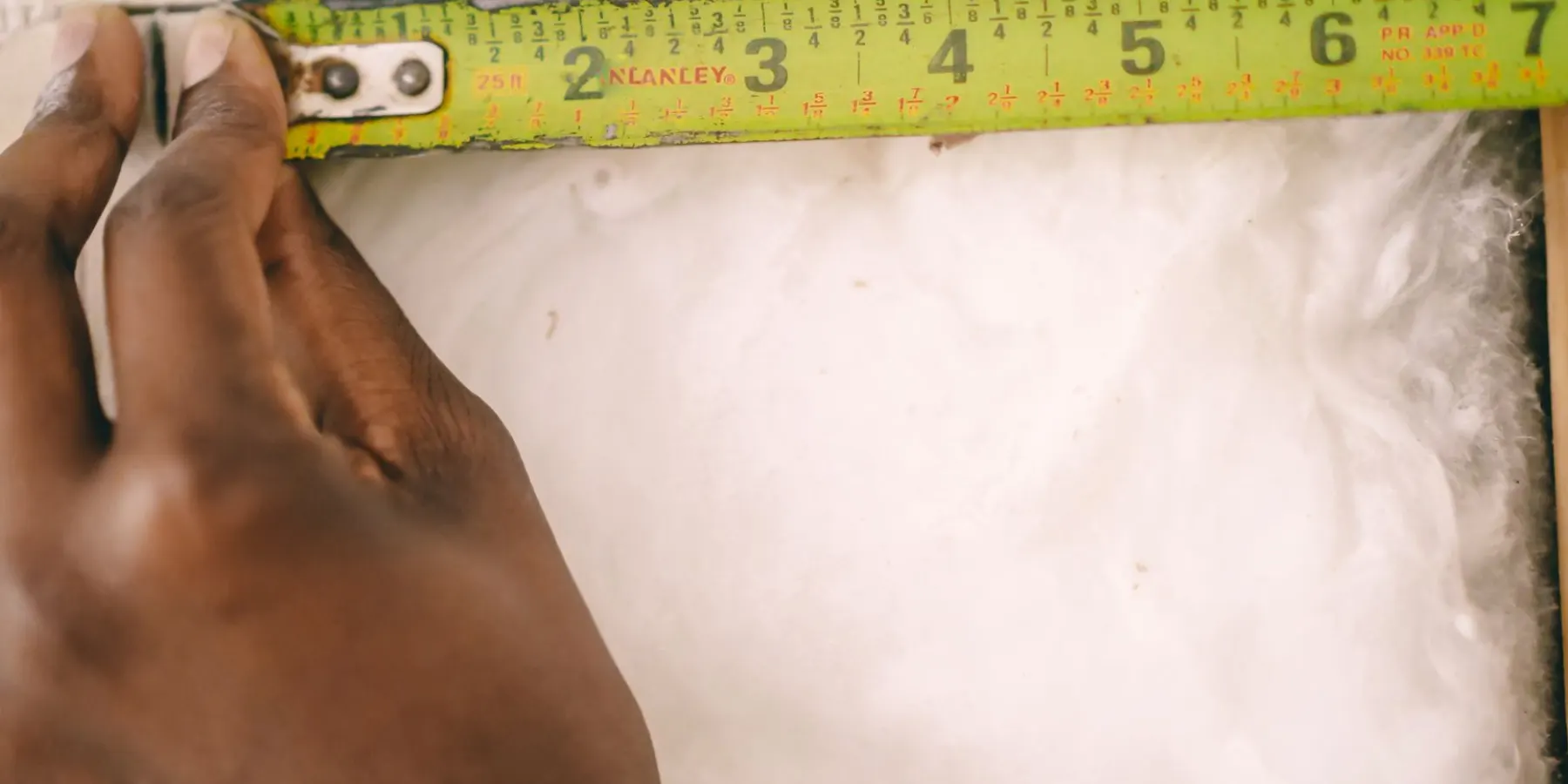
A batt only performs at its rated R-value when it fills the bay: cut around every wire and pipe, and don't squash it under boards. That is easy in an open stud wall and tedious across an attic full of wiring, which is where loose fill earns its keep — it flows around obstructions and leaves no seams. Batts laid over existing insulation, or as a second layer, must be unfaced (or have the facing slashed), and any kraft facing goes toward the heated side. Blown fiberglass settling is negligible; the chart depth is the finished depth; cellulose should be blown to the installed depth, because it settles to about 90% of it.
Whichever you choose, the DOE attic prep steps come first: seal the attic floor's air leaks; dam off or replace live knob-and-tube wiring; flag junction boxes; build dams taller than the finished depth around the hatch and every heat source — recessed lights, flues, chimneys, equipment — with the clearance your inspector requires; and fit eave baffles with at least a 1 in air gap. Mark the depth with a ruler every 300 sq ft when blowing. Pebbly gray-brown or gold granules are vermiculite, which may contain asbestos. Do not disturb it, vacuum it or blow new insulation over it until it has been tested — the EPA advises leaving it alone and calling a trained professional.
Count bags for your attic →Figures: Where and how each type is installed: U.S. Department of Energy, Energy Saver "Types of Insulation" table (blanket batts and rolls: unfinished walls, including foundation walls, floors and ceilings, fitted between studs, joists and beams; loose-fill: enclosed existing wall or open new wall cavities, unfinished attic floors and hard-to-reach places). Bags per 1,000 sq ft straight from the manufacturer charts: Owens Corning AttiCat (15, 19, 25 and 32 bags at R-30, 38, 49 and 60) and Greenfiber INS541LD attic card (46.1, 61.1, 83.5 and 108.1 bags minimum). Attic prep: DOE SCEP job aids 4-1 Prepare Attic Floor and 6-1 Insulate an Unfloored Attic (June 2024): knob-and-tube wiring, junction boxes flagged, dams around all heat sources, baffles with at least 1 in air gap, one depth ruler per 300 sq ft, install to both the bag count and the depth. R-values per inch, depths, batt sizes and cellulose settling: the site's insulation data (resources/data/insulation.json), sourced there from Owens Corning, Johns Manville, Greenfiber, NREL, PNNL and DOE. Accessed 2026-10-31.
Good to know
Batt vs blown-in questions
For an open attic floor, usually yes: it covers wiring and odd joist spacing without gaps and reaches R-49 or R-60 in one layer. In open walls and floors, batts are simpler and cleaner. Per inch they are close — R-3.1 for fiberglass batts, R-2.9 for blown fiberglass, R-3.5 for cellulose.
17 in of blown fiberglass, 15.2 in of cellulose (settling to 13.7 in), or 16.25 in of batts laid as R-19 between joists + R-30 across.
Yes, if the old layer is dry. Existing batts count toward the total — R-values add — so measure what is there and blow enough on top to reach your target. If you add batts instead, use unfaced ones.
Cellulose settles 10–20%, so it is blown deeper than its rated depth. Blown fiberglass settling is negligible.
At R-49, 25 bags of blown fiberglass (Owens Corning AttiCat) or 84 bags of cellulose (Greenfiber), the charts' minimums.
Tools for the job
What makes this job easier
Tools and materials that suit this kind of job. These are affiliate links: if you buy through one, Renovimo may earn a commission at no extra cost to you. It never changes the figures on this page.
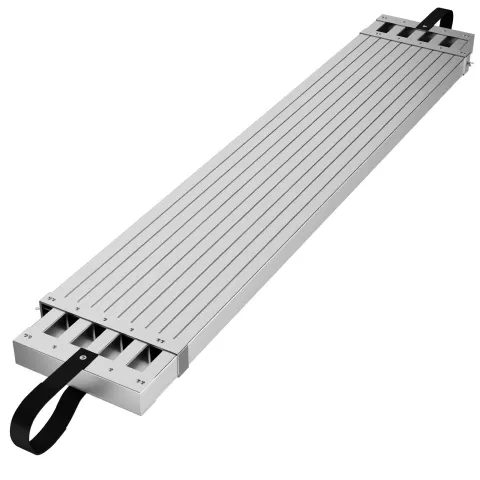 Garvee
Telescoping work platform
Lay it across the joists as a walk board — step between them and your foot goes through the ceiling.
Check price
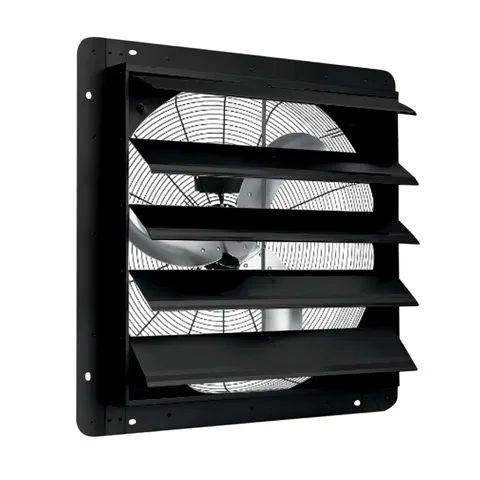 Garvee
Attic exhaust fan, 20 in
Moves hot, damp air out of the attic; insulation stays dry and works only when the attic is ventilated.
Check price
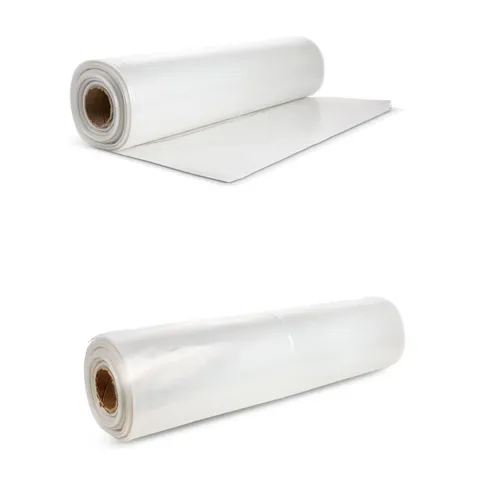 Plastic Place
Poly sheeting, 6 mil, 10 × 100 ft
A vapor retarder on the warm side of unfaced batts — cold climates only; check your local code first.
Check price
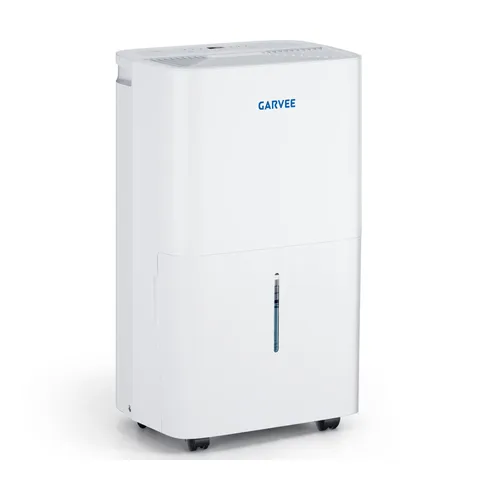 Garvee
Dehumidifier, 50 pint
Dries out a damp attic or crawl space before insulating; wet insulation loses its R-value.
Check price
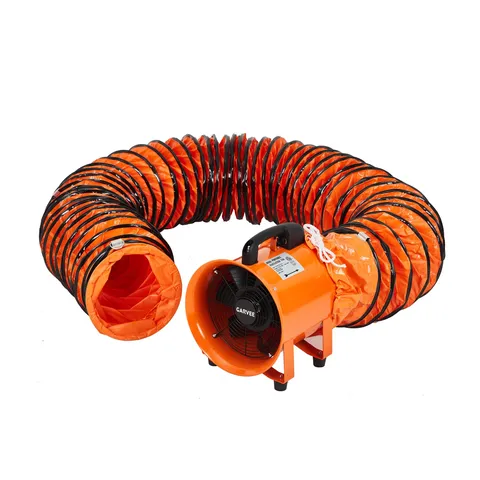 Garvee
Utility blower fan, 10 in
Pushes fresh air into the attic while you blow insulation; the dust hangs in still air.
Check price
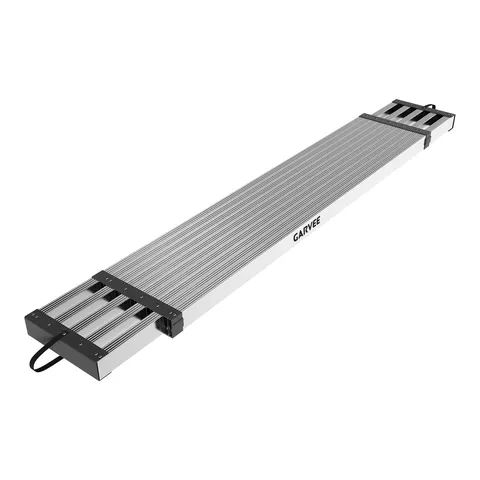 Garvee
Telescoping scaffold plank, 69–112 in
A second walk board to reach the far eaves without stepping off the joists.
Check price
Not the tool you were after? Browse the whole range at Garvee or Plastic Place — the stores these picks come from.