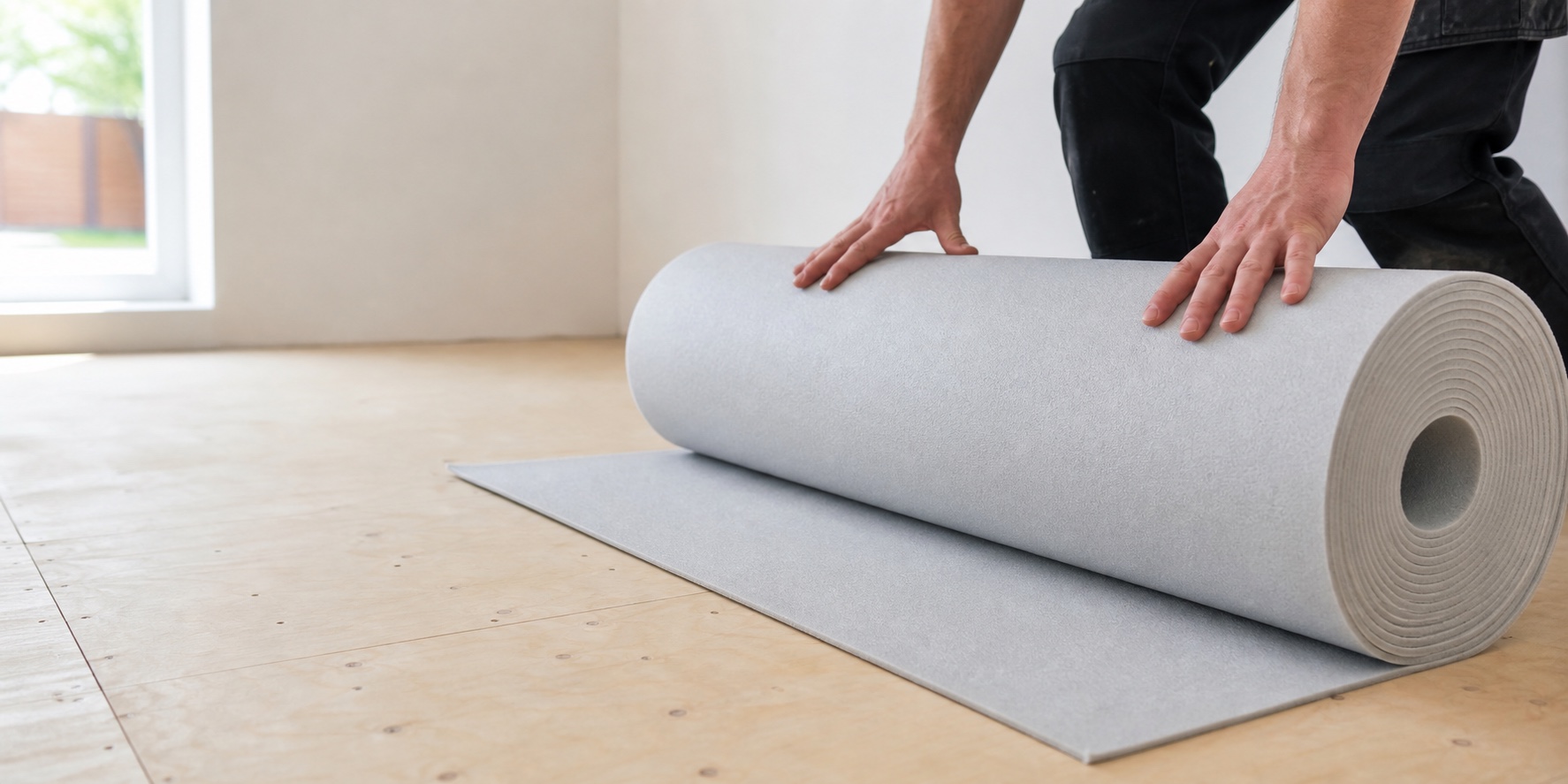
Flooring underlay calculator
Flooring underlay
calculator
Calculate full underlay rolls for up to five rooms using the actual roll width and length. See the strip layout and estimate cutting waste, taped seam length and joint tape rolls.
Enter measurements ↓Optional
What will it cost?
Every material the calculator worked out gets its own price. Each field starts at a typical US figure so you have something to work from — change any of them to what your own supplier charges.
These prices are approximate. They are national US retail figures, and what you actually pay varies with your region, your supplier, the season and how much you buy at once. Treat them as a starting point, not a quote — always price the job from your own supplier's current figures before you order.
Your prices
Same product, two names
Carpet underlay and carpet padding are the same thing
If you are shopping in the US, the aisle calls this carpet padding or carpet cushion. In the UK, Ireland, Australia and New Zealand the same roll is carpet underlay. It is one product, and this underlay calculator sizes it the same way whichever word your supplier uses.
Where the two markets genuinely differ is how it is specified. US padding is sold by density in pounds per cubic foot — 6 lb rebond is the common residential grade, 8 lb for stairs and heavy traffic — and by thickness in inches, with 7⁄16 in the usual maximum under a residential warranty. UK and Australian underlay is quoted in kilograms per cubic metre and millimetres: a 100 kg/m³ crumb rubber or PU foam at 8 to 11 mm covers the same job.
Roll widths differ too. US rebond comes in 6 ft wide rolls, British and Australian underlay in 1.37 m — near enough 4 ft 6 in. That changes the offcut, not the area, which is why the calculator asks for the roll width rather than assuming one.
Tools for the job
What makes this job easier
Tools and materials that suit this kind of job. These are affiliate links: if you buy through one, Renovimo may earn a commission at no extra cost to you. It never changes the figures on this page.
 Jeedeson
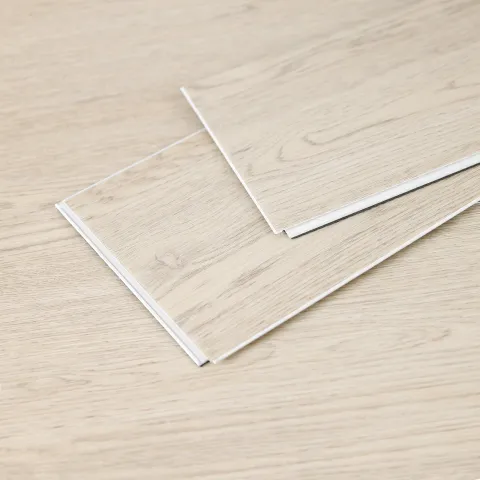
SPC click-lock plank
Rigid-core, waterproof vinyl plank for kitchens and basements.
Check price
Jeedeson
SPC click-lock plank
Rigid-core, waterproof vinyl plank for kitchens and basements.
Check price
 Jeedeson
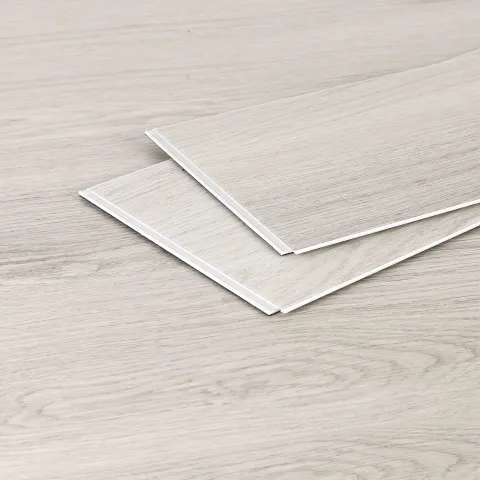
SPC wood-look plank, 6 mm
Luxury vinyl plank with a stone-plastic core.
Check price
Jeedeson
SPC wood-look plank, 6 mm
Luxury vinyl plank with a stone-plastic core.
Check price
 Jeedeson
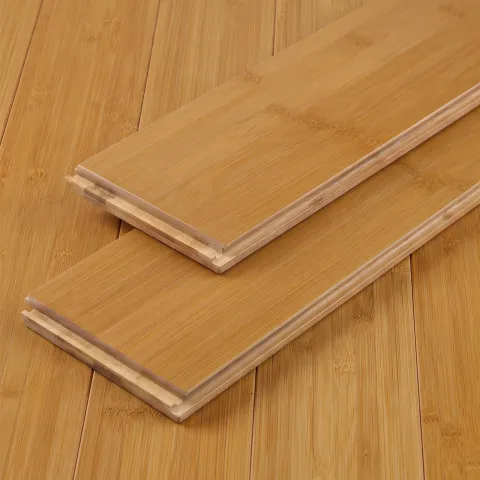
Click-lock bamboo flooring
Floating, no glue — 20 sq ft per box.
Check price
Jeedeson
Click-lock bamboo flooring
Floating, no glue — 20 sq ft per box.
Check price
 Jeedeson
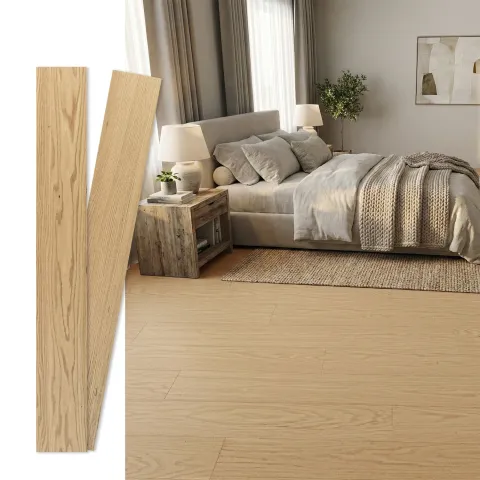
Engineered hardwood flooring
Real wood wear layer on a stable core, 6.5 in wide.
Check price
Jeedeson
Engineered hardwood flooring
Real wood wear layer on a stable core, 6.5 in wide.
Check price
 Jeedeson
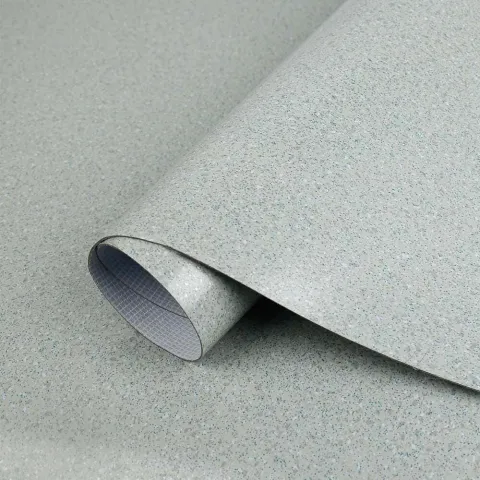
Sheet vinyl roll
One-piece waterproof floor for small rooms, 3.3 × 16.4 ft.
Check price
Jeedeson
Sheet vinyl roll
One-piece waterproof floor for small rooms, 3.3 × 16.4 ft.
Check price
 Garvee
Dehumidifier, 50 pint
Pulls the water out of a room so slabs, mud and new floors dry on schedule.
Check price
Garvee
Dehumidifier, 50 pint
Pulls the water out of a room so slabs, mud and new floors dry on schedule.
Check price
Not the tool you were after? Browse the whole range at Jeedeson or Garvee — the stores these picks come from.
Simple shopping list
What you'll need
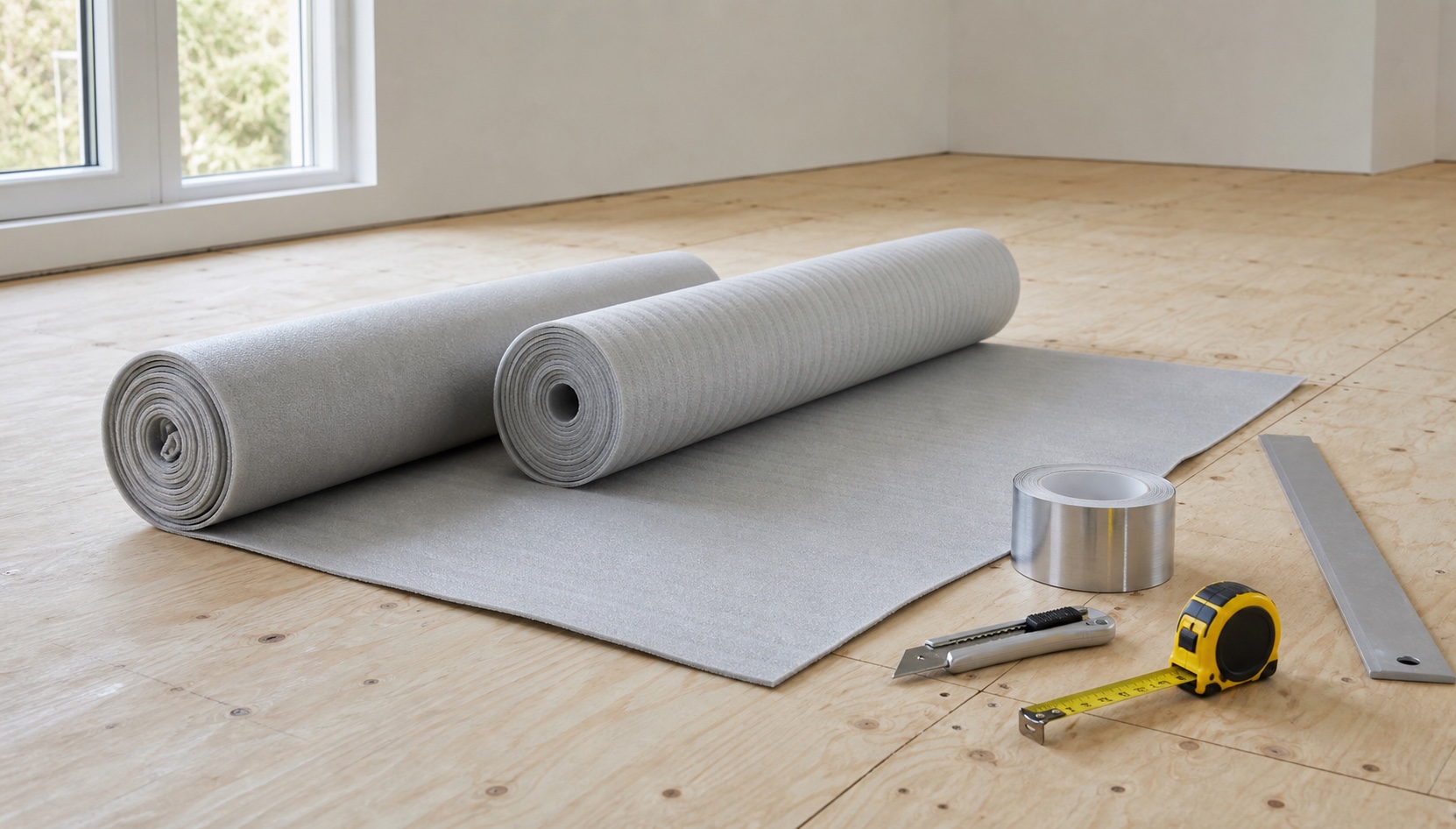
Buy complete rolls and tape every adjoining strip. The allowance covers trimming around walls, thresholds and awkward corners.
- Underlay rolls
Amazon
Selected roll size
- Calculate above
- Joint tape
Amazon
For strip seams
- Calculate above
- Utility knife
Amazon
For clean perimeter cuts
- 1 tool
As an Amazon Associate I earn from qualifying purchases.
The maths
How much underlay do I need?
Room area plus 5–15% waste, divided by the coverage of one roll and rounded up to whole rolls.
How we work out your underlay
Underlay is installed in full strips, so area alone can underestimate the order. We divide each room width by the selected roll width, round up to whole strips, then total the strip lengths and add your waste allowance before dividing by the roll length.
strips = ⌈ room width ÷ roll width ⌉
rolls = ⌈ strip length × waste ÷ roll length ⌉
joint tape = (strips − 1) × room length + 5%
- 5%
- tidy square rooms
- 10%
- recommended waste
- 15%
- awkward layouts
- +5%
- joint tape allowance
- 1–5
- rooms per calculation
- ft ↔ m
- converted automatically
- 01
Measure every room
Enter the full floor length and width for each room that will use the same underlay product.
- 02
Choose the roll size
Use the width and length printed on the product so the strip layout matches what you can actually buy.
- 03
Split the floor into strips
Each room width is divided by the roll width and rounded up because a partial final strip still consumes material.
- 04
Allow for cuts
The selected 5–15% allowance covers thresholds, damaged edges, alcoves and trimming along walls.
- 05
Round up to complete rolls
The required strip length is divided by the roll length and rounded up to a practical shopping quantity.
Good to know
Underlay questions, answered
Enough to cover the whole floor once: room area plus a 5–15% allowance for cuts, divided by the coverage printed on the roll and rounded up to whole rolls. Ten percent is a practical default. Skip it if the planks have a pad attached, and never stack a second layer under click-lock laminate.
Most floating laminate and engineered floors do. Some vinyl products have underlay attached, so check the flooring instructions before adding another layer. Glue-down flooring normally does not use a loose underlay.
Ten percent is a practical default. Five percent can work in simple rectangular rooms, while narrow halls, alcoves, columns and several doorways make fifteen percent safer.
Yes, adjoining strips are normally joined with the tape specified by the underlay manufacturer. This stops the strips moving during installation and can maintain the vapour-control layer.
Usually no. Most underlays are laid edge to edge and taped, while products with an integrated flap follow their own overlap instructions. Always use the detail printed on the roll.
Follow the flooring manufacturer. A common approach is to run the underlay perpendicular to the floorboards, but product instructions and integrated seams take priority.
Do not double the underlay unless the flooring manufacturer explicitly permits it. Too much movement under click joints can damage them and may invalidate the warranty.
Include them in the room dimensions when they will be covered. For a separate closet or irregular section, add it as another small room so its strip requirement is not missed.
Underlay is sold in complete rolls and laid in full-width strips. The final strip and final roll can both leave an offcut, so a strip-based order is more realistic than area divided by roll coverage.
More in this series
The rest of the floor
A room is rarely one material and nothing else. The measurements you have entered here carry straight across to the floor next door, and to the pad under both.
- Flooring Calculator Laminate, vinyl plank, engineered wood and parquet
- Stair Carpet Calculator Stair runner length or wall-to-wall carpet, pad, tack strip and staples for a flight and its landings
- Laminate Flooring Calculator Laminate planks, boxes, underlayment, transition strips and quarter round
- Vinyl Plank Flooring Calculator LVP planks, boxes, adhesive, underlayment and transition strips
- Hardwood Flooring Calculator Hardwood boards, cleats or staples, rosin paper and transition strips
- Carpet Calculator Broadloom carpet, pad, tack strip, seam tape and transition bars
- Flooring Square Footage and Waste Measuring a room, what to subtract, and turning square feet into boxes
- Carpet Pad Thickness and Density Thickness, density and what each one is actually for
- Laminate Flooring Thickness 6 to 12 mm in inches, what thickness changes, AC ratings and underlayment