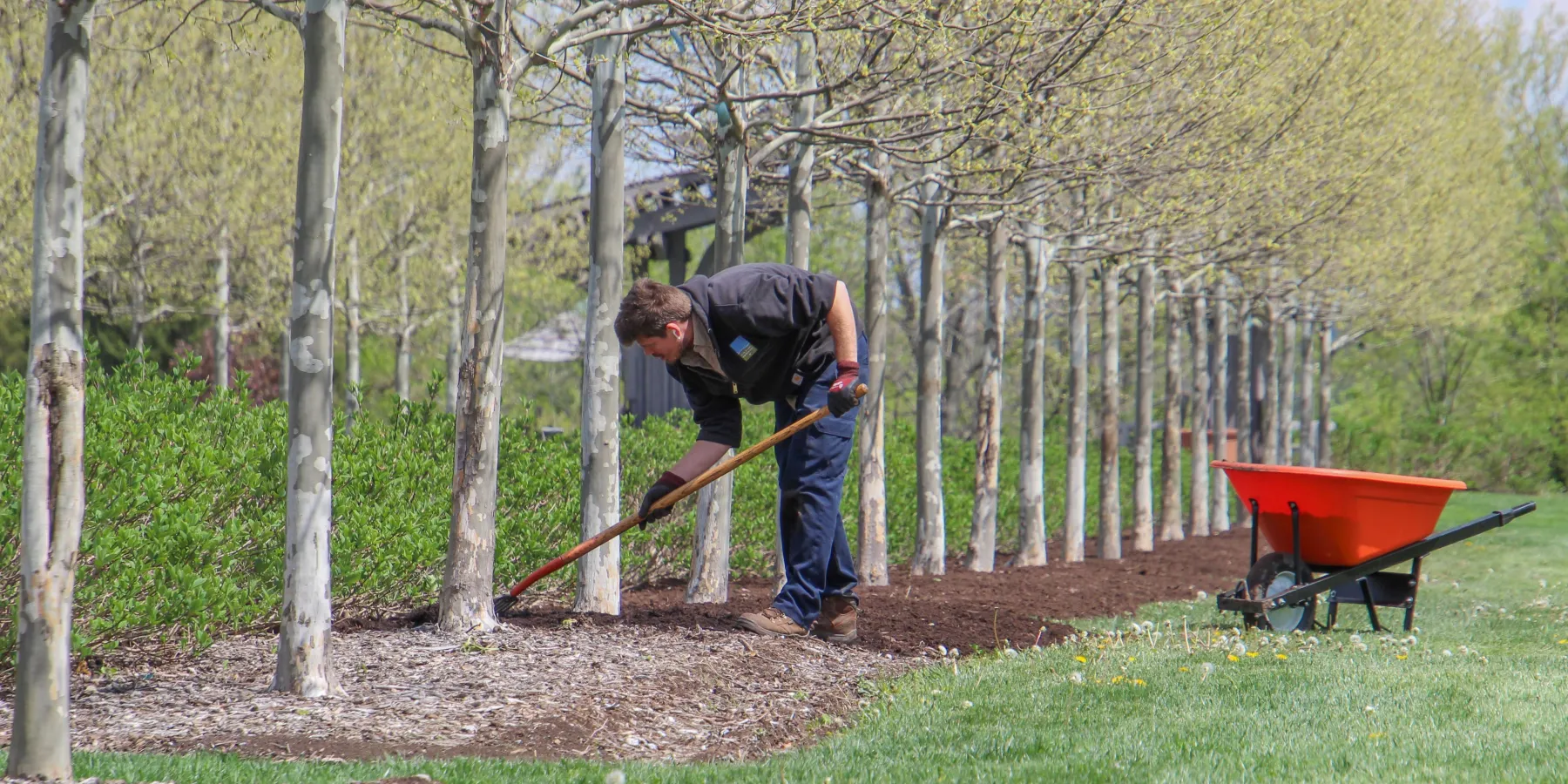
Mulch calculator
Mulch calculator
How much mulch a bed takes depends on how deep it should end up and how much is still there from last year. Enter the bed and the layer that is staying, and get the yards, the bags or the bales — only for the depth you are actually missing.
Enter your bedOptional
What will it cost?
Every material the calculator worked out gets its own price. Each field starts at a typical US figure so you have something to work from — change any of them to what your own supplier charges.
These prices are approximate. They are national US retail figures, and what you actually pay varies with your region, your supplier, the season and how much you buy at once. Treat them as a starting point, not a quote — always price the job from your own supplier's current figures before you order.
Your prices
More in this series
The rest of the yard
A bed is rarely one material: stone under the path, soil to fill, mulch on top. Each has its own calculator, built for how that material is sold.
- Gravel Calculator Gravel, crushed stone, sand and road base by volume, tons and bags
- Topsoil Calculator Cubic yards, tons and bags of topsoil, fill dirt or compost, with settling
- Crushed Stone Sizes and Coverage What each stone grade is for, and what a ton and a yard cover
- Topsoil Weight and Coverage What a yard of soil weighs dry, moist and wet, and how far it spreads
- Mulch Coverage, Bags and Weight How far a yard and a bag of mulch spread, and what they weigh
Tools for the job
What makes this job easier
Tools and materials that suit this kind of job. These are affiliate links: if you buy through one, Renovimo may earn a commission at no extra cost to you. It never changes the figures on this page.
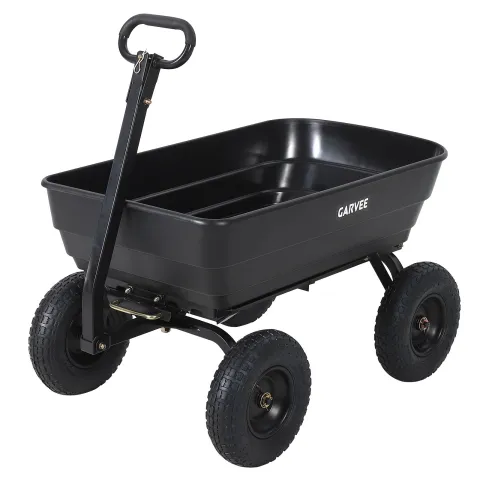 Garvee
Dump cart, 1200 lb
Tips a whole load of gravel, mulch or debris where you want it.
Check price at Garvee
Garvee
Dump cart, 1200 lb
Tips a whole load of gravel, mulch or debris where you want it.
Check price at Garvee
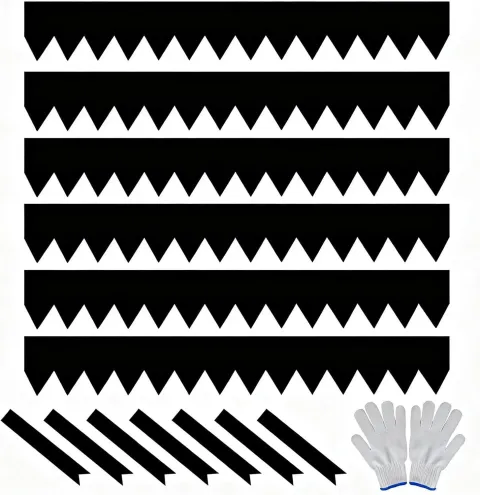 Garvee
Steel landscape edging
Keeps gravel, mulch and pavers from creeping into the lawn.
Check price at Garvee
Garvee
Steel landscape edging
Keeps gravel, mulch and pavers from creeping into the lawn.
Check price at Garvee
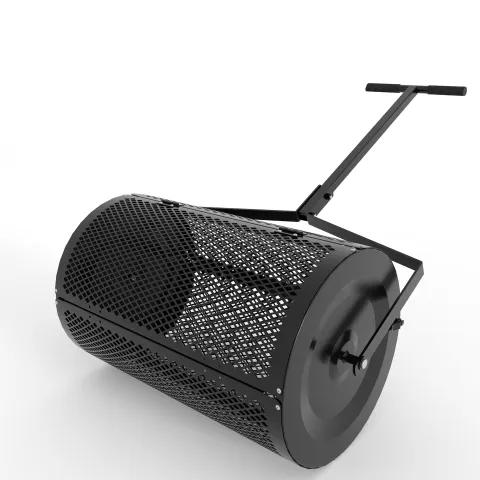 Garvee
Lawn spreader, 24 in
Spreads fine gravel, sand, compost and seed evenly.
Check price at Garvee
Garvee
Lawn spreader, 24 in
Spreads fine gravel, sand, compost and seed evenly.
Check price at Garvee
 Garvee
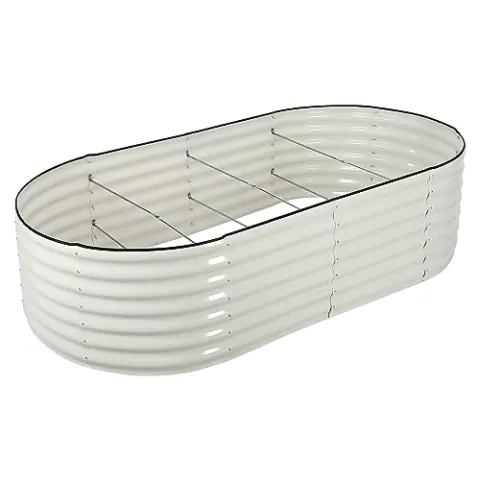
Raised garden bed, 8 × 4 ft
A 2 ft deep steel bed — fill it with the topsoil you just worked out.
Check price at Garvee
Garvee
Raised garden bed, 8 × 4 ft
A 2 ft deep steel bed — fill it with the topsoil you just worked out.
Check price at Garvee
Based on your result
What you'll need
Weed the bed and water it before the mulch goes down — mulch keeps moisture in, including the moisture that was never there.
- Mulch
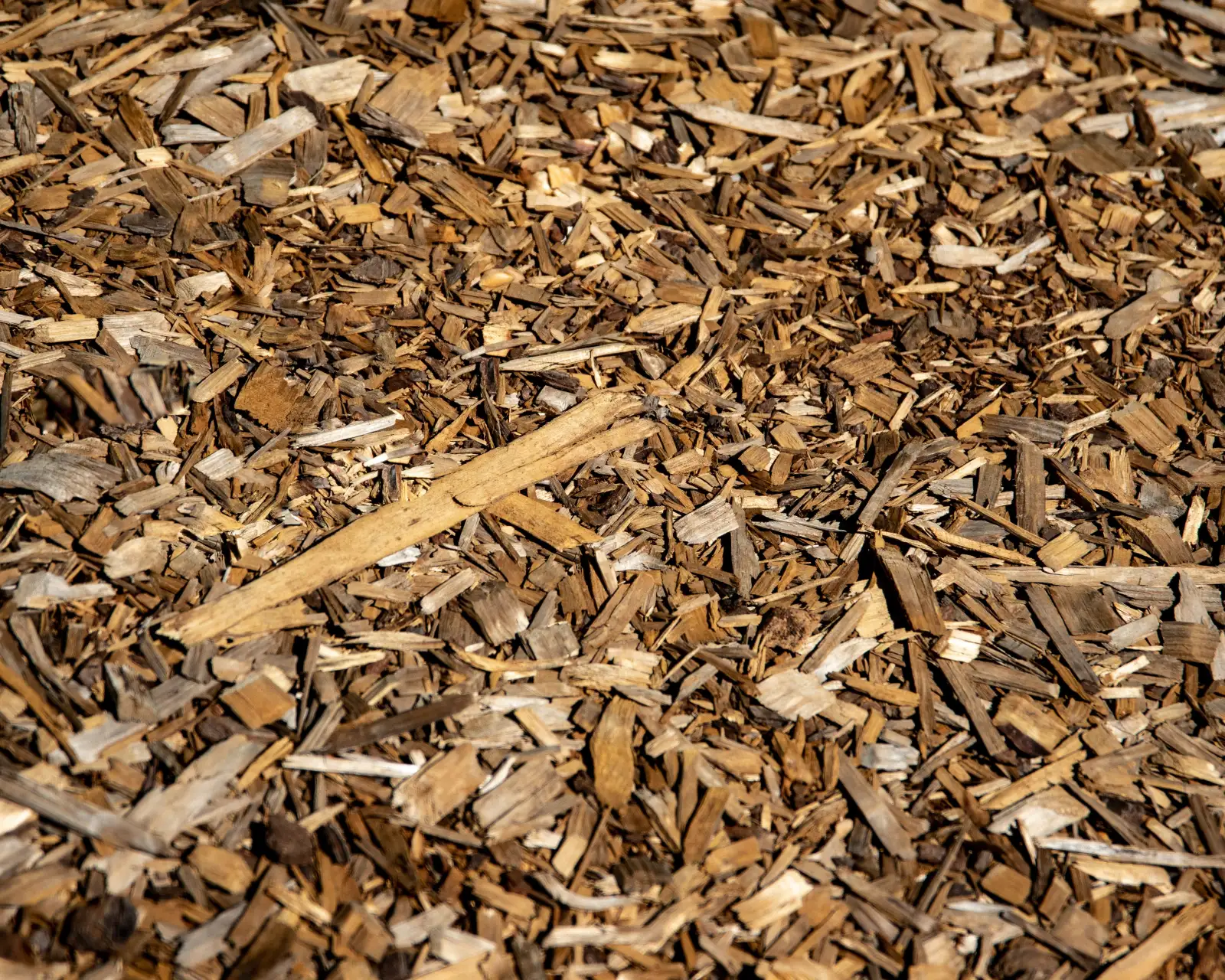
- Bags, bales or a bulk load for the depth you are adding
- Calculate above
- Landscape fabric
- Optional, under new beds only — never over the roots of existing plants
- —
- Edging
- Keeps mulch out of the lawn and off the path
- —
- Garden rake
- Spreads the layer level and pulls it back from stems
- 1
- Wheelbarrow
- Anything past a few bags, or a bulk delivery
- 1
Worked example
How much mulch do I need?
Take the bed the calculator opens with: 10 by 5 feet, so 50 square feet, to be covered 3 inches deep. Three inches is a quarter of a foot, so the bed takes 50 × 0.25 = 12.5 cubic feet — 0.46 of a cubic yard, or seven 2 cu ft bags before any waste.
Now say an inch of last year's mulch is still there. The bed needs 2 inches, not 3: 50 × 2 ÷ 12 = 8.3 cubic feet, which is five bags instead of seven. That gap — ordering the full depth over a layer that is staying — is the most common way to overbuy mulch, and it is why the calculator asks.
Coverage by depth, bags per yard and what a bag weighs are set out in mulch coverage and weight.
Mulch calculator for Home Depot and Lowe's bag sizes
Bagged mulch is sold by volume, and the volume printed on the bag is what decides how many you need. These are the sizes that sit on the shelf at the big-box stores, with the number of bags that fills one cubic yard.
| Bagged mulch | Bag volume | Bags per cubic yard | Covers at 3 in |
|---|---|---|---|
| Bark or hardwood mulch, standard bag | 2 cu ft | 14 bags | 8 sq ft |
| Bark or hardwood mulch, large bag | 3 cu ft | 9 bags | 12 sq ft |
| Rubber mulch | 0.8 cu ft | 34 bags | 3.2 sq ft |
Set the bag size in the calculator to match the product you are buying and the bag count updates with it. Past about three cubic yards — some 40 standard bags — the calculator switches to a bulk load, because that is where delivery usually becomes the cheaper way to buy it.
The maths
How this mulch calculator works
The bed is measured by its shape. The depth ordered is the finished depth less the layer already there, never less than nothing. Area times that depth is the volume; the waste allowance covers what spills and what the rake pushes past the edge.
depth to add = finished − existing, min 0
cu ft = area × depth in ÷ 12 × waste
cu yd = cu ft ÷ 27
bags = ⌈ cu ft ÷ bag size ⌉
pine straw bales = ⌈ area ÷ 40 × depth ÷ 3 ⌉
- 01
Measure the bed
Length and width for a rectangle, diameter for a tree ring, base and height for a corner bed. For several beds, work each one out and add the bags.
- 02
Subtract what is staying
Mulch breaks down and thins, so beds are topped up rather than redone. Only the missing depth is ordered.
- 03
Convert to bags or yards
Bags are rounded up to whole bags. Over three cubic yards the answer is given as a bulk load.
- 04
Pine straw is counted in bales
It is sold by the bale and spread by coverage — about 40 square feet a bale at 3 inches.
Good to know
Mulch questions, answered
A cubic yard is 27 cubic feet, so it takes 13½ standard 2 cu ft bags or 9 large 3 cu ft bags. Rubber mulch comes in smaller 0.8 cu ft bags, about 34 to the yard.
About 2 to 3 inches in planting beds and 3 to 4 inches on paths. Deeper than that starves roots of air. Rubber mulch under play equipment goes much deeper — around 6 inches — because there it is a safety surface, not a garden layer.
Usually not. Rake it loose, pull it back from stems and trunks, and top it up to the depth you want. Remove it only if it has matted into a crust water cannot get through, or if the bed is already too deep.
A dry 2 cu ft bag of bark mulch weighs about 25 lb and shredded hardwood about 30 lb. A bag left out in the rain can weigh far more — wet mulch is heavy.
Work out the area under and around the equipment and set the depth to about 6 inches. At that depth one 0.8 cu ft bag covers only 1.6 square feet, so playgrounds take a lot of bags.