Reference
Insulation R-value chart: R-value per inch and how thick R-30, R-38 and R-49 are
R-value is resistance to heat flow, and it adds up by the inch. The same R-38 is about 13.5 inches of blown fiberglass, 12 of cellulose or 6 of closed-cell foam — so the question is always two questions: what R do you need, and how many inches of what gets you there.
How thick is R-30, R-38 and R-49? About 10.75, 13.5 and 17 inches of blown fiberglass; 9.6, 12 and 15.2 inches of cellulose. Most US attics need R-38 to R-60.
Insulation R-value chart: R-value per inch by insulation type
| Insulation | R per inch | Form |
|---|---|---|
| Blown-in fiberglass (loose fill) | R-2.9 per inch brand chart; loose fill runs R-2.2–2.7 | Blown |
| Blown-in cellulose | R-3.5 per inch brand chart; loose fill runs R-3.2–3.8 | Blown |
| Fiberglass batts and rolls | R-3.1 per inch | Batt |
| Mineral wool batts | R-4.2 per inch | Batt |
| Open-cell spray foam | R-3.6 per inch | Spray |
| Closed-cell spray foam | R-6.5 per inch | Spray |
| Rigid foam, EPS | R-3.8 per inch | Rigid |
| Rigid foam, XPS | R-5 per inch | Rigid |
| Rigid foam, polyiso | R-6 per inch | Rigid |
How thick is R-13, R-19, R-21, R-30, R-38, R-49 and R-60
Inches of each material for a given R. Blown-in rows are the depths printed on the manufacturer's coverage chart — cellulose as blown, before it settles about 10%; batt rows are the product thickness where that R is made, and two layers where no single batt reaches it. Everything else is R ÷ R-per-inch.
| Insulation | R-13 | R-19 | R-21 | R-30 | R-38 | R-49 | R-60 |
|---|---|---|---|---|---|---|---|
| Blown-in fiberglass (loose fill) | 4.5 in | 7 in | 7.2 in | 10.75 in | 13.5 in | 17 in | 20.5 in |
| Blown-in cellulose | 4.3 in | 6.2 in | 6.0 in | 9.6 in | 12 in | 15.2 in | 18.4 in |
| Fiberglass batts and rolls | 3.5 in | 6.25 in | 5.5 in | 10 in | 12 in | 2 layers | 2 layers |
| Mineral wool batts | 3.1 in | 4.5 in | 5.0 in | 7.25 in | 2 layers | 2 layers | 2 layers |
| Open-cell spray foam | 3.6 in | 5.3 in | 5.8 in | 8.3 in | 10.6 in | 13.6 in | 16.7 in |
| Closed-cell spray foam | 2.0 in | 2.9 in | 3.2 in | 4.6 in | 5.8 in | 7.5 in | 9.2 in |
| Rigid foam, EPS | 3.4 in | 5.0 in | 5.5 in | 7.9 in | 10.0 in | 12.9 in | 15.8 in |
| Rigid foam, XPS | 2.6 in | 3.8 in | 4.2 in | 6.0 in | 7.6 in | 9.8 in | 12.0 in |
| Rigid foam, polyiso | 2.2 in | 3.2 in | 3.5 in | 5.0 in | 6.3 in | 8.2 in | 10.0 in |
Recommended R-value by climate zone
Zone 1 is south Florida and Hawaii; 2 the Gulf Coast and Arizona; 3 the South and coastal California; 4 the mid-Atlantic and Pacific Northwest; 5 the lower Midwest and Northeast; 6 the upper Midwest and northern New England; 7 northern Minnesota and the Rockies. Figures are the 2021 code for new homes. From zone 4 north a wall needs R-20 in the cavity plus R-5 of foam board over the studs (or R-13 plus R-10), which means 2×6 framing; a 2×4 wall tops out at R-15. When topping up an attic that already has 3–4 inches, ENERGY STAR sets the bar one step lower — R-38 in zones 2–4, R-49 in 5–7.
| Zone | Attic | Walls | Floors |
|---|---|---|---|
| Zone 1 | R-30 | R-13 | R-13 |
| Zone 2 | R-49 | R-13 | R-13 |
| Zone 3 | R-49 | R-20 | R-19 |
| Zone 4 | R-60 | R-20 + R-5 board | R-19 |
| Zone 5 | R-60 | R-20 + R-5 board | R-30 |
| Zone 6 | R-60 | R-20 + R-5 board | R-30 |
| Zone 7 | R-60 | R-20 + R-5 board | R-38 |
Batt and roll sizes and how much a bag of blown-in covers
| Blown-in | One bag at R-30 | One bag at R-38 | One bag at R-49 | One bag at R-60 |
|---|---|---|---|---|
| Blown-in fiberglass (loose fill) (27.5 lb bag) | 66.7 sq ft | 52.6 sq ft | 40 sq ft | 31.3 sq ft |
| Blown-in cellulose (19 lb bag) | 21.7 sq ft | 16.4 sq ft | 12 sq ft | 9.3 sq ft |
| Batts | Widths | R-values | Sq ft per package |
|---|---|---|---|
| Fiberglass batts and rolls | 15 and 23 in (16 and 24 in framing) | R-11, R-13, R-15, R-19, R-21, R-25, R-30, R-38 | R-13: 106.56 · R-19: 77.5 · R-21: 67.81 · R-30: 58.67 · R-38: 42.67 |
| Mineral wool batts | 15.25 and 23 in (16 and 24 in framing) | R-15, R-23, R-30 | R-15: 59.7 · R-23: 39.8 · R-30: 29.9 |
How to measure what you have
Push a ruler through the attic insulation to the drywall and read the depth, then multiply by the R per inch for what you see: pink or yellow fluff is fiberglass, gray newsprint-looking material is cellulose, batts have a paper or foil face. Cellulose settles 10–20% in its first years, so an old layer reads at its settled depth and a new one is blown deeper than the chart's settled figure. Loose fiberglass from different brands runs R-2.2–2.7 per inch, so the same R can need a few more inches — follow the chart on your own bag. Subtract what you have from what your zone needs; the difference is what to add on top. The attic insulation calculator turns that into bags or batts.
Work out your insulation →Recommended R-values by climate zone: IRC 2021 Table N1102.1.3 and U.S. Department of Energy / ENERGY STAR, Recommended Home Insulation R-Values. Blown fiberglass: Owens Corning AttiCat coverage chart (27.5 lb bag, open attic: 15, 19, 25 and 32 bags per 1,000 sq ft at R-30, 38, 49 and 60). Cellulose: Greenfiber INS541LD coverage chart (19 lb bag) for bags and installed depth; settled depth at 90% of installed, the ratio on Greenfiber's own INS515LD card (11.60 in installed → 10.44 in settled at R-38). Batts: Owens Corning EcoTouch and Johns Manville fiberglass batt data (R-13 at 3½ in, R-19 at 6¼ in, R-21 at 5½ in, R-30 at 10 in, R-38 at 12 in); Rockwool Comfortbatt data. Spray foam and rigid foam: U.S. Department of Energy insulation materials guide and manufacturer data. Generic loose-fill ranges (fiberglass R-2.2–2.7 per inch, cellulose R-3.2–3.8 settled) and cellulose settling of 10–20%: NREL insulation fact sheet and PNNL Building America Solution Center; existing layers are read at the middle of those ranges (rock wool loose fill R-2.2–3.3, DOE). Wall requirements: IRC 2021 Table N1102.1.3 via PNNL BASC. Vermiculite: U.S. EPA, Protect Your Family from Asbestos-Contaminated Vermiculite Insulation. Batt lengths: Owens Corning EcoTouch (93 in wall, 48 in attic) and Rockwool Comfortbatt (47 in); 24 in batts: Owens Corning R-30 W67A 80 sq ft, R-38 W65A 64 sq ft per bag. Attic prep — air sealing first, dams taller than the finished depth around the hatch and flues, baffles with a 1 in air gap, one depth ruler per 300 sq ft: U.S. Department of Energy attic floor preparation job aid. Accessed 2026-10-17. Coverage per bag varies by brand and the installed density; the chart printed on the bag is the one to follow.
R-value questions
How thick is R-38 insulation?
About 13.5 in of blown fiberglass, 12 in of cellulose, or a 12 in fiberglass batt.
What R-value do I need in my attic?
R-30 in south Florida, R-49 across the South and R-60 from zone 4 north under the 2021 code. Topping up an attic that already has 3–4 inches, ENERGY STAR accepts one step lower: R-25 to R-30 in zone 1, R-38 in zones 2–4 and R-49 in zones 5–7.
What is the R-value of closed-cell spray foam?
About R-6.5 per inch — the highest of common insulations; open-cell is about R-3.6.
Can I add new insulation over old?
Yes, as long as the old is dry. Lay unfaced batts or blow loose fill on top; the R-values add.
Tools for the job
What makes this job easier
Tools and materials that suit this kind of job. These are affiliate links: if you buy through one, Renovimo may earn a commission at no extra cost to you. It never changes the figures on this page.
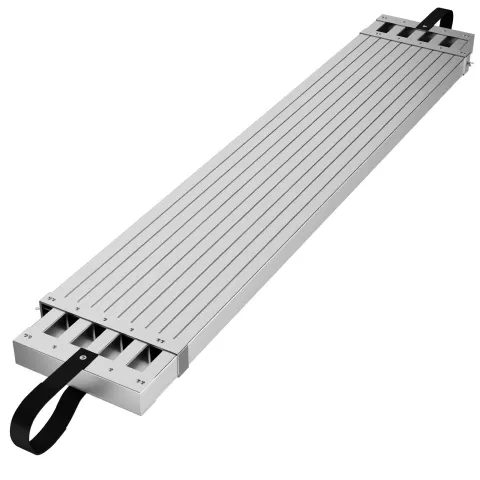 Garvee
Telescoping work platform
Lay it across the joists as a walk board — step between them and your foot goes through the ceiling.
Check price
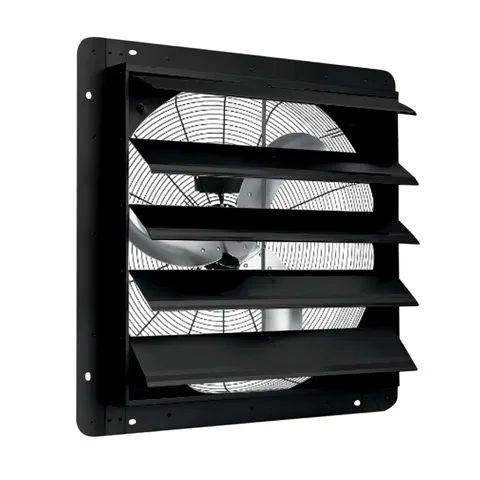 Garvee
Attic exhaust fan, 20 in
Moves hot, damp air out of the attic; insulation stays dry and works only when the attic is ventilated.
Check price
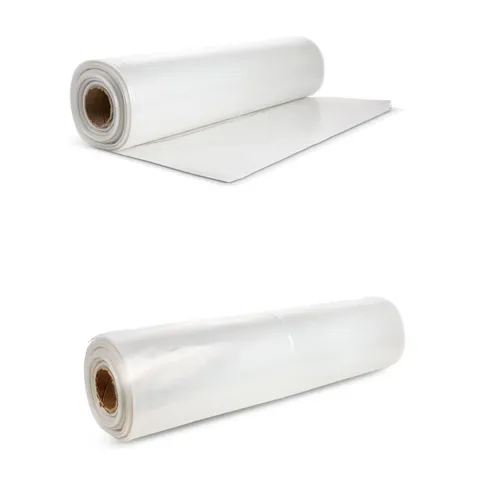 Plastic Place
Poly sheeting, 6 mil, 10 × 100 ft
A vapor retarder on the warm side of unfaced batts — cold climates only; check your local code first.
Check price
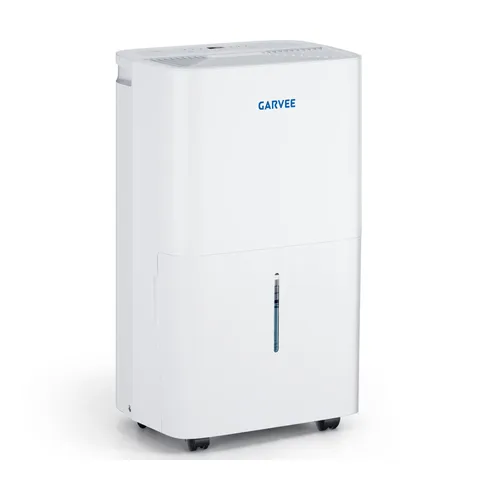 Garvee
Dehumidifier, 50 pint
Dries out a damp attic or crawl space before insulating; wet insulation loses its R-value.
Check price
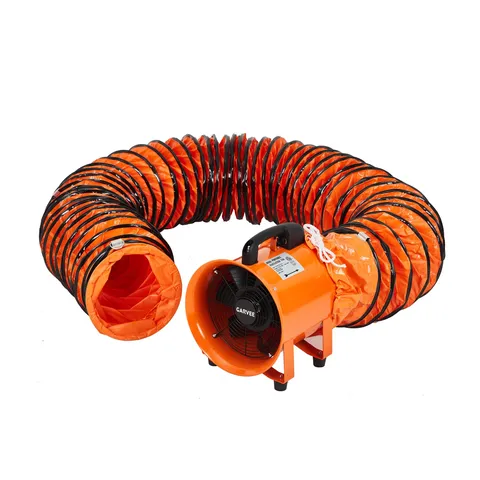 Garvee
Utility blower fan, 10 in
Pushes fresh air into the attic while you blow insulation; the dust hangs in still air.
Check price
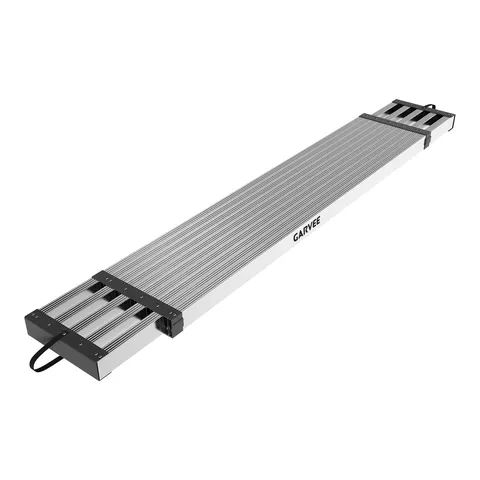 Garvee
Telescoping scaffold plank, 69–112 in
A second walk board to reach the far eaves without stepping off the joists.
Check price
Not the tool you were after? Browse the whole range at Garvee or Plastic Place — the stores these picks come from.