Measure the area first
Use length by width for a driveway or bed, the diameter for a circular fire-pit surround or tree ring, and base by height for a triangular corner. Split an irregular garden into simple shapes and add the results.
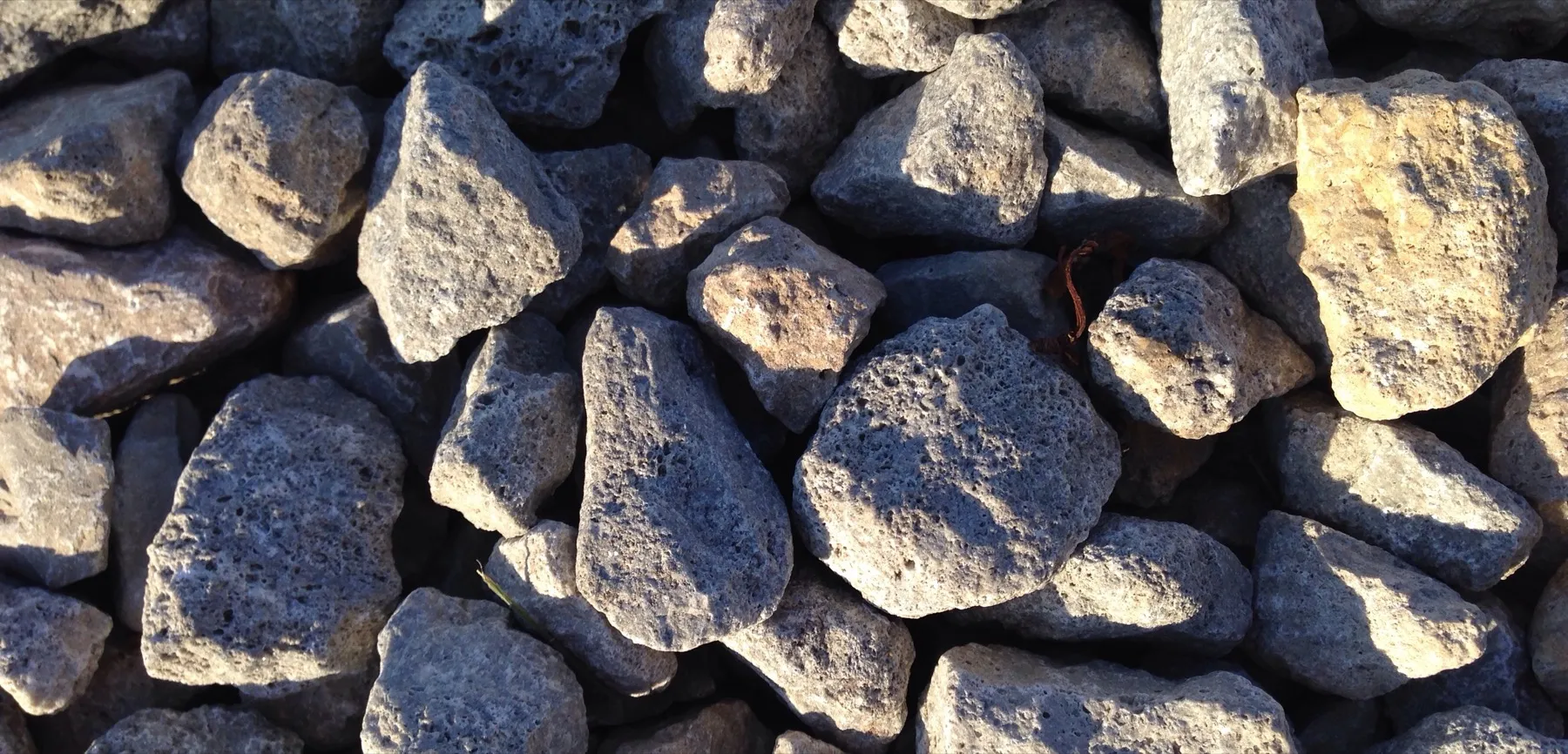
Gravel calculator
Turn an area and a spread depth into cubic yards, tons, cubic metres or bags. One calculator covers gravel, crushed stone, sand, bark mulch, compost and screened topsoil for rectangles, circles and triangles. Then enter your price per ton to see what the load will cost.
Enter measurements ↓Optional
Every material the calculator worked out gets its own price. Each field starts at a typical US figure so you have something to work from — change any of them to what your own supplier charges.
These prices are approximate. They are national US retail figures, and what you actually pay varies with your region, your supplier, the season and how much you buy at once. Treat them as a starting point, not a quote — always price the job from your own supplier's current figures before you order.
Your prices
More in this series
This page covers stone, sand and road base. Mulch, topsoil, sod, seed and fertilizer are bought, spread and settled differently, so each has a calculator of its own.
Tools for the job
Tools and materials that suit this kind of job. These are affiliate links: if you buy through one, Renovimo may earn a commission at no extra cost to you. It never changes the figures on this page.
 Garvee
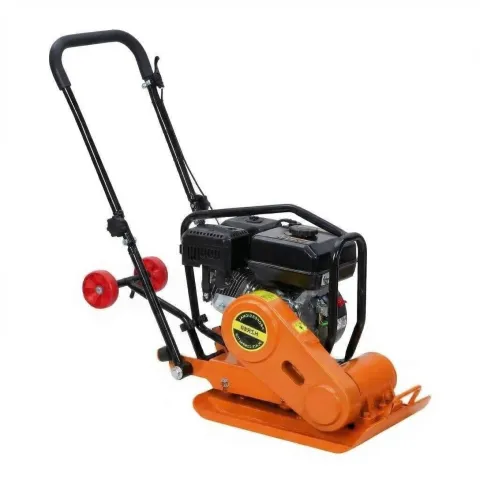
Plate compactor, 7 HP
Compacts gravel base in lifts so pavers and walls do not settle.
Check price
Garvee
Plate compactor, 7 HP
Compacts gravel base in lifts so pavers and walls do not settle.
Check price
 Garvee
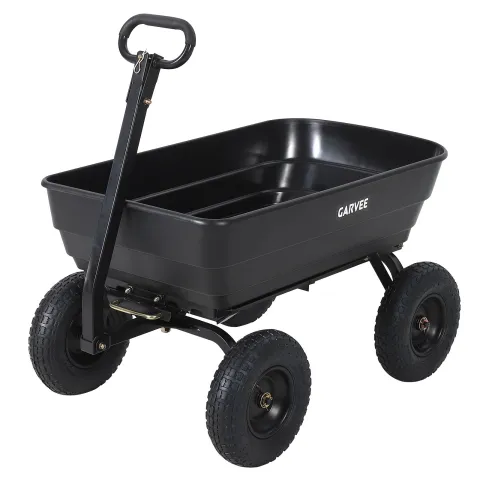
Dump cart, 1200 lb
Tips a whole load of gravel, mulch or debris where you want it.
Check price
Garvee
Dump cart, 1200 lb
Tips a whole load of gravel, mulch or debris where you want it.
Check price
 Garvee
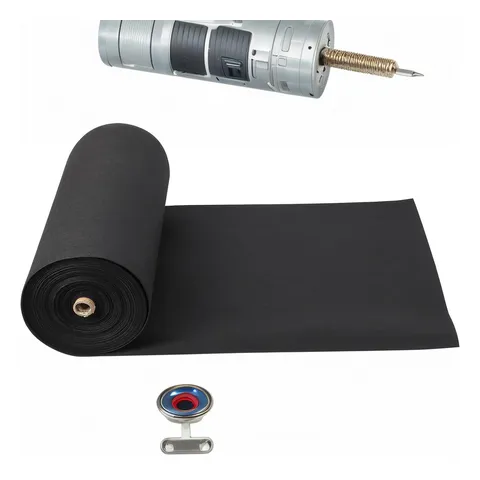
Geotextile landscape fabric, 4 × 50 ft
Keeps gravel base from sinking into the soil under paths and pads.
Check price
Garvee
Geotextile landscape fabric, 4 × 50 ft
Keeps gravel base from sinking into the soil under paths and pads.
Check price
 Garvee
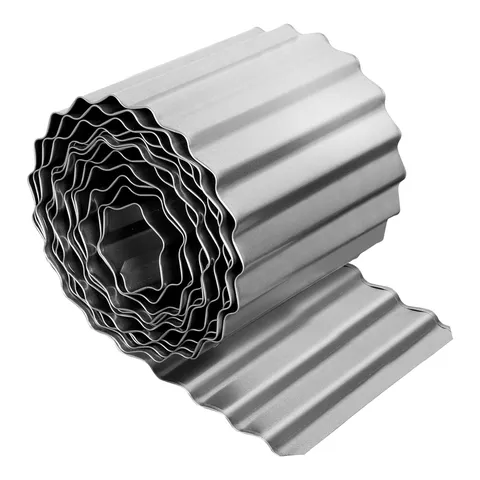
Corrugated metal edging, 6 in × 50 ft
Holds a gravel or mulch bed at its line.
Check price
Garvee
Corrugated metal edging, 6 in × 50 ft
Holds a gravel or mulch bed at its line.
Check price
 Garvee
Steel landscape edging
Keeps gravel, mulch and pavers from creeping into the lawn.
Check price
Garvee
Steel landscape edging
Keeps gravel, mulch and pavers from creeping into the lawn.
Check price
 Garvee
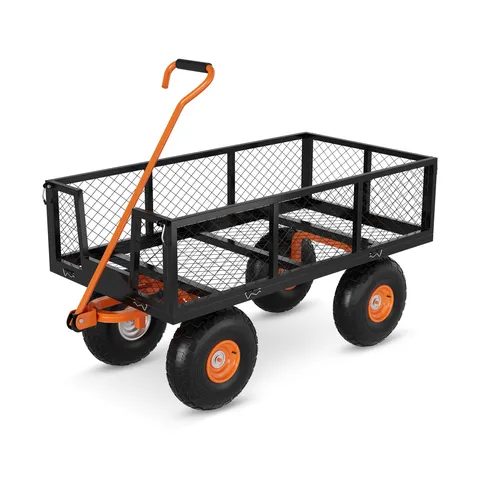
Steel garden cart, 900 lb
A flatbed wagon for bags of stone, soil and pavers; the sides come off.
Check price
Garvee
Steel garden cart, 900 lb
A flatbed wagon for bags of stone, soil and pavers; the sides come off.
Check price
Not the tool you were after? Browse the whole range at Garvee — the store these picks come from.
Based on your result
These quantities update after every calculation. Bulk delivery is normally cheaper above one cubic yard, while bags are easier to carry through a house or a narrow garden gate.
Gravel, stone, sand, mulch, compost or topsoil by volume
Same volume ordered as sealed retail bags
Weed membrane under the bed, with lap allowance
Planning figure of one pin per 8 square feet
Perimeter restraint that keeps the material in place
Roughly one stake every 3 feet of edging
Soil to dig out and haul away, loose volume after swell
Falls, soakaways and kerbs on vehicle areas
Delivery charges, minimum order volumes, geotextile grade and driveway sub-base build-ups vary by supplier and by site, and are not included in these quantities.
Volume guide
Every loose material is ordered by volume, not by area. The gravel calculator multiplies your area by the spread depth to get cubic feet, converts that figure into cubic yards or cubic metres, and then uses bulk density to show what the same load weighs in tons or tonnes.
The same maths works for every stone grade. Only the density and the sensible default depth change: pea gravel is spread thin on paths, while crusher run for a driveway base goes down 4 inches or more and is compacted. Mulch and topsoil have calculators of their own — the mulch calculator and the topsoil calculator.
Use length by width for a driveway or bed, the diameter for a circular fire-pit surround or tree ring, and base by height for a triangular corner. Split an irregular garden into simple shapes and add the results.
Depth matters more than most people expect: doubling a 2 inch decorative layer to 4 inches doubles the order. Deep gravel drives should be built in layers rather than as one thick lift, which is what the driveway build-up mode calculates: a coarse base, a binding middle course and a clean wearing layer, each compacted in about 2 in lifts.
Suppliers sell stone by the ton and mulch by the yard. The calculator shows both, using an editable bulk density so you can match the exact product on the quote instead of a generic average.
Loose material settles once it is raked, walked on or plate-compacted. A 5 to 20 percent allowance keeps the finished level where you want it and avoids a second small delivery.
One cubic yard is 27 cubic feet, and it covers roughly 108 square feet at 3 inches deep or 162 square feet at 2 inches deep. Most stone yards quote gravel by the ton, so the calculator converts your volume with the bulk density you enter: about 1.4 tons per cubic yard for common crushed stone.
Bagged material is sold by volume as well. Retail bags of stone and soil are usually 0.5 to 1 cubic foot, and bark mulch bags are commonly 2 cubic feet, which means 13.5 mulch bags fill a single cubic yard. Working in metric, the same result is shown in cubic metres, tonnes and litre bags.
Bulk delivery normally becomes cheaper somewhere around one cubic yard, but access decides the answer as often as price. Check where a tipper truck can safely drop a load, and whether the material has to be barrowed through a side gate.
This page still works them out by volume, but each has a calculator built for how it is actually bought. The mulch calculator tops up over the layer already in the bed and counts pine straw in bales; the topsoil calculator adds settling, weighs the soil dry or wet and handles raised beds.
Sand behaves differently again. Bedding sand under paving is usually 1 inch of screeded depth, while play sand and sandpits are ordered by finished depth. In every mode the volume, weight and bag count come from the same three inputs: area, depth and density.
Choosing a depth
Use these depths as a starting point, then adjust for traffic, drainage and the size of the stone. Larger stone needs a deeper layer to lock together.
Coverage reference
Coverage depends on the bulk density of the material and the depth you spread it. The figures below are square feet covered by one US ton, and by one cubic yard, at the three most common depths.
| Material | lb / cu yd | 1 ton at 2 in | 1 ton at 3 in | 1 ton at 4 in |
|---|---|---|---|---|
| #57 crushed stone | 2,800 | 116 sq ft | 77 sq ft | 58 sq ft |
| Pea gravel | 2,800 | 116 sq ft | 77 sq ft | 58 sq ft |
| Crusher run / road base | 3,000 | 108 sq ft | 72 sq ft | 54 sq ft |
| River rock | 2,700 | 120 sq ft | 80 sq ft | 60 sq ft |
| Sand | 2,700 | 120 sq ft | 80 sq ft | 60 sq ft |
| Screened topsoil | 2,200 | 147 sq ft | 98 sq ft | 74 sq ft |
| Compost | 1,000 | 324 sq ft | 216 sq ft | 162 sq ft |
| Bark mulch | 338 | 959 sq ft | 639 sq ft | 479 sq ft |
| Any material, 1 cubic yard | — | 162 sq ft | 108 sq ft | 81 sq ft |
Wet material weighs more and covers less per ton. Confirm the delivered density with the supplier before ordering by weight, and add the compaction allowance for anything that will be walked on or driven over.
Bagged stone and sand are sold by volume, and the volume on the bag decides how many you need. These are the sizes on the shelf at the big-box stores, with the number of bags that fills a cubic yard.
| Bagged product | Bag volume | Bags per cubic yard | Bags per m³ |
|---|---|---|---|
| Paver base and pea gravel, 50 lb bag | 0.5 cu ft | 54 bags | 71 bags |
| All-purpose sand, 50 lb bag | 0.5 cu ft | 54 bags | 71 bags |
Set the bag size in the calculator to match the product you are buying and the bag count updates with it. At 54 bags to the yard, bulk delivery is usually cheaper above roughly one cubic yard — worth checking before loading a car.
The maths
Volume is simply area multiplied by depth, once the depth is converted from inches into feet. Cubic yards follow by dividing by 27, and weight follows from the bulk density of the material.
Length by width, diameter, or base by height; split odd shapes into simple parts.
Enter inches or centimetres of finished, spread material rather than the excavation depth.
Density and a sensible default depth are filled in for stone, sand, soil, compost and mulch.
A 5 to 20 percent allowance covers settlement, raking losses and uneven ground.
Volume, tonnage, bags and bulk bags are each rounded to what a supplier will actually deliver.
Which stone
Stone is sold by grade, and the number on the ticket is a sieve size, not a brand. Pick the grade by what the layer has to do — drain, compact, or be walked on — and the calculator converts your area and depth into tons or yards for whichever you choose.
| Grade | Size | Compacts? | What it is for |
|---|---|---|---|
| #57 stone | 3/4 in, washed | No — stays loose | Drainage, French drains, pipe bedding, concrete aggregate |
| Crusher run | 3/4 in down to dust | Yes — locks tight | Base under pavers, driveways and slabs |
| Pea gravel | 3/8 in, rounded | No — rolls underfoot | Paths, play areas, decorative fill |
| River rock | 1–3 in, rounded | No | Dry creek beds, borders, decorative beds |
| Stone dust | Under 1/4 in | Yes | Screed layer, setting bed under flagstone |
The one that catches people out is #57 against crusher run. They cost about the same and look similar in the yard, but #57 is washed clean of fines and will never compact — which makes it right for drainage and wrong under a patio. Crusher run keeps its dust, locks together under a plate and is the opposite on both counts.
Sizes, coverage rates and what a yard of each weighs are set out in crushed stone sizes and coverage. If the stone is going under pavers, the paver calculator sizes the whole build-up instead.
Before you order
About 162 square feet at 2 inches deep, 108 square feet at 3 inches deep and 81 square feet at 4 inches deep. One cubic yard is 27 cubic feet, so coverage falls as the layer gets deeper.
Multiply cubic yards by the bulk density and divide by 2,000. Common crushed stone is close to 2,800 lb per cubic yard, or about 1.4 tons, but wet or dense stone weighs more.
Around 3 inches for paths and drainage layers, and 4 inches per compacted layer on a driveway. #57 stone is roughly 3/4 inch angular material, so a layer thinner than about 2 inches will not lock together.
Yes. Switch to metres and the inputs change to metres and centimetres, and the results are shown in square metres, cubic metres, tonnes, litre bags and 1 tonne bulk bags.
Select the circle shape and enter the diameter. The area is π multiplied by the radius squared, so a 10 foot circle covers about 78.5 square feet, or 19.6 cubic feet at 3 inches deep.
There is nothing to download: this page is the gravel calculator app, running in the phone browser. Add it to your home screen from the browser menu and it opens with an icon like any other app. Every calculation, unit switch and 3D model works on a phone.
Yes for anything that will be walked on, driven over or plate-compacted. Decorative top layers need little or none, driveway layers commonly need 10 to 20 percent.
Yes for the quantities: the driveway build-up mode calculates the base, middle and top layers separately, and every calculation shows the excavated spoil to haul away, with a 25 percent swell allowance because dug soil bulks up. Falls, drainage and subgrade preparation still need planning on site.
Planning estimate only. Confirm bulk density, delivered volumes, minimum orders, sub-base requirements and drainage with your supplier or a qualified contractor before ordering or starting work.
Keep estimating