Primer calculator
Primer calculator:
gallons by surface, with the coats built in
Primer covers less than paint and the number of coats depends on what is underneath. Pick the surface and the coats fill in from the same table the primer guide prints; change them if you know better.
Enter the surfaceOptional
What will it cost?
Every material the calculator worked out gets its own price. Each field starts at a typical US figure so you have something to work from — change any of them to what your own supplier charges.
These prices are approximate. They are national US retail figures, and what you actually pay varies with your region, your supplier, the season and how much you buy at once. Treat them as a starting point, not a quote — always price the job from your own supplier's current figures before you order.
Your prices
More in this series
The rest of the paint job
Each surface is bought as a different product. Work out the ones you are doing before the trip to the store.
- Paint Calculator Wall and ceiling paint, primer, rollers and tape
- Ceiling Paint Calculator Ceiling paint, stain-blocking primer, roller covers and tape
- Exterior Paint Calculator Gallons of exterior paint and primer by siding type, trim paint, rollers, brushes and tape
- Siding Calculator Squares of siding, panels and boxes of vinyl or planks of fiber cement, J-channel, starter strip, corner posts and nails
- Trim Paint Calculator Quarts of trim enamel and primer for baseboards, casing and crown by the linear foot, brushes, tape and caulk
- Cabinet Paint Calculator Quarts of cabinet enamel and primer for doors, drawers and frames, foam rollers, brushes and degreaser
- Fence Stain Calculator Gallons of stain or paint for both sides of a fence and its posts, by fence type and wood condition
- Door Paint Calculator Quarts of enamel and primer for interior and front doors, one or both sides, with frames, brushes and foam rollers
- Paint Coverage per Gallon What a gallon covers on each surface, and gallons for common rooms
- Paint Sheen Chart Flat to gloss: durability, where each finish belongs, and the comparisons
- Paint Drying and Recoat Times Dry to the touch, recoat and cure times for latex, oil-based, primer, polyurethane and stain, and how weather changes them
- Spray Paint Drying Times Dry, handle, recoat and cure times for spray paint by type and surface, and how many cans a job takes
- How Many Coats of Paint and Primer Coats by color change and surface, how long to wait between coats, and coats of polyurethane and stain
- Primer Coats and Coverage How many coats of primer each surface needs, coverage per gallon by primer type, and how long each takes to dry
- Vinyl Siding Sizes and Squares What a square of siding is, vinyl panel lengths and pieces per box, Hardie and LP plank sizes, and trim per square
- Paint Can Sizes and Weights What a quart, gallon and 5 gallon bucket of paint weigh and how many square feet each one covers
Tools for the job
What makes this job easier
Tools and materials that suit this kind of job. These are affiliate links: if you buy through one, Renovimo may earn a commission at no extra cost to you. It never changes the figures on this page.
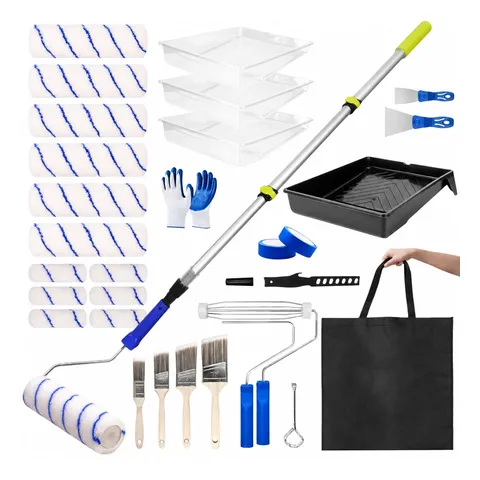 Garvee
Pro paint roller kit, 32 pieces
9 in and 4 in rollers on a telescoping pole, for walls and ceilings without a ladder.
Check price
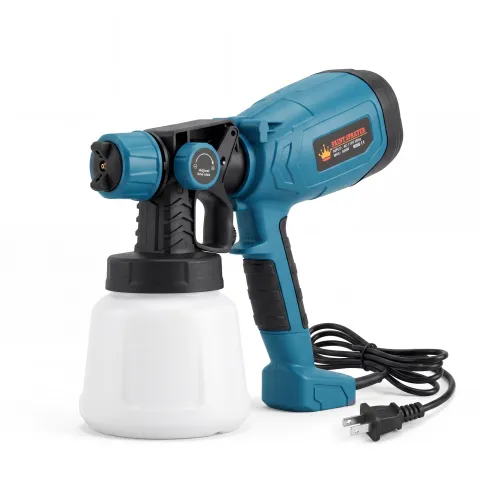 Garvee
Handheld paint sprayer
Small and cheap — right for furniture, railings, fences and deck stain.
Check price
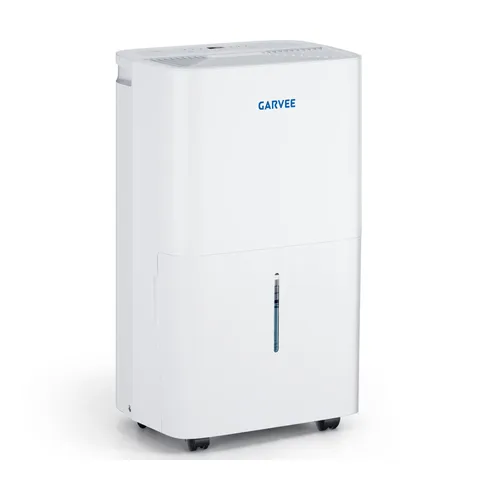 Garvee
Dehumidifier, 50 pint
Pulls the water out of a room so slabs, mud and new floors dry on schedule.
Check price
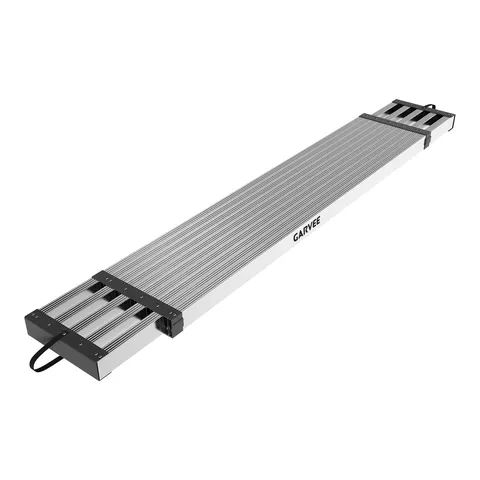 Garvee
Telescoping scaffold plank, 69–112 in
Spans two ladders for ceilings, crown and the top of the wall.
Check price
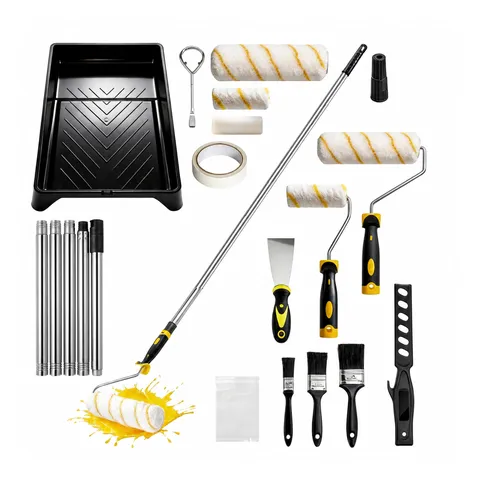 Garvee
House painting kit, 25 pieces
Rollers, tray, pole and drop cloth for one room — the kit the gallon count assumes you already own.
Check price
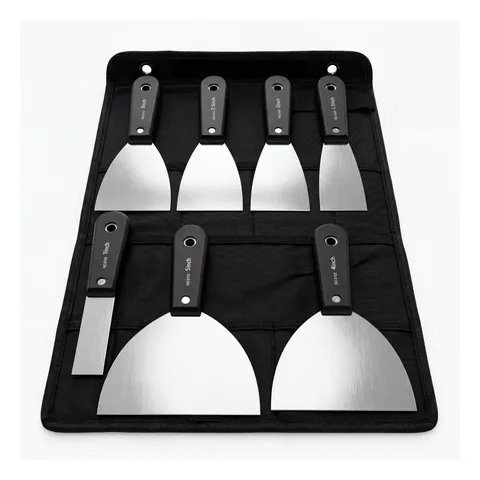 Garvee
Putty knife set, 1–5 in
Taping knives for mudding joints and filling holes before paint.
Check price
Not the tool you were after? Browse the whole range at Garvee — the store these picks come from.
Based on your result
What you'll need
Quantities update after every calculation. A cheap roller sheds fibers into primer, so buy a decent cover and a brush for the edges.
- Primer
- Gallons for every coat, in the type you picked
- Calculate above
- Roller covers Amazon
- 3/8 in nap for smooth walls, 1/2 in for textured
- —
- Brush Amazon
- 2 in angled, for edges, corners and trim
- —
- Roller tray Amazon
- Metal or plastic, with a liner for easy clean-up
- 1 tray
As an Amazon Associate I earn from qualifying purchases.
The maths
How much primer do I need?
Measure what you are priming, multiply by the coats that surface needs and divide by what a gallon of that primer covers. Primer goes on thinner than paint but soaks in more, so its coverage depends on the type.
coats = from the surface table (change if you know better)
gallons = ⌈ area × coats ÷ coverage for the primer type ⌉
- 01
Measure the room
Walls are the perimeter times the height; add the ceiling if it is getting primer too.
- 02
Take out the openings
Doors and windows are not primed. Each is measured at its own size.
- 03
Name the surface
New drywall, a dark color, bare wood, a stain or metal each want different primer.
- 04
The coats come from the surface
New drywall takes one coat, a dark color going light one coat of white high-hide primer, and a sound painted wall in a similar color none. Change the number if you know better.
- 05
The coverage comes from the primer type
PVA and oil cover about 350 sq ft a gallon, latex 300, shellac 450 and masonry primer around 100.
Coverage
How many coats of primer by surface
The coats and primer type the calculator fills in for each surface. The notes behind each row, and the drying times, are on the primer coats and coverage guide.
| Surface | Coats | Primer type |
|---|---|---|
| New drywall | 1 | PVA drywall primer |
| Painted wall, similar color | 0 | — (spot-prime patches) |
| Dark color going light | 1 | Latex all-purpose primer |
| Bare wood, trim and doors | 1 | Oil-based primer |
| Glossy or enameled surface, cabinets | 1 | Bonding primer |
| Water, smoke or tannin stains | 1 | Shellac primer |
| Bare metal | 1 | Oil-based primer |
| Masonry, concrete, stucco | 1 | Masonry primer / block filler |
Good to know
Primer calculator questions, answered
A 12 × 12 room with 8 ft walls has 384 sq ft of wall and 144 sq ft of ceiling, 528 sq ft before the doors and windows come out. One coat of PVA primer at 350 sq ft a gallon is 1.5 gallons, so buy 2.
Yes. New drywall soaks up paint unevenly, and the paper and the joint compound take it at different rates, which shows as dull patches. One coat of PVA drywall primer evens the surface out before the paint goes on.
One coat of a high-hide white primer, or one tinted toward the new color; add a second only if the old color still shows. Gray primer is for going to a deep color, not away from one.
On a sound wall in a similar color, yes: two coats of the paint do the job. On new drywall, bare wood or stains, no. A paint-and-primer does not seal porous surfaces or block stains the way a real primer does.
PVA and latex primers are dry to the touch in about 30 minutes and ready for paint after 1 hour. Oil-based primer such as Kilz Original is dry to the touch in 30 minutes and takes a topcoat after 1 hour, and shellac after about 45 minutes. The primer coats and coverage guide has the full chart.
Latex for ordinary walls: it dries fast, cleans up with water and has little odor. Oil or shellac for bare wood, metal, stains and odors, where the primer has to block tannins and water marks from bleeding through.