Tile calculator
Tile installation
cost calculator
Calculate floor or wall tiles by room and tile size. Subtract doors and windows, choose a layout, and estimate full boxes, adhesive, grout, spacers and cutting waste with a live 3D preview. Then price the tiles at your own rate per square foot.
Enter measurementsOptional
What will it cost?
Every material the calculator worked out gets its own price. Each field starts at a typical US figure so you have something to work from — change any of them to what your own supplier charges.
These prices are approximate. They are national US retail figures, and what you actually pay varies with your region, your supplier, the season and how much you buy at once. Treat them as a starting point, not a quote — always price the job from your own supplier's current figures before you order.
Your prices
Tools for the job
What makes this job easier
Tools and materials that suit this kind of job. These are affiliate links: if you buy through one, Renovimo may earn a commission at no extra cost to you. It never changes the figures on this page.
 Garvee
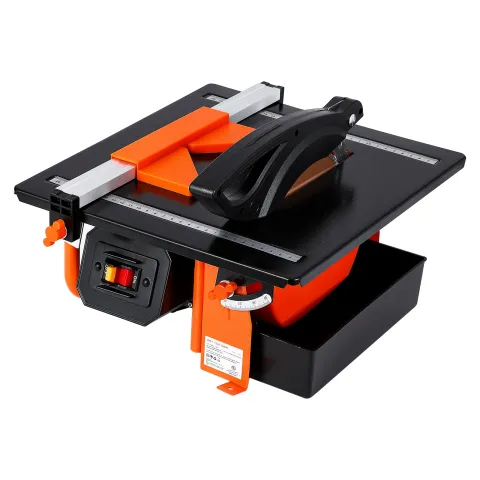
7 in wet tile saw
Clean cuts in porcelain and ceramic, including notches around pipes.
Check price
Garvee
7 in wet tile saw
Clean cuts in porcelain and ceramic, including notches around pipes.
Check price
 Garvee
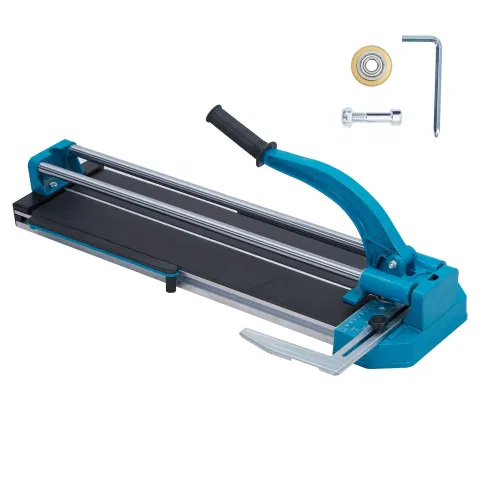
Manual tile cutter, 48 in
Fast, dust-free straight cuts, long enough for large-format tile.
Check price
Garvee
Manual tile cutter, 48 in
Fast, dust-free straight cuts, long enough for large-format tile.
Check price
 Dovoh
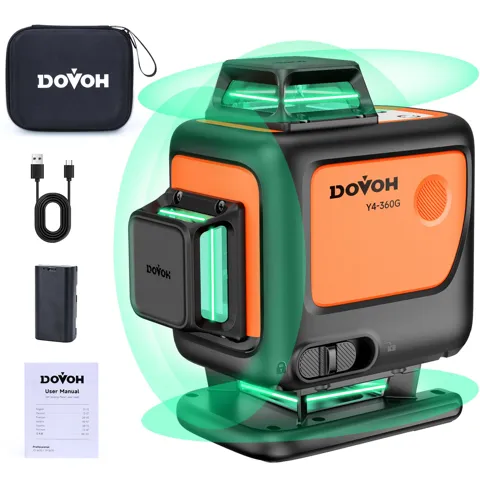
4 × 360° floor laser level
Lines on the floor and all four walls at once: square layout lines and a level reference around the room.
Check price
Dovoh
4 × 360° floor laser level
Lines on the floor and all four walls at once: square layout lines and a level reference around the room.
Check price
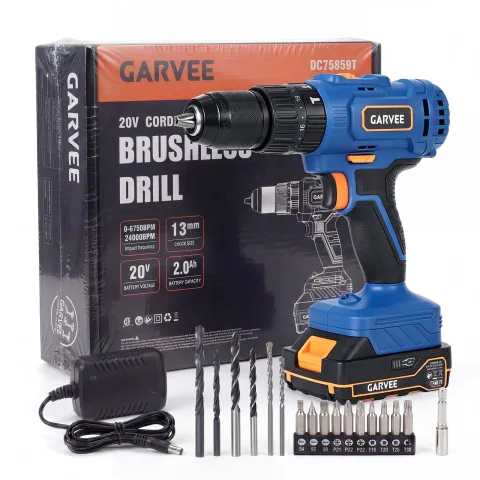 Garvee
20V cordless hammer drill
Drills masonry and concrete for anchors, and drives screws everywhere else.
Check price
Garvee
20V cordless hammer drill
Drills masonry and concrete for anchors, and drives screws everywhere else.
Check price
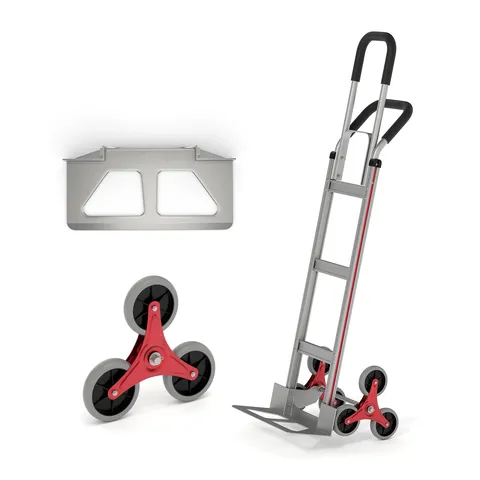 Garvee
Stair-climbing hand truck, 330 lb
Gets bags of concrete, thinset and boxes of tile up and down stairs.
Check price
Garvee
Stair-climbing hand truck, 330 lb
Gets bags of concrete, thinset and boxes of tile up and down stairs.
Check price
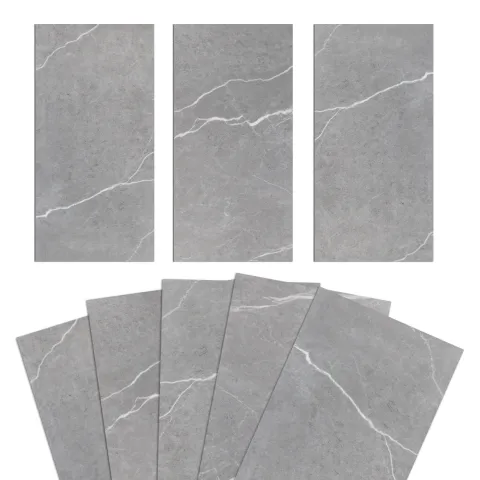 Jeedeson
Peel-and-stick vinyl tile, 12 × 24 in
Goes straight onto a flat, primed floor — 60 sq ft per case.
Check price
Jeedeson
Peel-and-stick vinyl tile, 12 × 24 in
Goes straight onto a flat, primed floor — 60 sq ft per case.
Check price
Not the tool you were after? Browse the whole range at Garvee, Dovoh or Jeedeson — the stores these picks come from.
Based on your result
What you'll need
Quantities update after every calculation. Enter your price per square foot below to cost the whole job.
- Tile
- Walls and floor, plus 10% waste
- Calculate above
As an Amazon Associate I earn from qualifying purchases.
Cost
Tile installation cost per square foot
An installed tile price has two halves. The tile itself runs from about $1 a square foot for basic ceramic to $15 and more for natural stone and large-format porcelain. Tile installation labor adds $4 to $12 per square foot on top, and thinset, grout and spacers add well under a dollar more.
| Tile at | Labor | Installed per sq ft | 100 sq ft floor |
|---|---|---|---|
| $1 / sq ft | $4 – $12 | $5 – $13 | $500 – $1,300 |
| $5 / sq ft | $4 – $12 | $9 – $17 | $900 – $1,700 |
| $15 / sq ft | $4 – $12 | $19 – $27 | $1,900 – $2,700 |
Typical US figures before waste and setting materials. Every price in the calculator above can be changed to match your own quotes.
What moves a tile installer's price
Labor sits at the bottom of the band for a square floor in 12 × 12 ceramic and climbs with every cut. Bathroom walls and shower surrounds cost more per square foot than floors: smaller areas, more edges, niches and waterproofing. Large-format porcelain needs a flatter substrate and levelling clips, mosaic and herringbone need far more handling, and removing old tile or levelling the subfloor is quoted as its own line.
Worked example: a 60 sq ft bathroom floor
- 1. Tile — 60 sq ft + 10 % = 66 sq ft at $5 = $330
- 2. Setting materials — 2 bags of thinset at about 50 sq ft each, 1 bag of grout = $64
- 3. Labor — 60 sq ft at $4 – $12 = $240 – $720
- 4. Installed — $634 – $1,114
On a room this small, the per-square-foot rate is only a guide. Many installers set a minimum charge for a day on site, so a half bath can cost nearly what the full bathroom does, and the saving from choosing cheaper tile is small next to the labor. On a large open floor it is the other way round: the tile itself becomes the biggest line, and the choice between $2 and $8 porcelain moves the total more than any installer's quote.
Tile size changes both halves of the price
Small tile means more pieces, more grout and more time per square foot; large tile means fewer joints but a flatter floor and a second pair of hands. Grout use rises sharply as tiles shrink and joints widen — tile sizes and grout joints gives the joint width and thinset coverage for every common format. If the floor is out of flat for the tile you have chosen, levelling it first is part of the job; the self leveling calculator gives the bags and the cost of the pour.
The maths
How we work out your tile
Each wall is measured on its own and its doors and windows are removed, then the floor's footprint is added. The total is padded for cuts and breakage before it's split into tiles and boxes.
floor area = length × width
tiles = ⌈ (wall + floor) × 1.10 ÷ tile size ⌉
- +10%
- cuts & breakage
- 10 sq ft
- per box of tile
- 50 sq ft
- per bag of adhesive
- 21 sq ft
- removed per door
- 15 sq ft
- removed per window
- ft ↔ m
- converted automatically
-
01
Measure walls and floor
Enter each wall separately and the floor is taken from the room footprint — both get tiled.
-
02
Remove the openings
Doors and windows are deducted from the wall they sit on, so you are not buying tile for them.
-
03
Pick a tile size
Larger tiles mean fewer pieces; mosaics mean many more. The style you choose drives the count and the grout.
-
04
Add cuts and split into boxes
We add 10% for cuts and breakage, then divide by the tile size and box coverage to give tiles and boxes to buy.
Good to know
Tile questions, answered
The calculator adds 10% for straight layouts, which covers cuts and the odd broken tile. For diagonal or herringbone patterns add closer to 15%, and keep a few spare tiles for future repairs.
Larger tiles cover an area with fewer pieces and less grout, and go down faster. They need a flatter surface though, so on uneven walls smaller tiles or extra levelling can work out better.
Adhesive is estimated at about 50 square feet per bag of thin-set with a standard trowel. Grout depends on tile size and joint width — smaller tiles need much more, which is why the estimate changes with the style you pick.
It is usually easiest and best-looking to tile the full wall, then cut around fixtures. If you plan to skip large built-ins, reduce that wall’s size or add it as an opening.
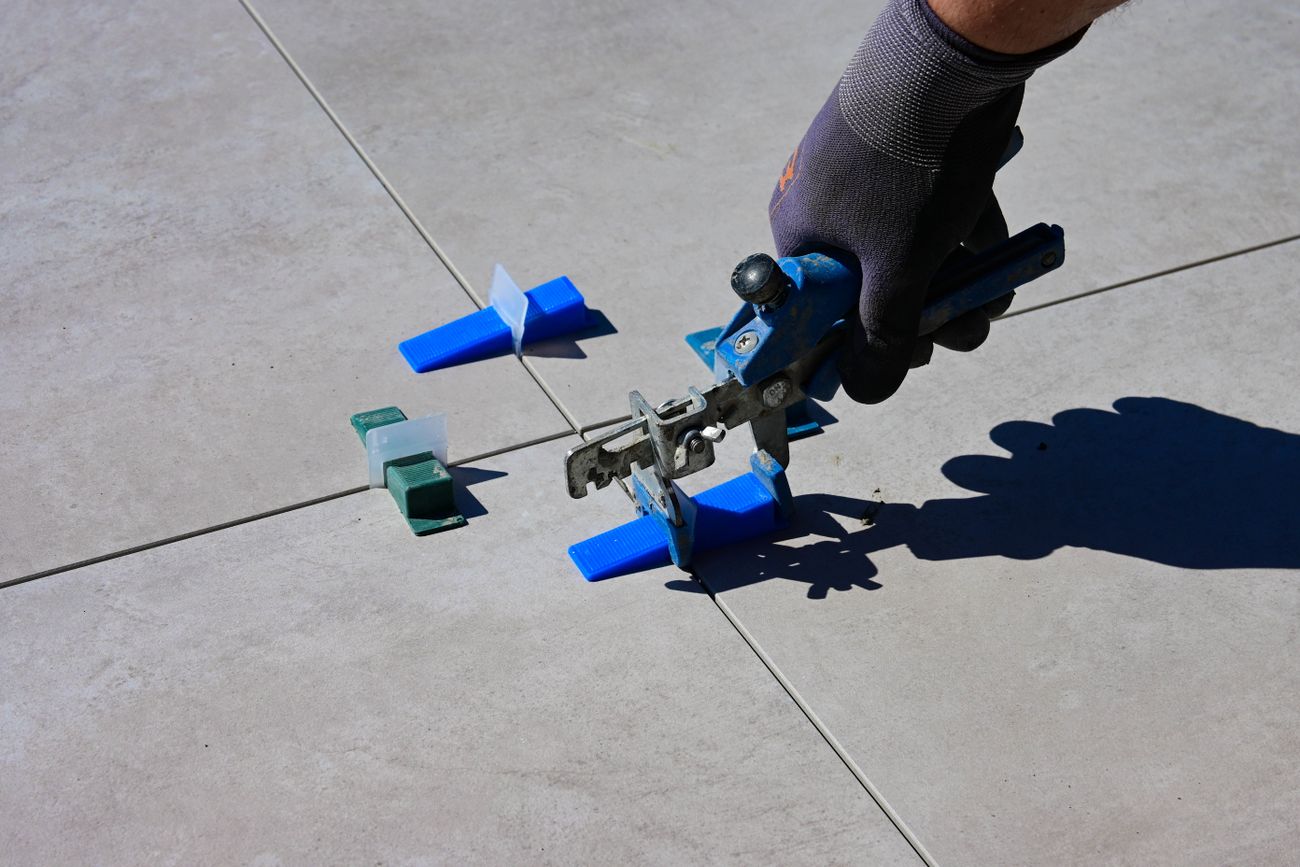
Spacers keep the grout lines even and are cheap insurance for a tidy finish. For large-format tiles, levelling clips also help avoid lippage where one tile sits proud of the next.
Labor typically runs $4 to $12 per square foot, on top of the tile itself at $1 to $15. With mid-range tile at $5, installed tile usually lands between $9 and $17 per square foot before waste.
With $5 tile and 10 percent waste, the tile is about $550; thinset, grout and spacers add roughly $90; and labor is $400 to $1,200. All in, about $1,040 to $1,840. Walls and showers cost more per square foot than a floor of the same size.