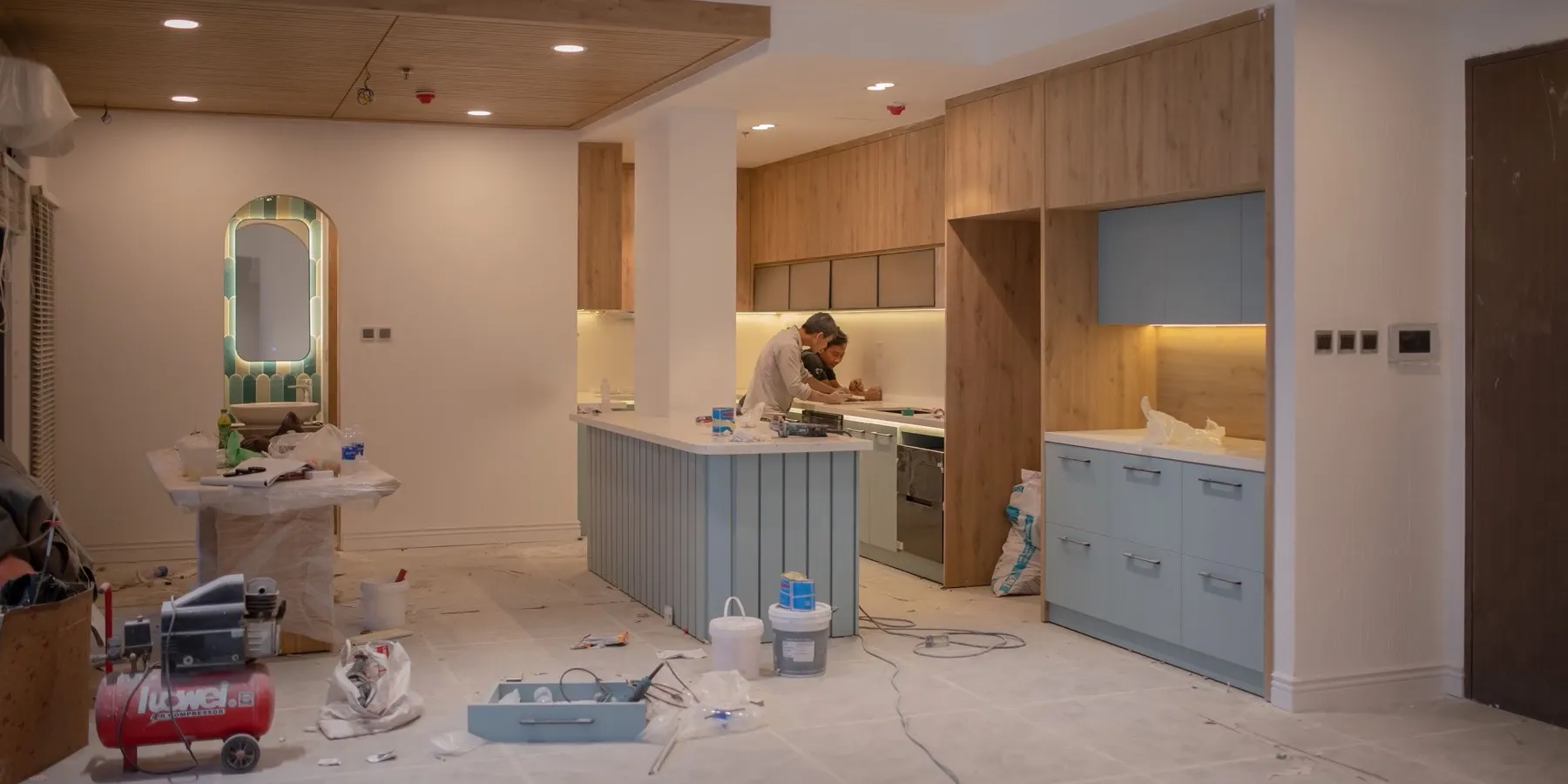
Cabinet paint calculator
Cabinet paint calculator:
quarts for doors, drawers and frames
Cabinets are counted in quarts, not gallons, and both sides of every door count by default. This kitchen cabinet paint calculator takes a kitchen size or your own count of fronts, and gives the enamel and the bonding primer separately.
Count your cabinetsOptional
What will it cost?
Every material the calculator worked out gets its own price. Each field starts at a typical US figure so you have something to work from — change any of them to what your own supplier charges.
These prices are approximate. They are national US retail figures, and what you actually pay varies with your region, your supplier, the season and how much you buy at once. Treat them as a starting point, not a quote — always price the job from your own supplier's current figures before you order.
Your prices
More in this series
The rest of the paint job
Each surface is bought as a different product. Work out the ones you are doing before the trip to the store.
- Paint Calculator Wall and ceiling paint, primer, rollers and tape
- Ceiling Paint Calculator Ceiling paint, stain-blocking primer, roller covers and tape
- Exterior Paint Calculator Gallons of exterior paint and primer by siding type, trim paint, rollers, brushes and tape
- Siding Calculator Squares of siding, panels and boxes of vinyl or planks of fiber cement, J-channel, starter strip, corner posts and nails
- Trim Paint Calculator Quarts of trim enamel and primer for baseboards, casing and crown by the linear foot, brushes, tape and caulk
- Fence Stain Calculator Gallons of stain or paint for both sides of a fence and its posts, by fence type and wood condition
- Primer Calculator Gallons of primer by surface and primer type, with the coats each surface needs, rollers and brushes
- Door Paint Calculator Quarts of enamel and primer for interior and front doors, one or both sides, with frames, brushes and foam rollers
- Paint Coverage per Gallon What a gallon covers on each surface, and gallons for common rooms
- Paint Sheen Chart Flat to gloss: durability, where each finish belongs, and the comparisons
- Paint Drying and Recoat Times Dry to the touch, recoat and cure times for latex, oil-based, primer, polyurethane and stain, and how weather changes them
- Spray Paint Drying Times Dry, handle, recoat and cure times for spray paint by type and surface, and how many cans a job takes
- How Many Coats of Paint and Primer Coats by color change and surface, how long to wait between coats, and coats of polyurethane and stain
- Primer Coats and Coverage How many coats of primer each surface needs, coverage per gallon by primer type, and how long each takes to dry
- Vinyl Siding Sizes and Squares What a square of siding is, vinyl panel lengths and pieces per box, Hardie and LP plank sizes, and trim per square
- Paint Can Sizes and Weights What a quart, gallon and 5 gallon bucket of paint weigh and how many square feet each one covers
Tools for the job
What makes this job easier
Tools and materials that suit this kind of job. These are affiliate links: if you buy through one, Renovimo may earn a commission at no extra cost to you. It never changes the figures on this page.
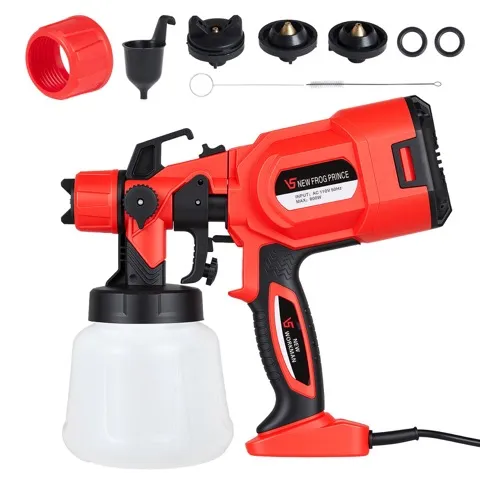 Garvee
Handheld paint sprayer, 850 W
Three nozzles for fine detail up to flat doors and cabinet faces, with an even finish and no brush marks.
Check price
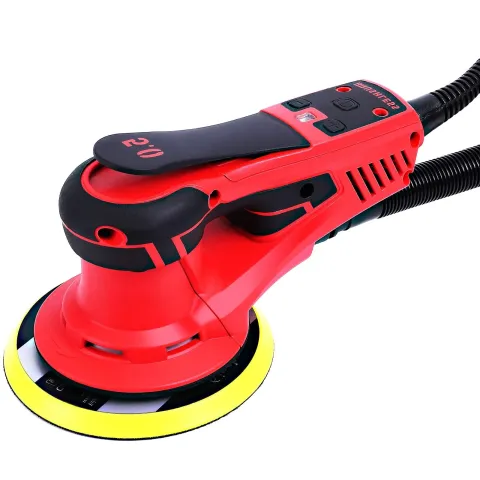 Garvee
6 in random orbital sander
Smooths stair treads, rails and trim before finishing.
Check price
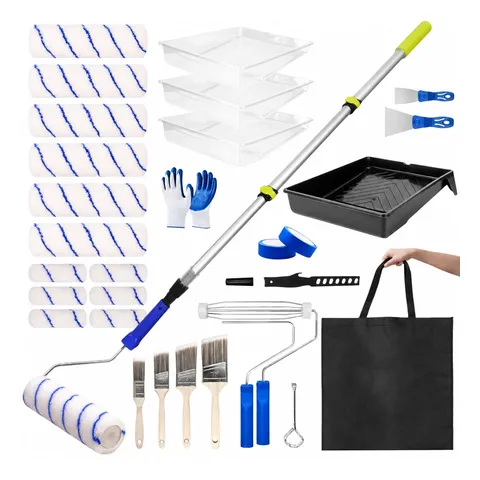 Garvee
Pro paint roller kit, 32 pieces
9 in and 4 in rollers on a telescoping pole, for walls and ceilings without a ladder.
Check price
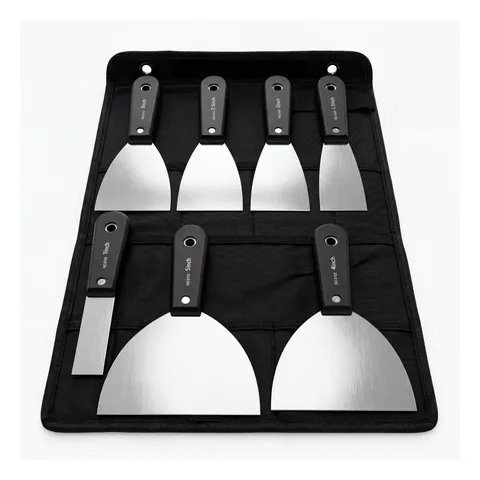 Garvee
Putty knife set, 1–5 in
Taping knives for mudding joints and filling holes before paint.
Check price
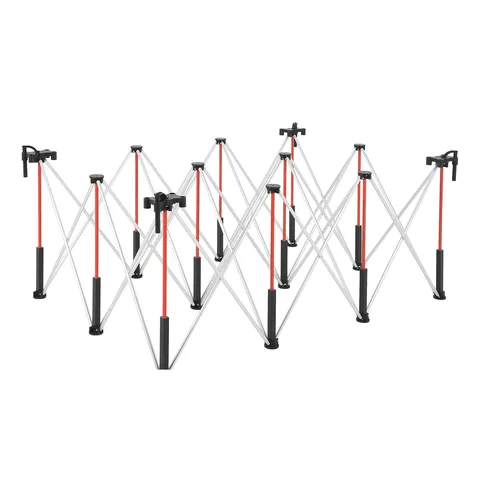 Garvee
Folding workbench, 6 × 4 ft
A big flat stand to lay doors and cabinet faces on, so you can paint and dry them level.
Check price
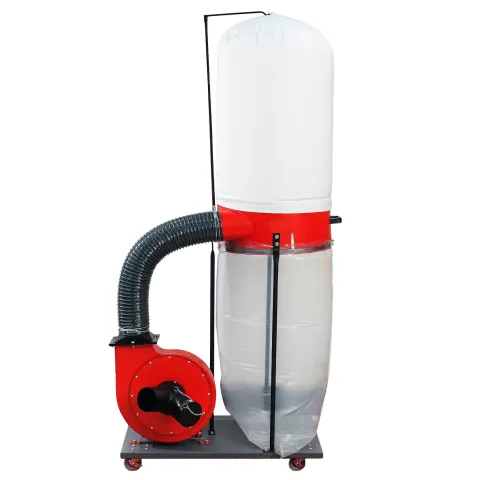 Garvee
Dust collector, 50 gal
Keeps sawdust off the job when you cut indoors.
Check price
Not the tool you were after? Browse the whole range at Garvee — the store these picks come from.
Based on your result
What you'll need
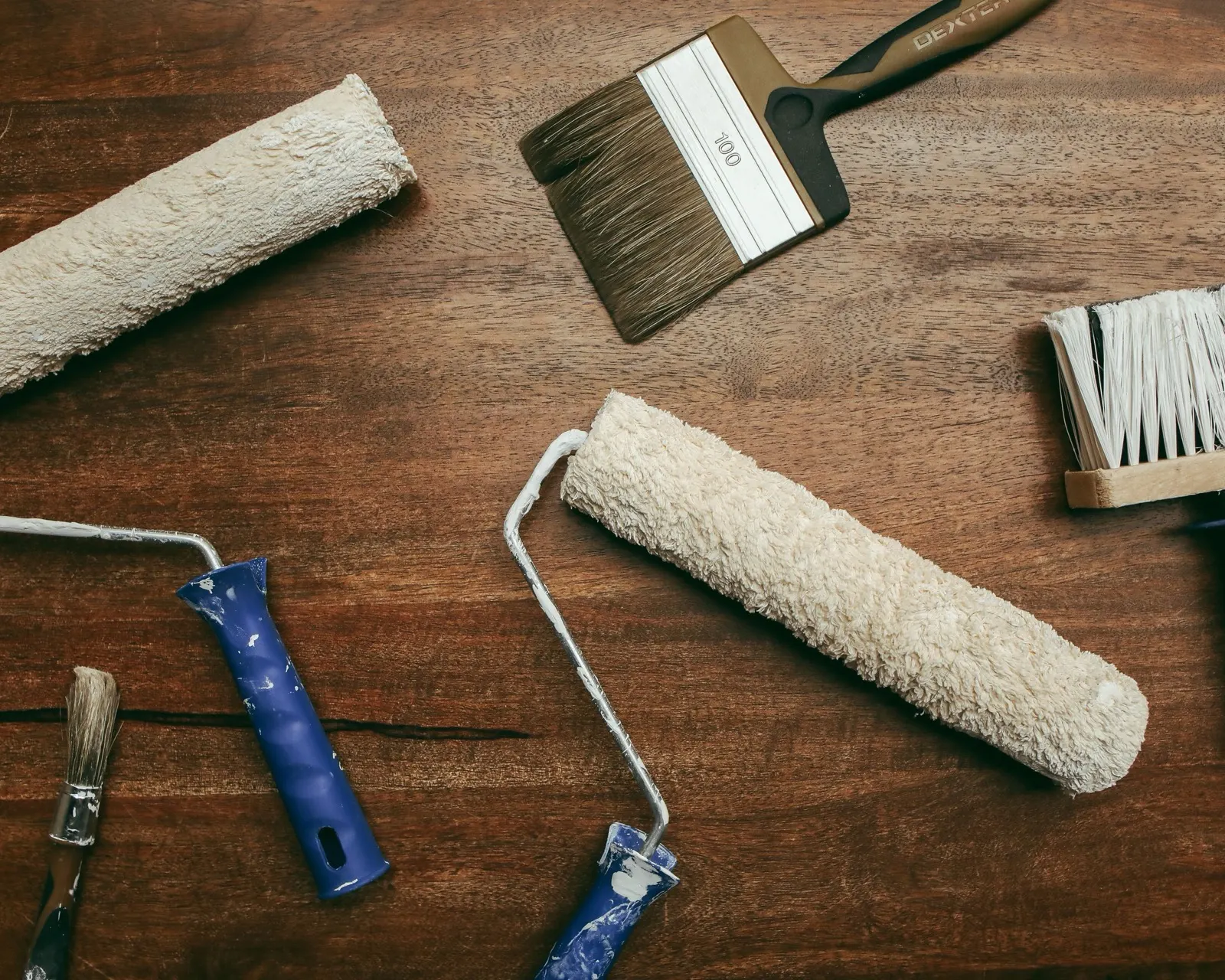
Quantities update after every calculation. Cabinet doors want a 4 in foam roller and a good angled brush; keep the thick-nap wall rollers for the walls.
- Cabinet enamel
- Quarts for every coat, including the door backs when ticked
- Calculate above
- Bonding primer
- When you tick primer first
- —
- 4 in foam rollers Amazon
- A fresh one for each coat keeps the finish smooth
- —
- Angled sash brush Amazon
- For the edges, profiles and the frame
- —
- Degreaser
- Kitchen cabinets carry a film of cooking grease
- 1 bottle
- Painter's tape Amazon
- Walls, hinges you leave on, and the cabinet interiors
- —
As an Amazon Associate I earn from qualifying purchases.
The maths
How much paint to paint kitchen cabinets?
Cabinets are small flat panels, so the area is simple: a door has two faces to paint, a drawer front has one, and the frame is a narrow strip by the foot. Add the exposed end panels, any island and any crown or light rail, allow extra for profiled doors, then multiply by the coats and divide by what a gallon covers.
drawers = count × 15 × 6 ÷ 144 · frames = feet × 1.5 ÷ 12
end panels = count × 24 × 30 ÷ 144 · island = (length + 4) × 34.5 ÷ 12
crown = feet × 3.5 ÷ 12 · light rail = feet × 1.5 ÷ 12
style: doors and drawers × 1.0 flat, 1.1 shaker, 1.25 raised
quarts = ⌈ (all of the above) × coats ÷ 350 × 4 ⌉
Bonding primer is counted at 250 sq ft per gallon, the low end of the range, because slick factory finishes take it unevenly. The primer calculator uses each primer type's own coverage.
- 01
Count the fronts
Every door and every drawer front, including the false ones on the sink base. The insides of the cabinet boxes are not counted.
- 02
Measure one door
Width and height in inches. Standard framed doors are about 15 × 30 in, and most of the kitchen repeats that size.
- 03
Count both sides of every door
The back of a door is painted too, so each door counts twice unless you untick the inside of the doors. A drawer front only has its face.
- 04
Add the frames, end panels and island
Face frames are strips about 1½ in wide; measure their run in feet. Count each visible cabinet side as an end panel, give the island its length, and enter crown or light rail in feet (3½ in and 1½ in tall).
- 05
Prime everything with a bonding primer
Factory finishes and old enamel are slick. A bonding primer is what keeps cabinet paint from chipping at the edges.
Coverage
Cabinet paint calculator by kitchen size
| Kitchen | Doors | Drawers | Frame ft | End panels | Enamel, 2 coats | Primer, 1 coat |
|---|---|---|---|---|---|---|
| Small, 10 × 10 ft | 14 | 6 | 40 | 1 | 3 quarts | 2 quarts |
| Medium, L-shaped | 22 | 8 | 60 | 2 | 4 quarts · 1 gallon | 3 quarts |
| Large, U-shaped or island | 32 | 13 | 90 | 4 | 6 quarts · 1 gallon + 2 quarts | 4 quarts · 1 gallon |
A 10 × 10 kitchen typically has about 20 door and drawer fronts, and the larger kitchens scale up from there. Doors are 15 × 30 in flat slabs painted both sides, drawer fronts 15 × 6 in, and each end panel 24 × 30 in, all common framed-cabinet sizes. An island, crown moulding, shaker or raised-panel doors, or leaving the door backs unpainted change the figure, so use the calculator for those. Painting the walls as well? Use the paint calculator.
Good to know
Cabinet paint questions, answered
A medium kitchen, with about 22 doors and 8 drawer fronts, is roughly 160 sq ft of surface once both sides of every door and two exposed end panels are counted. That is about two quarts of enamel per coat, so four quarts for the usual two coats.
Yes. Degrease them first, scuff the sheen, then use a bonding primer. Cabinets are slick, factory-finished surfaces, and enamel put straight on them tends to chip at the edges within months.
Buy quarts for a small job and a gallon from four quarts up: a gallon of cabinet enamel costs about as much as three quarts. A medium kitchen takes about four quarts for two coats, so buy one gallon; a large one takes about six, so a gallon and two quarts. The cost panel prices the gallon and the quarts separately.
Usually yes: the back of a door is exposed whenever it is open, and bare wood or laminate beside a painted face looks unfinished. If you only paint the fronts, untick the option and the surface drops by more than 40%. The insides of the cabinet boxes are normally left alone.
A little. The recessed or raised panel adds edges and a bevel, so this calculator adds about 10% to the door and drawer area for shaker doors and 25% for raised panels. The real cost is in the brushwork, not the quantity.
Two thin coats of enamel over primer. Go to three when you are covering a dark finish with white, because the first coats look patchy while they cure.
Either gives a good finish, and the quantity you work out here is the same. A sprayer lays down a smoother coat but loses 20–40% more paint to overspray, depending on the sprayer, so buy extra if you go that way.
About 16 hours for a waterborne alkyd enamel, longer if the room is cold or humid. The full table of drying and recoat times is in our guide to paint drying and recoat times. Read the guide.