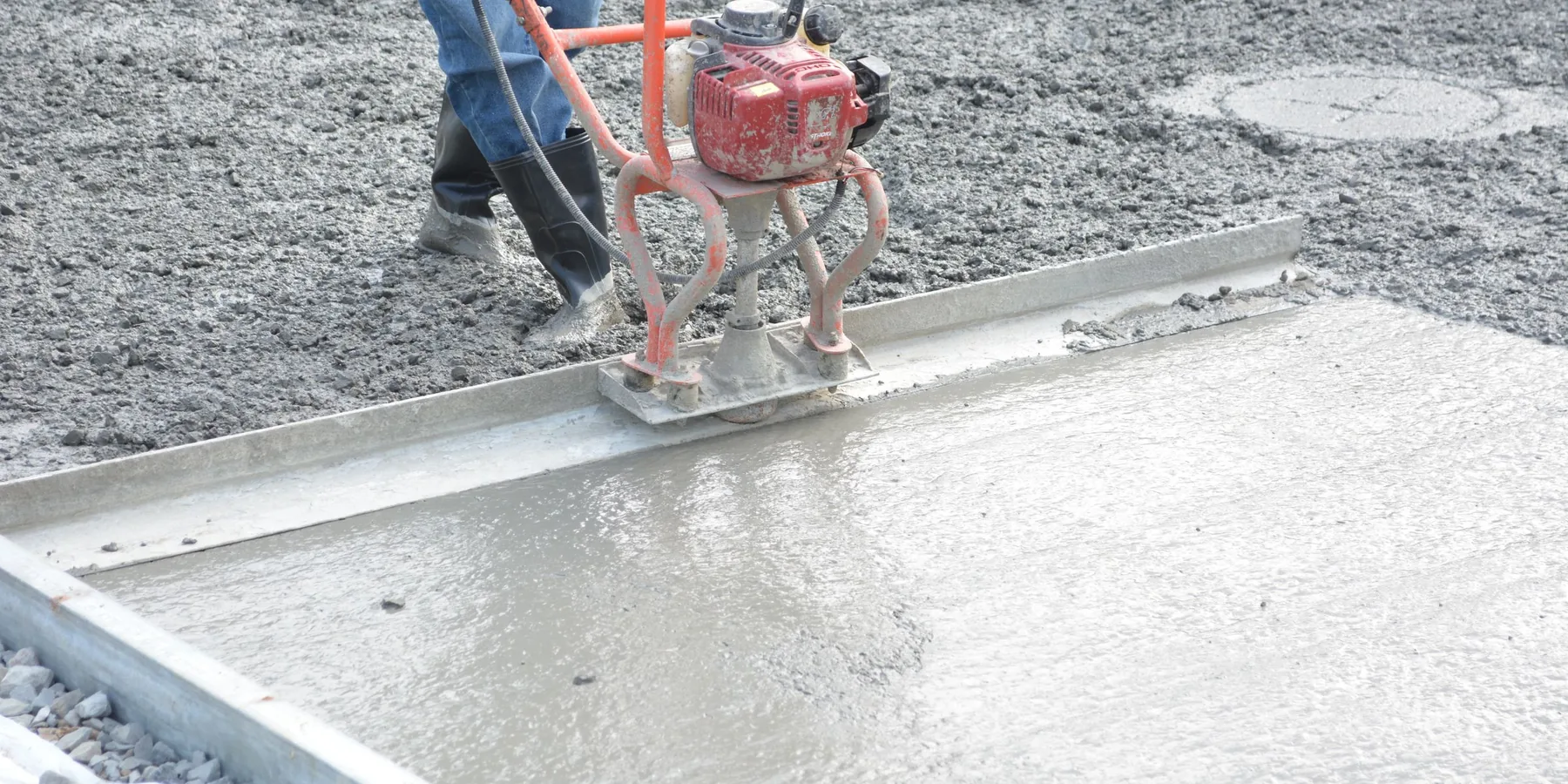
Self-leveling calculator
Self leveling
concrete calculator
Underlayment is poured to fix a floor that is not flat, so the depth is never the same across the room. Enter the thin end and the deep end and this works from the average — plus the primer, which the bag count on its own always forgets.
Enter measurements ↓Optional
What will it cost?
Every material the calculator worked out gets its own price. Each field starts at a typical US figure so you have something to work from — change any of them to what your own supplier charges.
These prices are approximate. They are national US retail figures, and what you actually pay varies with your region, your supplier, the season and how much you buy at once. Treat them as a starting point, not a quote — always price the job from your own supplier's current figures before you order.
Your prices
Spelling and terminology
Self-leveling compound, screed and underlayment
American English writes it self-leveling with one L and British, Irish and Australian English write self-levelling with two. Same product, same calculation. US suppliers tend to call it floor underlayment or leveling compound; UK and Australian suppliers call it levelling screed or latex screed.
One word is worth being careful with. In the US, screed usually means the tool or the act of striking off a surface. In the UK and Australia a screed is the layer itself — a sand-and-cement or flowing anhydrite topping, often 40 to 75 mm thick, which is a different product from a 3 to 10 mm self-levelling compound and is not what this page sizes.
Coverage is quoted differently in each market but works out the same: US bags state square feet at 1⁄4 in, metric bags state kilograms per square metre per millimetre. A typical 50 lb bag covers about 24 sq ft at 1⁄4 in, which is 1.6 kg per m² per mm — the figure a metric datasheet would print.
More in this series
Put these figures to work
Sizing one part of a pour is easier when the slab itself is settled. Start with the main estimate, then come back for the detail.
- Concrete Calculator Concrete volume, ready-mix bags, gravel base and rebar
- Rebar Calculator Grid bars, lap splices, tie wire and steel weight
- Post Hole Concrete Calculator Concrete per hole, bags, gravel base and total yards
- Fence Calculator Posts, rails, pickets or rolls, gates, and concrete per post with bags, by fence style and height
- Concrete Footing Calculator Piers, bell footings, strip footings, form tubes and yards
- Concrete Steps Calculator Stepped volume, landing slab, bags and cubic yards
- Concrete Removal Cost Calculator Debris weight, dumpsters and demolition cost
- Concrete Bag Yields and Mix Ratios Bag yields, mix proportions and strength classes in one table
- Self-Leveling Concrete Thickness Minimum and maximum pour depth, gravel fills, and bags per 100 sq ft by thickness
- Concrete Curing and Drying Times When you can walk, load and drive on new concrete, how temperature changes it, and how long mortar takes
- Concrete Weight per Cubic Foot and Yard What a cubic foot, a cubic yard and a slab of concrete weigh, by type and thickness, and what a truck carries
- Fence Post Depth, Spacing and Sizes How deep to set a fence post by fence height, how far apart posts go by style, 4×4 or 6×6, bags of concrete per post, and how long each wood lasts
Tools for the job
What makes this job easier
Tools and materials that suit this kind of job. These are affiliate links: if you buy through one, Renovimo may earn a commission at no extra cost to you. It never changes the figures on this page.
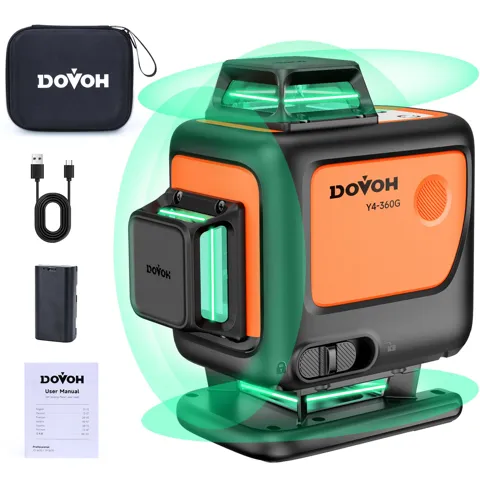 Dovoh
4 × 360° floor laser level
Lines on the floor and all four walls at once: square layout lines and a level reference around the room.
Check price
Dovoh
4 × 360° floor laser level
Lines on the floor and all four walls at once: square layout lines and a level reference around the room.
Check price
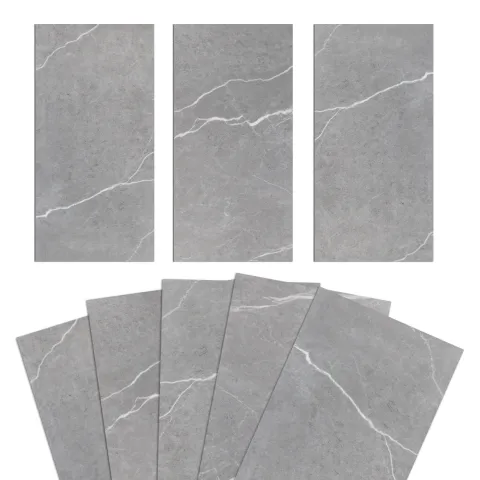 Jeedeson
Peel-and-stick vinyl tile, 12 × 24 in
Goes straight onto a flat, primed floor — 60 sq ft per case.
Check price
Jeedeson
Peel-and-stick vinyl tile, 12 × 24 in
Goes straight onto a flat, primed floor — 60 sq ft per case.
Check price
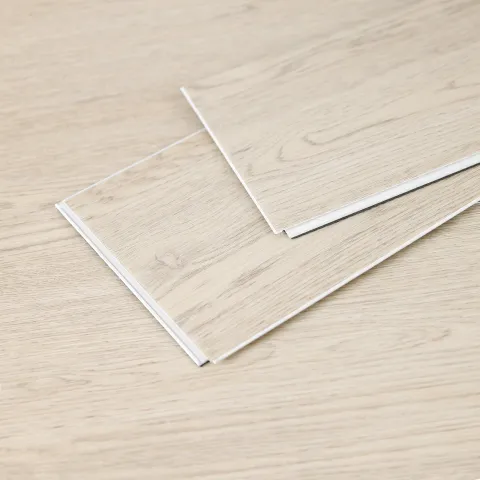 Jeedeson
SPC click-lock plank
Rigid-core, waterproof vinyl plank for kitchens and basements.
Check price
Jeedeson
SPC click-lock plank
Rigid-core, waterproof vinyl plank for kitchens and basements.
Check price
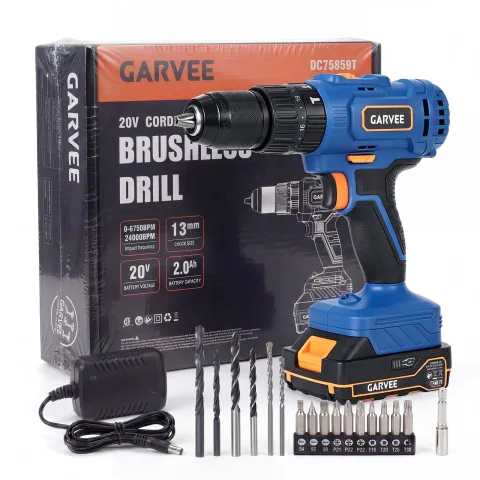 Garvee
20V cordless hammer drill
Drills masonry and concrete for anchors, and drives screws everywhere else.
Check price
Garvee
20V cordless hammer drill
Drills masonry and concrete for anchors, and drives screws everywhere else.
Check price
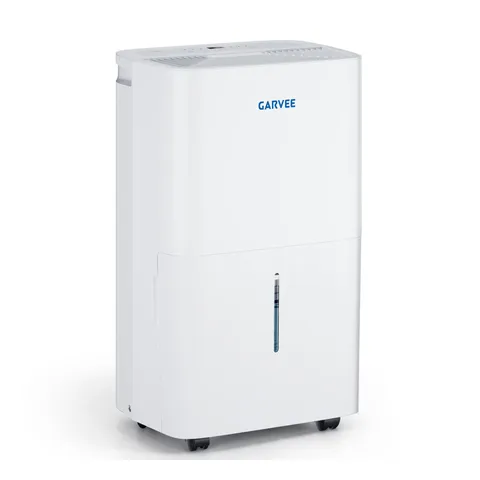 Garvee
Dehumidifier, 50 pint
Pulls the water out of a room so slabs, mud and new floors dry on schedule.
Check price
Garvee
Dehumidifier, 50 pint
Pulls the water out of a room so slabs, mud and new floors dry on schedule.
Check price
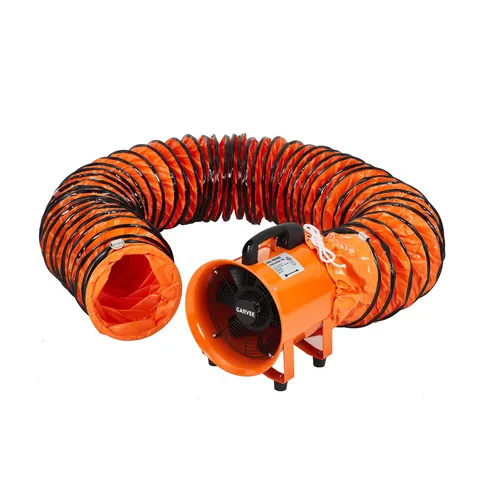 Garvee
Utility blower fan, 10 in
Moves air across a wet slab, fresh mud or new finish so it dries evenly.
Check price
Garvee
Utility blower fan, 10 in
Moves air across a wet slab, fresh mud or new finish so it dries evenly.
Check price
Not the tool you were after? Browse the whole range at Dovoh, Jeedeson or Garvee — the stores these picks come from.
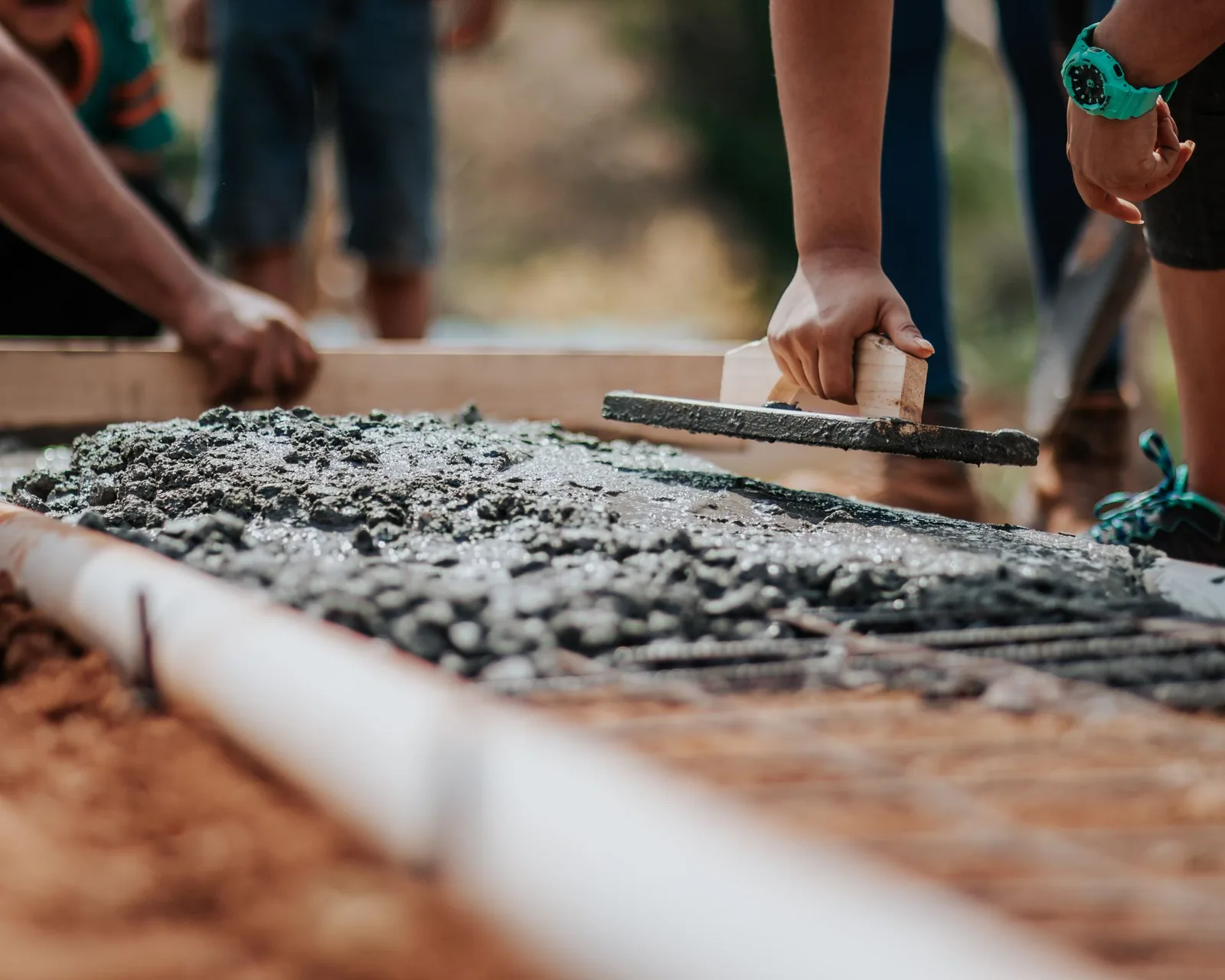
Based on your result
What you'll need
Quantities update after every calculation. Buy every bag before you start — underlayment sets in about fifteen minutes, and a run to the store mid-pour leaves a cold joint.
- Leveling compound
- Bags to reach the average depth
- Calculate above
- Primer Amazon
- Seals the slab so the pour does not flash off
- —
- Mixing gear
- Paddle mixer, two buckets, gauge rake
- As needed
- Perimeter foam Amazon
- Stops the pour bonding to walls and door frames
- —
As an Amazon Associate I earn from qualifying purchases.
Worked example
How much self leveler do I need?
How much does a 50 lb bag of self leveler cover? A 50 lb bag covers about 43 sq ft at ⅛ in, 22 sq ft at ¼ in and 11 sq ft at ½ in (coverage table below).
A concrete leveler is sold by the bag and poured to a depth, so the answer is always the same two steps: find the average depth, then divide the volume by what one bag yields. Take the room the calculator opens with: 16 by 12.5 feet, so 200 square feet, with a straightedge showing an eighth of an inch at the high side and three quarters of an inch in the dip.
- 1. Average depth — (0.125 + 0.75) ÷ 2 = 0.44 in
- 2. Volume — 200 sq ft × 0.44 ÷ 12 = 7.3 cubic feet
- 3. Add 10 % waste — 7.3 × 1.1 = 8.0 cubic feet
- 4. Divide by bag yield — 8.0 ÷ 0.45 = 17.8, so 18 bags
- 5. Primer — 200 sq ft at 250 sq ft a gallon: 1 gallon
Had you taken the bag's headline coverage at an eighth of an inch, you would have bought five bags and run out a quarter of the way across. That gap is the whole reason to measure both ends. As a rule of thumb, every eighth of an inch of average depth costs about two and a half bags per hundred square feet, waste included — the coverage table below gives the exact figure for each depth.
Bags of self leveler by room size and depth
50 lb bags at 0.45 cubic feet each, with 10 % added. Read the depth as the average across the floor, not the deepest point.
| Floor | ⅛ in | ¼ in | ½ in | ¾ in |
|---|---|---|---|---|
| 40 sq ft · Half bath | 2 | 3 | 5 | 7 |
| 60 sq ft · Bathroom | 2 | 4 | 7 | 10 |
| 120 sq ft · Kitchen | 4 | 7 | 13 | 19 |
| 200 sq ft · Large room | 6 | 11 | 21 | 31 |
| 400 sq ft · Basement | 11 | 21 | 41 | 62 |
Small rooms are where a spare bag matters most. A bathroom takes only a handful, but each batch sets in about fifteen minutes, and a second trip to the store halfway through leaves a ridge you will feel under tile. Buy one more than the table says and return it unopened.
What goes on top decides how flat is flat enough
Every floor covering has a flatness limit, usually written as a maximum gap under a 10 ft straightedge, and it is that number, not appearance, that decides whether a floor needs leveling at all. Large-format tile is the least forgiving: tiles with a side over 15 inches are commonly held to about ⅛ in in 10 ft, and anything worse shows as lippage. Click-together laminate and vinyl plank tolerate a little more, but a dip under a joint lets it flex until the lock breaks. Carpet hides almost anything.
Check the installation sheet for the product you are laying, then size the rest of the job with the tile calculator, the vinyl plank calculator or the laminate calculator. The same floor area carries straight across.
The maths
How this self leveling concrete calculator works
The bag tells you coverage at one depth, usually an eighth of an inch. Your floor is not at one depth — that is why you are leveling it. Averaging the thin end and the deep end turns the slope into a single figure the bag count can use.
volume = area × (average depth ÷ 12)
bags = ⌈ volume × waste ÷ bag yield ⌉
coverage = bag yield ÷ (depth ÷ 12)
Self leveler coverage per 50 lb bag by depth
| Depth | Area per bag | Bags per 100 sq ft |
|---|---|---|
| 1/8 in | 43.2 sq ft | 3 |
| 1/4 in | 21.6 sq ft | 5 |
| 3/8 in | 14.4 sq ft | 7 |
| 1/2 in | 10.8 sq ft | 10 |
| 3/4 in | 7.2 sq ft | 14 |
| 1 in | 5.4 sq ft | 19 |
Figures for a 50 lb bag yielding 0.45 cubic feet. Brands vary between about 0.42 and 0.50 — the selector above follows yours.
-
01
Find the low point first
Lay a long straightedge across the floor and measure the biggest gap under it. That gap is the depth in the dip; the high point is where the straightedge touches.
-
02
Average the two ends
A floor running from an eighth of an inch to three quarters averages 0.44 inches — nearly four times the coverage a bag quotes at its headline depth.
-
03
Prime, always
Bare concrete drinks the water out of the mix and it flashes off before it flows. Primer is the step people skip and then repour.
-
04
Buy it all up front
Underlayment stays workable for roughly fifteen minutes. Mixing the last batch late leaves a visible cold joint you cannot sand out.
Good to know
Self-leveling questions, answered
A 50 lb bag yields about 0.45 cubic feet, which covers 43 square feet at an eighth of an inch or 11 square feet at half an inch. A 200 square foot floor averaging a quarter inch takes about ten bags.
Lay a straightedge across the worst run and measure the largest gap beneath it. That is the depth in the dip. The high point is wherever the straightedge touches, which is usually an eighth of an inch of minimum coverage rather than zero.
Most products go to about an inch neat, and one to two inches when gauged with pea gravel. Deeper than that needs a second lift after the first has set, or a sand and cement screed instead.
Yes on concrete, and yes on plywood. Unprimed slabs pull the water out of the mix so it stops flowing and sets rough, and trapped air rises through as pinholes. Primer costs a fraction of a repour.
Over a sound, well-fastened subfloor, with the right primer and usually a reinforcing mesh, yes. Deflection is the enemy — if the floor moves underfoot, the underlayment will crack no matter how it is primed.
Light foot traffic in two to four hours for most rapid-set products, and tile or vinyl over it after 16 to 24 hours. Check the bag, since the range across brands is wide.
It flows and finds its own level, but it will not travel far on its own. Pour in ribbons across the floor and help it out with a gauge rake, then break the surface tension with a spiked roller.
A 50 lb bag runs about $22 to $55, so the 18 bags a 200 square foot floor needs at an average of 7/16 of an inch come to roughly $396 to $990 in compound, plus a gallon or so of primer. Hiring the pour adds about $1.50 to $4.00 per square foot in labor. The cost panel above prices your own result.
A 60 square foot bathroom floor takes 2 bags at an average of an eighth of an inch, 4 at a quarter and 7 at half an inch, with 10 percent added. Buy one spare: small pours set quickly and there is no time to fetch another bag.