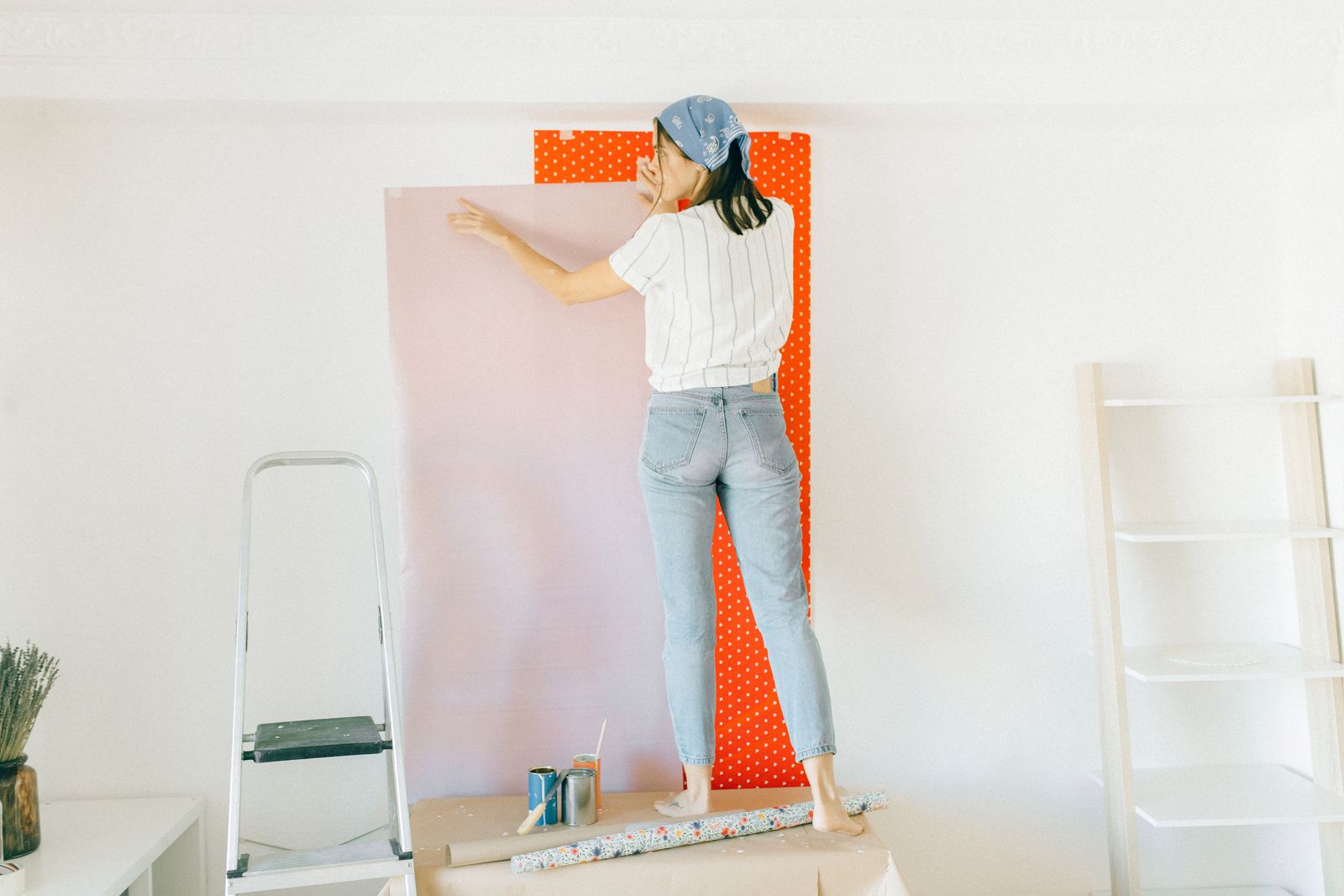
Wallpaper calculator
Wallpaper roll
calculator
Calculate wallpaper rolls for one to four walls using your roll size and pattern repeat. Doors and windows are deducted, matching waste is included, and the selected colour and texture appear in 3D.
Enter measurements ↓Optional
What will it cost?
Every material the calculator worked out gets its own price. Each field starts at a typical US figure so you have something to work from — change any of them to what your own supplier charges.
These prices are approximate. They are national US retail figures, and what you actually pay varies with your region, your supplier, the season and how much you buy at once. Treat them as a starting point, not a quote — always price the job from your own supplier's current figures before you order.
Your prices
Tools for the job
What makes this job easier
Tools and materials that suit this kind of job. These are affiliate links: if you buy through one, Renovimo may earn a commission at no extra cost to you. It never changes the figures on this page.
 York Wallcoverings
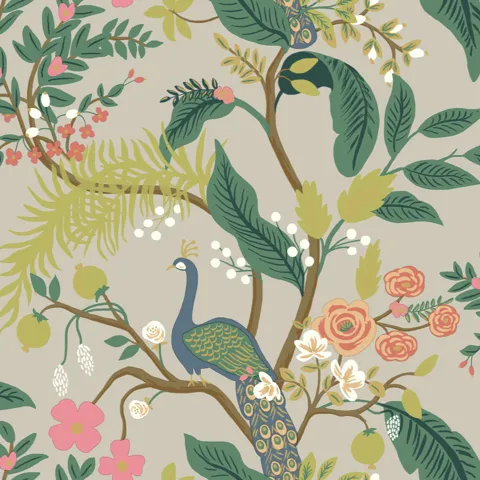
Rifle Paper Co. Peacock wallpaper
A 27 in × 27 ft double roll, about 60 sq ft before the pattern repeat takes its share.
Check price
York Wallcoverings
Rifle Paper Co. Peacock wallpaper
A 27 in × 27 ft double roll, about 60 sq ft before the pattern repeat takes its share.
Check price
 York Wallcoverings
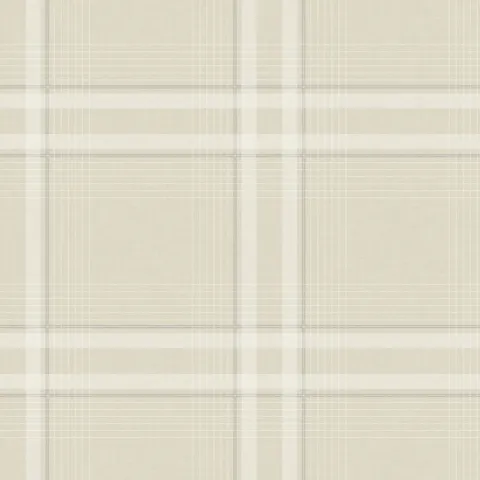
Faux linen plaid wallpaper
A small, forgiving pattern: little waste at the match and seams that hide well.
Check price
York Wallcoverings
Faux linen plaid wallpaper
A small, forgiving pattern: little waste at the match and seams that hide well.
Check price
 York Wallcoverings
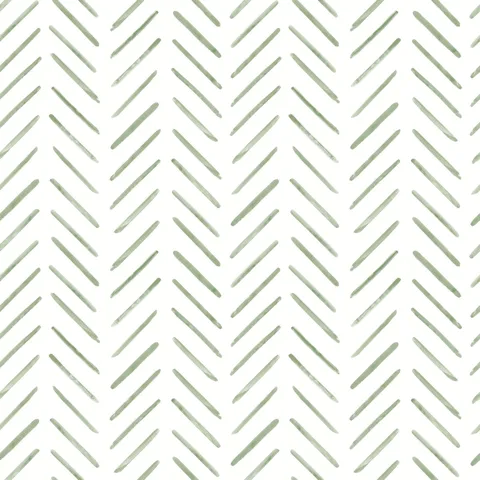
Peel-and-stick herringbone wallpaper
No paste and no soaking, and it comes off a rental wall cleanly.
Check price
York Wallcoverings
Peel-and-stick herringbone wallpaper
No paste and no soaking, and it comes off a rental wall cleanly.
Check price
 York Wallcoverings
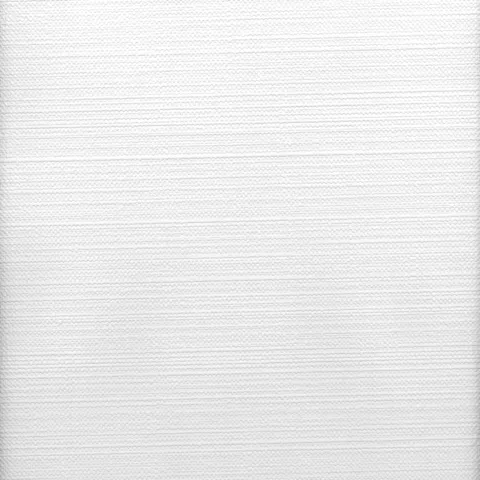
Paintable textured wallpaper
Hides a rough or patched wall under a texture you then paint any colour.
Check price
York Wallcoverings
Paintable textured wallpaper
Hides a rough or patched wall under a texture you then paint any colour.
Check price
 Dovoh
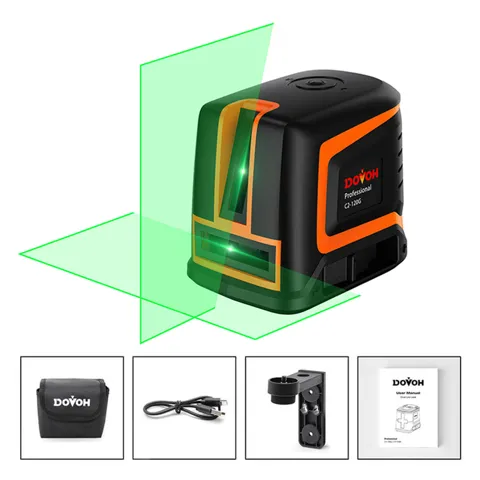
Cross-line laser level, green
Throws a true plumb line for the first strip and a level line for a border or a tile row.
Check price
Dovoh
Cross-line laser level, green
Throws a true plumb line for the first strip and a level line for a border or a tile row.
Check price
 Garvee
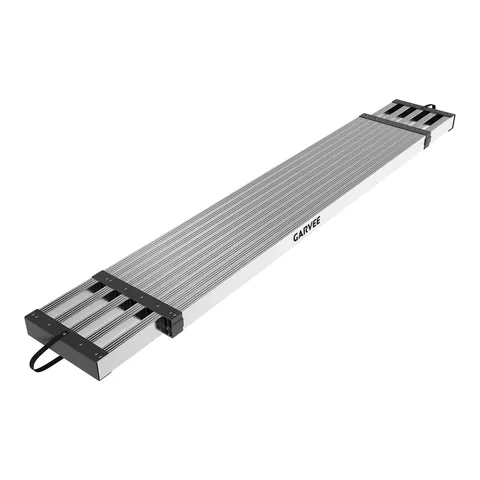
Telescoping scaffold plank, 69–112 in
Spans two ladders for ceilings, crown and the top of the wall.
Check price
Garvee
Telescoping scaffold plank, 69–112 in
Spans two ladders for ceilings, crown and the top of the wall.
Check price
Not the tool you were after? Browse the whole range at York Wallcoverings, Dovoh or Garvee — the stores these picks come from.
Based on your result
What you'll need
Quantities update after every calculation. Always buy every roll from the same batch so the colour matches across the wall.
- Wallpaper
- Rolls including pattern repeat and waste
- Calculate above
- Wallpaper paste Amazon
- Adhesive to hang every roll
- —
- Smoothing tools Amazon
- Brush, seam roller and sponge
- 1 set
- Trimming knife Amazon
- A sharp blade for clean edges
- 1 tool
As an Amazon Associate I earn from qualifying purchases.
The maths
Wallpaper calculator with pattern repeat
We work in full-height strips rather than area, because that is how wallpaper actually hangs. The pattern repeat rounds each drop up so the design lines up, then we count how many strips each wall needs and how many strips you get from one roll — and turn that into whole rolls with waste added.
strips = Σ ⌈ wall width ÷ roll width ⌉
strips / roll = ⌊ roll length ÷ drop ⌋
rolls = ⌈ strips × waste ÷ strips per roll ⌉
- 10–20%
- waste (you choose)
- repeat
- lengthens each drop
- full drops
- kept over openings
- 1 pack
- paste per 5 rolls
- same batch
- for colour match
- ft ↔ m
- converted automatically
-
01
Measure the walls
Enter each wall you are papering and the room height — the strips are counted wall by wall.
-
02
Match the pattern
The repeat rounds every drop up to the next full pattern, so seams line up across the room.
-
03
Count the strips
Each wall’s width is divided by the roll width to give the number of full-height strips it needs.
-
04
Fit strips to a roll
Roll length divided by the drop tells us how many usable strips come out of one roll.
-
05
Add waste and round up
Strips are padded 10–20% and divided by strips-per-roll, then rounded up to whole rolls.
Good to know
Wallpaper questions, answered
Take a 12 ft wide, 8 ft high wall with a 20.5 in × 33 ft roll and a 21 in repeat. The drop rounds up to 5 repeats, 105 in (8.75 ft). The wall needs ⌈144 in ÷ 20.5 in⌉ = 8 strips, and one roll gives ⌊33 ft ÷ 8.75 ft⌋ = 3 of them. With 10% waste that is ⌈8 × 1.1 ÷ 3⌉ = 3 rolls. Doors and windows are not deducted from the strip count, because full drops are kept over openings.
To line up a design, every strip has to start at the same point in the pattern, so each drop is rounded up to the next full repeat. A large repeat wastes more at the top of every strip, which is why a bold pattern needs more rolls than a plain paper of the same size.
A drop is one full-height strip of wallpaper, cut to the room height plus enough to match the pattern and trim top and bottom. The number of drops you get from a roll depends on the roll length divided by that drop length.
Usually only a little. You still hang full drops across a wall and cut around the opening, and the offcut above or below a door rarely yields another usable full strip. We keep full drops so the pattern stays matched, which is the safe approach.
As a rule of thumb, one tub covers about five rolls, so the calculator rounds up on that basis. Paste-the-wall papers can use a little more; always check the specific paper’s instructions, as some come pre-pasted and need none.
It is wise. Buying one spare from the same batch means you can repair a scuff or damaged strip years later without a visible colour difference — dye lots vary between print runs, so matching later is difficult.
A standard North American roll is about 20.5 inches wide and 33 feet long; a European roll is roughly 53 cm by 10 m. Use the figures printed on your chosen paper — width and length both change how many strips you get.
Yes. Switch to metres and the wall dimensions and roll length convert automatically, while roll width and pattern repeat stay in the units printed on the roll. Results are shown for your chosen system.