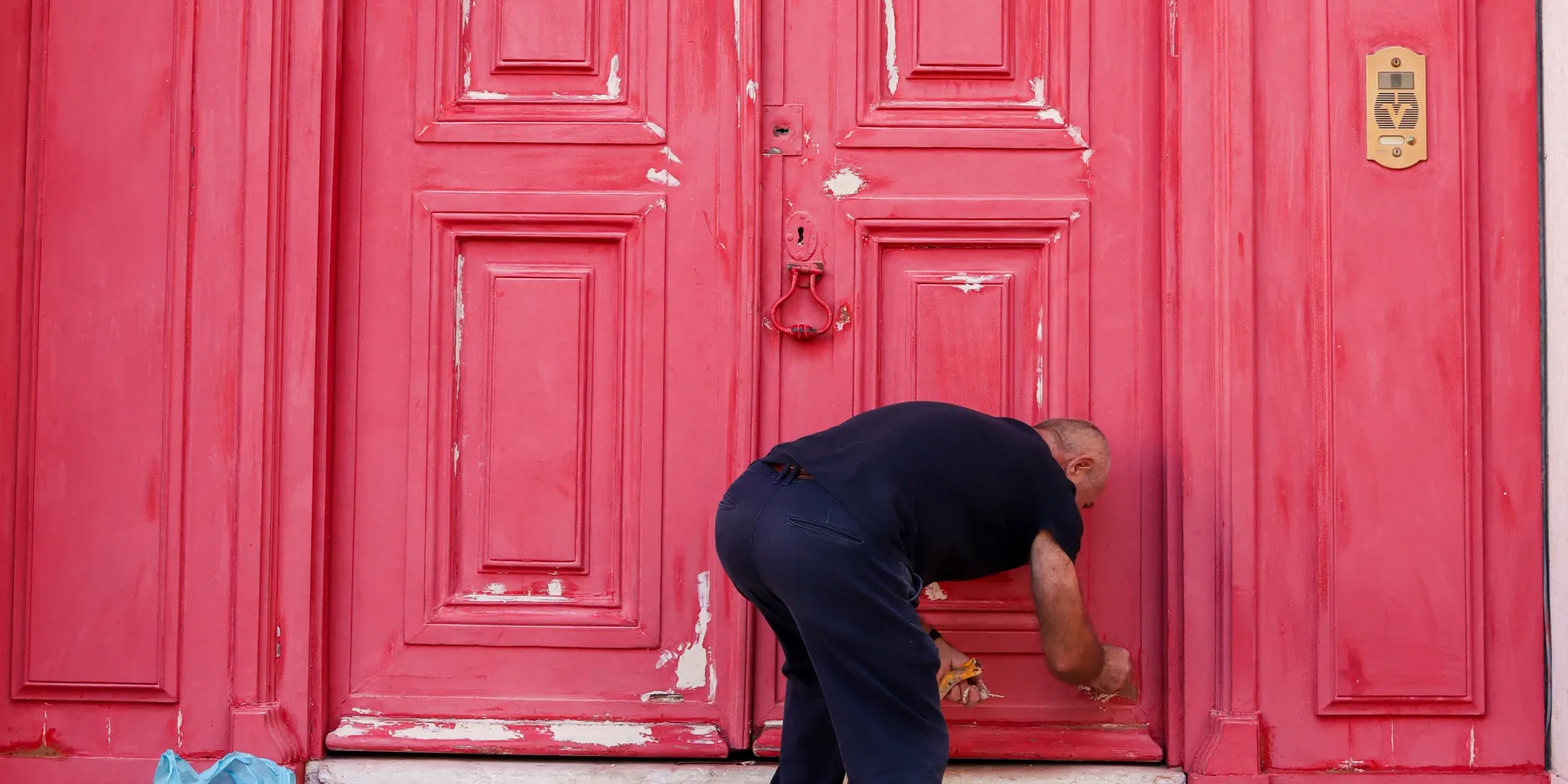
Door paint calculator
Door paint calculator:
quarts for one door or a houseful
A door is twenty square feet a side, and a gallon is the classic over-buy. Enter each door with its size and sides, say whether it is flat or paneled, and get the enamel in quarts.
Enter the doorsOptional
What will it cost?
Every material the calculator worked out gets its own price. Each field starts at a typical US figure so you have something to work from — change any of them to what your own supplier charges.
These prices are approximate. They are national US retail figures, and what you actually pay varies with your region, your supplier, the season and how much you buy at once. Treat them as a starting point, not a quote — always price the job from your own supplier's current figures before you order.
Your prices
More in this series
The rest of the paint job
Each surface is bought as a different product. Work out the ones you are doing before the trip to the store.
- Paint Calculator Wall and ceiling paint, primer, rollers and tape
- Ceiling Paint Calculator Ceiling paint, stain-blocking primer, roller covers and tape
- Exterior Paint Calculator Gallons of exterior paint and primer by siding type, trim paint, rollers, brushes and tape
- Siding Calculator Squares of siding, panels and boxes of vinyl or planks of fiber cement, J-channel, starter strip, corner posts and nails
- Trim Paint Calculator Quarts of trim enamel and primer for baseboards, casing and crown by the linear foot, brushes, tape and caulk
- Cabinet Paint Calculator Quarts of cabinet enamel and primer for doors, drawers and frames, foam rollers, brushes and degreaser
- Fence Stain Calculator Gallons of stain or paint for both sides of a fence and its posts, by fence type and wood condition
- Primer Calculator Gallons of primer by surface and primer type, with the coats each surface needs, rollers and brushes
- Paint Coverage per Gallon What a gallon covers on each surface, and gallons for common rooms
- Paint Sheen Chart Flat to gloss: durability, where each finish belongs, and the comparisons
- Paint Drying and Recoat Times Dry to the touch, recoat and cure times for latex, oil-based, primer, polyurethane and stain, and how weather changes them
- Spray Paint Drying Times Dry, handle, recoat and cure times for spray paint by type and surface, and how many cans a job takes
- How Many Coats of Paint and Primer Coats by color change and surface, how long to wait between coats, and coats of polyurethane and stain
- Primer Coats and Coverage How many coats of primer each surface needs, coverage per gallon by primer type, and how long each takes to dry
- Vinyl Siding Sizes and Squares What a square of siding is, vinyl panel lengths and pieces per box, Hardie and LP plank sizes, and trim per square
- Paint Can Sizes and Weights What a quart, gallon and 5 gallon bucket of paint weigh and how many square feet each one covers
Tools for the job
What makes this job easier
Tools and materials that suit this kind of job. These are affiliate links: if you buy through one, Renovimo may earn a commission at no extra cost to you. It never changes the figures on this page.
 Garvee
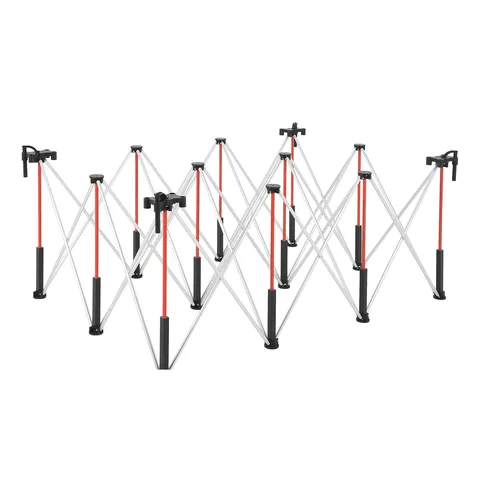
Folding workbench, 6 × 4 ft
A big flat stand to lay doors and cabinet faces on, so you can paint and dry them level.
Check price
 Garvee
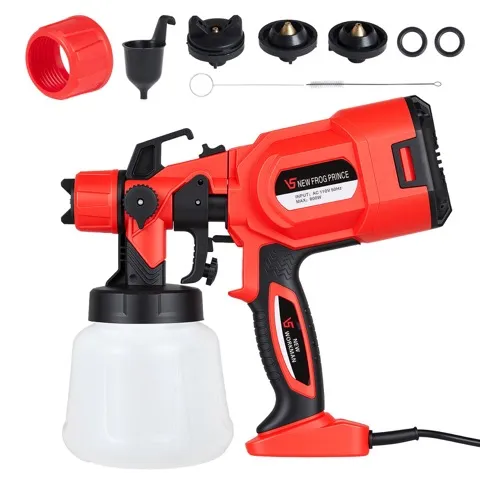
Handheld paint sprayer, 850 W
Three nozzles for fine detail up to flat doors and cabinet faces, with an even finish and no brush marks.
Check price
 Garvee
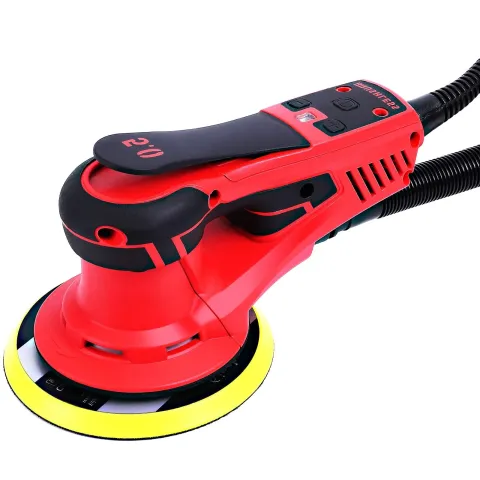
6 in random orbital sander
Smooths stair treads, rails and trim before finishing.
Check price
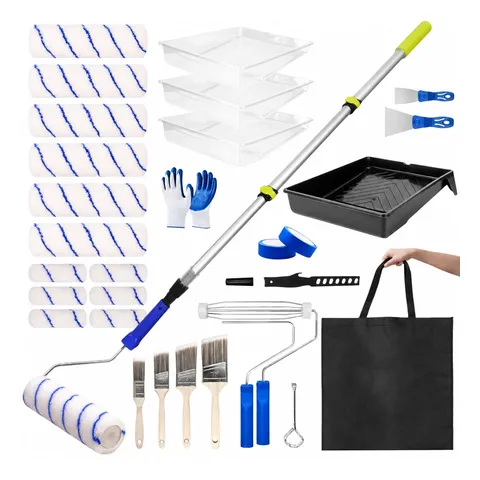 Garvee
Pro paint roller kit, 32 pieces
9 in and 4 in rollers on a telescoping pole, for walls and ceilings without a ladder.
Check price
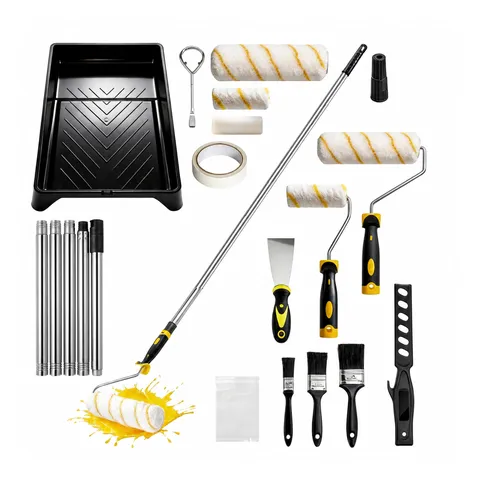 Garvee
House painting kit, 25 pieces
Rollers, tray, pole and drop cloth for one room — the kit the gallon count assumes you already own.
Check price
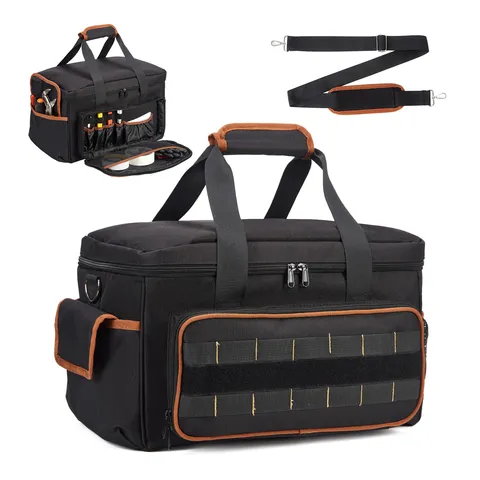 Garvee
Tool bag, 17 in
Keeps the tape, knife, screws and chalk line together on the job.
Check price
Not the tool you were after? Browse the whole range at Garvee — the store these picks come from.
Based on your result
What you'll need
Quantities update after every calculation. Roll the flat areas, brush the panel edges, and lay the door flat on sawhorses if you can: it cuts runs.
- Door and trim enamel
- Quarts for every coat, satin or semi-gloss
- Calculate above
- Bonding primer
- Only for bare wood, MDF or a glossy old finish
- —
- Angled sash brush Amazon
- 2 in, for panel edges, profiles and the frame
- 1 brush
- 4 in foam rollers Amazon
- For flat faces and panels, about one per six doors
- —
- Painter's tape Amazon
- Around hinges, glass and the wall edge
- 1 roll
As an Amazon Associate I earn from qualifying purchases.
The maths
How much paint for a door?
A door face is its width times its height, adjusted for what the paint actually reaches: panels add relief, glass takes area away. Add the sides, add the frames, apply the coats and divide by what a gallon of enamel covers. Because a door is small, the answer is bought in quarts.
doors = Σ count × face × sides + frames × 4.5
quarts = ⌈ doors × coats ÷ 350 × 4 ⌉
Bonding primer for a bare or glossy door is counted at 250 sq ft per gallon; the primer calculator works with each primer type's own coverage.
- ×1.00
- flush slab
- ×1.20
- panel door
- ×0.60
- French or glass-lite
- 01
Count the doors and note the size
Interior slabs are 30, 32 or 36 in wide and 80 in tall; most front doors are 36 × 80. Each row of the calculator takes its own size, so a narrow bathroom door and a double door never share one.
- 02
Decide one side or both
A door painted on both faces has twice the area. The outside face of an entry door takes exterior enamel, not the interior enamel counted here, so set the front door to one side and buy the outside separately.
- 03
Flat, panel or glass
A six-panel door has about 20% more surface than a flush slab from the panel relief, while a French door with glass is only about 60% paintable once the panes are taped off.
- 04
Add the frames by the door
Two jambs and a head come to about 4–6 sq ft per door, and the calculator counts 4.5. Tick the frame box and it is counted for every door in that row.
Coverage
Door paint calculator for interior and front doors
Quarts of enamel for two coats at 350 sq ft a gallon, for the jobs people ask about most. Every door is 80 in tall, interior rows are 32 in wide and the front door 36 in, and panel doors carry the 1.2 relief factor.
| Job | Surface | Exact | Buy |
|---|---|---|---|
| One interior door, flush, both sides, no frame | 35.6 sq ft | 0.81 qt | 1 quart |
| One front door, panel, one side, with frame | 28.5 sq ft | 0.65 qt | 1 quart |
| Six interior doors, panel, both sides, with frames | 283.0 sq ft | 6.47 qt | 2 gallons |
| A whole house of ten flush doors, both sides, with frames | 400.6 sq ft | 9.16 qt | 2 gallons + 2 quarts |
The casing around the door is trim, counted by the foot in the trim paint calculator. Painting the cabinet doors in the kitchen? Use the cabinet paint calculator. Waiting between coats? See paint drying and recoat times.
Good to know
Door paint questions, answered
One side of a flush 36 × 80 door takes under half a quart for two coats, so one quart does it. Both sides of a panel door with its frame come to about 1.2 quarts, so buy two quarts.
Six flush 32 × 80 doors painted on both sides, frames included, cover about 240 square feet. Two coats take about 5.5 quarts, so buy 6 quarts, which is a gallon and two quarts. With six-panel doors the same job runs to 7 quarts, and two gallons cost less than a gallon and three quarts.
Count in quarts. One to three quarts is a quart-size job, at four quarts you are buying a gallon anyway, and three quarts over a gallon are cheaper as one more gallon. Ten doors painted on both sides with frames need about 9.2 quarts, so 2 gallons and 2 quarts.
A satin or semi-gloss enamel, ideally a waterborne alkyd. It levels out smooth, cures hard enough to resist handling and scuffs, and wipes clean. Flat wall paint marks too easily on a door.
Bare wood, MDF or a glossy old finish needs primer, and so does a big color change. A sound painted door does not: clean it, scuff it lightly and go straight to the enamel.
Waterborne alkyd is ready to recoat after about 16 hours, so plan a door as a two-day job and keep it propped open for a day or two so it does not stick to the stops. Our paint drying and recoat times guide has the full chart.
Both. A 4 in foam roller leaves a smooth finish on flat faces and panels, and an angled brush handles the panel edges and profiles. One foam roller covers about six doors.