Reference
How long does spray paint take to dry
Aerosol paint dries fast on the surface and slowly underneath, which is why the recoat rule on the can is a window, not a minimum: add the next coat while the first is still soft, or wait until it has hardened all the way through.
How long does spray paint take to dry? 20 minutes to the touch, 1 hour to handle, 24 hours to cure for general-purpose paint. Recoat within 1 hour, or after 48 hours.
How long does spray paint take to dry: spray paint drying time by brand and type
| Spray paint | Dry to touch | Dry to handle | Recoat | Full cure | Hard enough for use |
|---|---|---|---|---|---|
| General-purpose (Rust-Oleum 2X Ultra Cover) | 20 minutes | 1 hour | within 1 hour, or after 48 hours | 24 hours | 5–7 days |
| General-purpose (Krylon COLORmaxx) | 20 minutes | 1 hour | within 2 hours, or after 48 hours | 24 hours | 5–7 days |
| Protective enamel (Stops Rust, Rust Protector) | 2–4 hours | 5–9 hours | within 1 hour, or after 48 hours | 24–48 hours | — |
| Paint for plastic (Krylon Fusion) | 20 minutes | 1 hour | within 2 hours, or after 24 hours | 7 days | — |
| Spray primer | 10 minutes | 30 minutes | after 1 hour | 1 hour to topcoat; 24 hours to sand | — |
| High-heat enamel | 30 minutes | 1–2 hours | within 1 hour, or after 48 hours | heat-cure per sheet | — |
| Lacquer | 10 minutes | 30 minutes | any time after dry to touch | 24 hours | — |
How long between coats of spray paint
Most enamels follow one rule: recoat within 1 hour, or after 48 hours. Between those two points the first coat is skinned over but soft underneath, and a fresh coat on top wrinkles it. Lacquers are the exception and can be recoated any time once dry to the touch.
Drying time by surface
| Metal | Fastest. Prime bare metal; enamel cures slower on cold metal. |
| Wood | Bare wood drinks the first coat; allow a second within the recoat window. |
| Plastic | Needs a plastic-bonding paint; full adhesion takes a week. |
| Glass and ceramic | Slow to grip; keep coats thin and let each dry fully. |
How many cans of spray paint do I need
Makers give 8–12 square feet per 12 oz can, and overspray eats into that, so this table counts on a can that covers about 10 square feet in one coat. Two coats is the norm, three on bare or dark surfaces.
| Area | One coat | Two coats | Three coats |
|---|---|---|---|
| 10 sq ft | 1 | 2 | 3 |
| 25 sq ft | 3 | 5 | 8 |
| 50 sq ft | 5 | 10 | 15 |
| 100 sq ft | 10 | 20 | 30 |
| 200 sq ft | 20 | 40 | 60 |
For anything bigger than furniture, brush-and-roller paint is cheaper per square foot — the paint calculator gives the gallons.
Work out your paint →Figures: Rust-Oleum Stops Rust Protective Enamel 5-in-1 product page (touch 2–4 hours, recoat within 1 hour or after 48 hours); Rust-Oleum Painter's Touch 2X Ultra Cover product listings (touch about 20 minutes, recoat within 1 hour or after 48 hours, 8–12 sq ft per 12 oz can — this guide uses the midpoint, 10); Krylon COLORmaxx project page on krylon.com (touch 20 minutes, handle 1 hour, recoat within 2 hours or after 48 hours). Figures at 70 °F and 50% relative humidity. Other rows are typical ranges for the product type; check the can. Cold, damp air and heavy passes stretch every figure; thin coats dry faster than one heavy one.
Spray paint drying questions
How long does Rust-Oleum take to dry?
20 minutes to the touch and 1 hour to handle for 2X Ultra Cover; 2–4 hours to the touch for Stops Rust enamel, cured in 24–48 hours.
Can I apply a second coat of spray paint after 10 minutes?
Yes. Light coats a few minutes apart are what the can tells you to do; the second coat just has to go on before the window closes. The rule is within 1 hour, or after 48 hours; the time to avoid is the stretch in between.
How long does spray paint take to dry on metal?
Metal is the fastest surface: 20 minutes to the touch for general-purpose paint, 2–4 hours for rust-protective enamel.
How long does spray paint take to dry on wood?
The same as the can says, but bare wood absorbs the first coat, so plan on a second within the recoat window.
More in this series
The rest of the paint job
These charts are what every paint and exterior estimate on the site is built from: coverage, coats, drying times and the siding underneath. Each tool applies them to one surface.
- Paint Calculator Wall and ceiling paint, primer, rollers and tape
- Ceiling Paint Calculator Ceiling paint, stain-blocking primer, roller covers and tape
- Exterior Paint Calculator Gallons of exterior paint and primer by siding type, trim paint, rollers, brushes and tape
- Siding Calculator Squares of siding, panels and boxes of vinyl or planks of fiber cement, J-channel, starter strip, corner posts and nails
- Trim Paint Calculator Quarts of trim enamel and primer for baseboards, casing and crown by the linear foot, brushes, tape and caulk
- Cabinet Paint Calculator Quarts of cabinet enamel and primer for doors, drawers and frames, foam rollers, brushes and degreaser
- Fence Stain Calculator Gallons of stain or paint for both sides of a fence and its posts, by fence type and wood condition
- Primer Calculator Gallons of primer by surface and primer type, with the coats each surface needs, rollers and brushes
- Door Paint Calculator Quarts of enamel and primer for interior and front doors, one or both sides, with frames, brushes and foam rollers
- Paint Coverage per Gallon What a gallon covers on each surface, and gallons for common rooms
- Paint Sheen Chart Flat to gloss: durability, where each finish belongs, and the comparisons
- Paint Drying and Recoat Times Dry to the touch, recoat and cure times for latex, oil-based, primer, polyurethane and stain, and how weather changes them
- How Many Coats of Paint and Primer Coats by color change and surface, how long to wait between coats, and coats of polyurethane and stain
- Primer Coats and Coverage How many coats of primer each surface needs, coverage per gallon by primer type, and how long each takes to dry
- Vinyl Siding Sizes and Squares What a square of siding is, vinyl panel lengths and pieces per box, Hardie and LP plank sizes, and trim per square
- Paint Can Sizes and Weights What a quart, gallon and 5 gallon bucket of paint weigh and how many square feet each one covers
Tools for the job
What makes this job easier
Tools and materials that suit this kind of job. These are affiliate links: if you buy through one, Renovimo may earn a commission at no extra cost to you. It never changes the figures on this page.
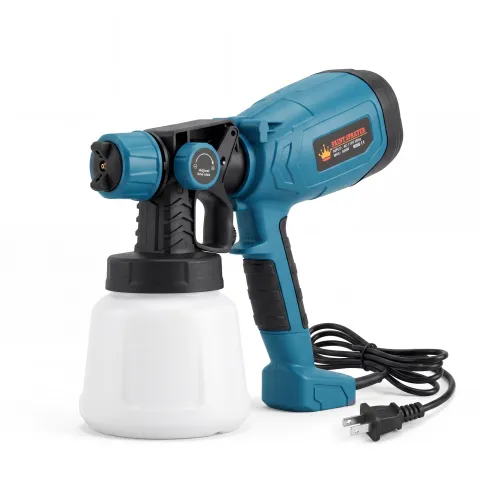 Garvee
Handheld paint sprayer
Small and cheap — right for furniture, railings, fences and deck stain.
Check price
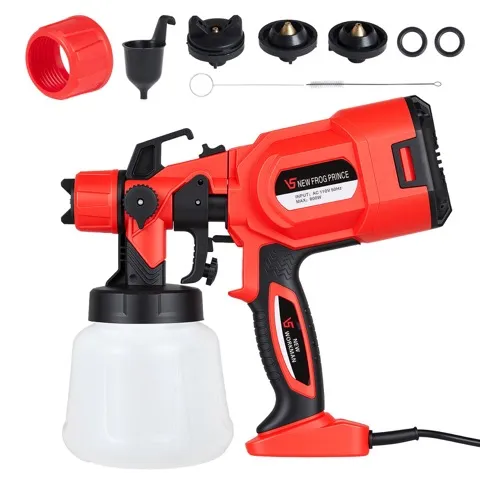 Garvee
Handheld paint sprayer, 850 W
Three nozzles for fine detail up to flat doors and cabinet faces, with an even finish and no brush marks.
Check price
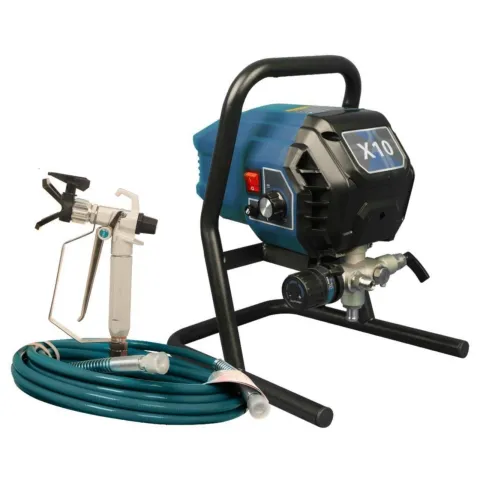 Garvee
Airless paint sprayer, 2900 PSI
Coats whole rooms, fences and siding far faster than a roller.
Check price
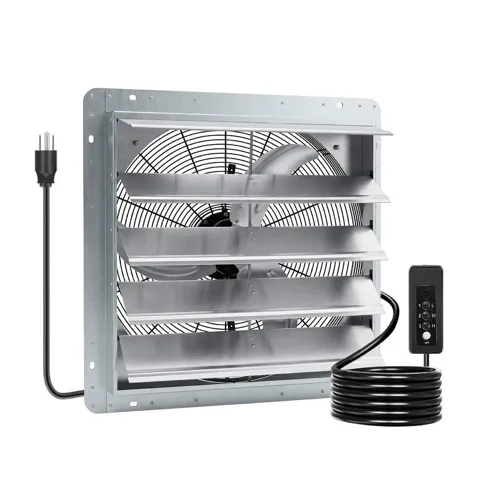 Garvee
Shutter exhaust fan, 12 in
Pulls solvent fumes and damp air out of a garage or workshop so paint and spray finishes dry sooner.
Check price
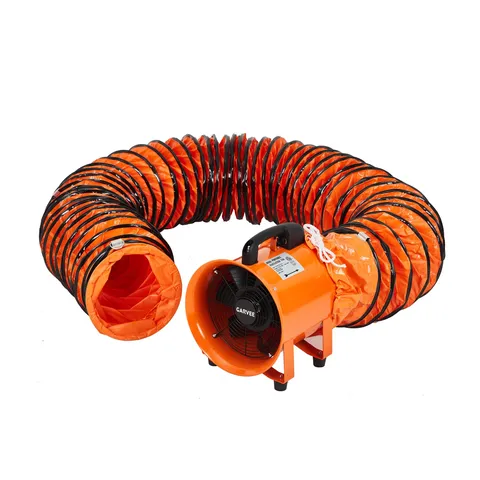 Garvee
Utility blower fan, 10 in
Moves air across a wet slab, fresh mud or new finish so it dries evenly.
Check price
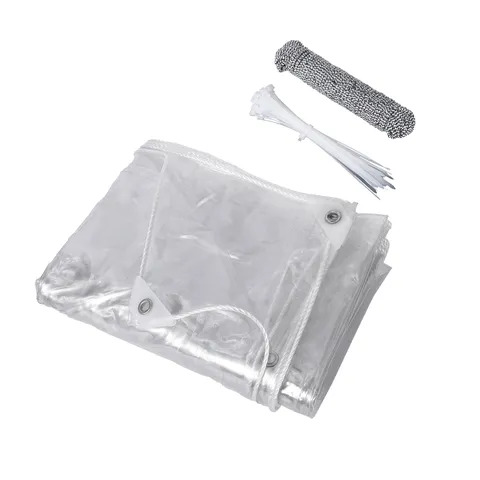 Garvee
Clear PVC tarp, 8 × 10 ft
Covers a fresh slab to cure, or keeps a lumber or drywall stack dry.
Check price
Not the tool you were after? Browse the whole range at Garvee — the store these picks come from.