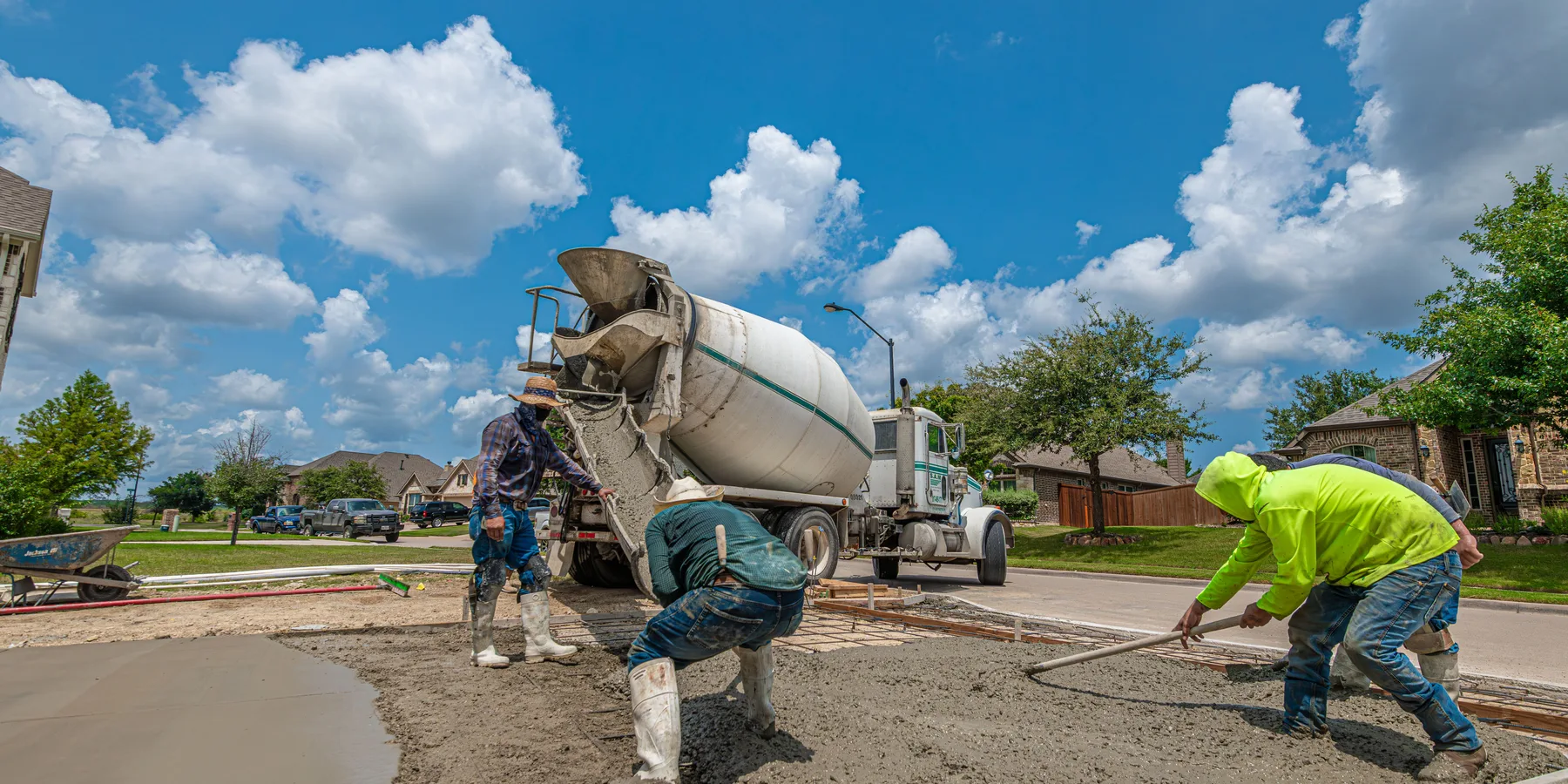
Reference
How long does concrete take to dry and cure
Concrete does not dry hard — it cures, a chemical reaction with the water in the mix that keeps going for weeks. What you really need to know is when you can walk, park and build on it — the short answer is below, the full chart after it.
How long before you can walk on concrete? 24 hours. Light loads (furniture, wheelbarrows, bikes) after 3 days, cars after 7 days, heavy trucks after 28 days, design strength at 28 days — in mild weather, with the slab kept damp.
How long does concrete take to dry vs cure
Drying is water leaving the slab; curing is water being used up by the cement. A slab that dries fast cures badly — the surface runs out of water before it has gained strength, and dusts or cracks. That is why fresh concrete is covered or misted: the goal for the first week is to keep water in, not let it out. Setting is different again: standard concrete reaches initial set in about 2–4 hours and final set in 4–8 hours at 70 °F — the window for finishing and cutting control joints.
Concrete cure time chart: how long before you can walk or drive on concrete
| Mix | Walk on | Light loads | Cars | Design strength |
|---|---|---|---|---|
| Ready-mix or standard bagged concrete | 24 hours | 3 days | 7 days | 28 days |
| Fast-setting mix (posts, small pours) | 2 hours | 1 day (heavy objects after 4 hours) | 7 days | 28 days |
| High-early-strength (5000 psi) mix | 12 hours | 1 day | 3 days | 28 days |
Heavy vehicles — trucks, RVs, a dumpster — wait 28 days on any mix.
When can you remove the forms, seal and paint
| Remove slab edge forms (forms that carry weight stay 7+ days) | after 2 days |
| Cure-and-seal acrylic | same day — same day, once the surface is hard |
| Penetrating (silane/siloxane) sealer | after 28 days |
| Paint or epoxy | after 28 days — then pass a plastic-sheet moisture test (ASTM D4263) |
Temperature and humidity: how weather changes concrete cure time
| Below 40 °F (4 °C) | Hydration slows sharply and stops near freezing; protect from freezing for the first 48 hours and expect every milestone to take two to three times longer. |
| 40–50 °F (4–10 °C) | Set and strength gain run about half speed; keep the slab covered. |
| 50–70 °F (10–21 °C) | The chart's figures apply, but keep the slab damp for 7 days instead of 5. |
| 70–85 °F (21–29 °C) | The chart's figures apply; keep damp for 5 days. |
| Above 85 °F (29 °C) | Surface dries before it cures: mist or cover within the first hour, keep damp for seven days. |
How long does mortar take to dry
| Mortar | Ready for the next step | Full cure |
|---|---|---|
| Masonry mortar (brick and block) | Tool the joints within a few hours; do not load the wall for 24 hours | 28 days |
| Thin-set under tile, standard (not rapid-set) | Grout and light foot traffic after 24 hours | 28 days |
Work out the pour itself with the concrete calculator — yards, bags and the cost.
Figure the pour →Figures: Curing periods and temperature effects: ACI 308R-16, Guide to External Curing of Concrete (7 days, or until 70% of design strength; 5 days above 70 °F per Quikrete); freeze protection: ACI 306R and the Quikrete 1101 and 1007 data sheets (protect from freezing for the first 48 hours); 28-day design strength: ACI 318. Product set and load times: Quikrete Concrete Mix (No. 1101) data sheet (2,500 psi at 7 days, 4,000 at 28); Quikrete Fast-Setting Concrete Mix (No. 1004) data sheet — sets in 20–40 minutes, walk on in 2 hours, heavy objects after 4 hours; Quikrete 5000 (No. 1007) data sheet — walk on in 10–12 hours, 1,500 psi at 1 day, 2,500 at 3 days. Vehicle times for the fast-setting and high-early mixes are derived from their published strength gain (2,500 psi, the strength standard mix has when cars are allowed at 7 days), not stated by the manufacturer. Set times: standard concrete reaches initial set in about 2–4 hours and final set in 4–8 hours at 70 °F. Mortar: Quikrete Mortar Mix (No. 1102) data sheet and retailer set-time listings (about 5 hours); thin-set: Custom VersaBond and Mapei Ultraflex data sheets (grout after 24 hours); rapid-set thin-set (VersaBond LFT RS) allows grouting in under 2 hours. Sealing and painting: Quikrete Acrylic Concrete Cure & Seal (No. 8730) applied soon after finishing; Portland Cement Association, Curing Concrete; ASTM D4263 moisture test. Accessed 2026-10-14. Times are for a slab kept damp in mild weather; the product data sheet for the mix you bought has the final word.
Concrete curing questions
How long before you can drive on concrete?
Cars after 7 days on a standard driveway slab, 3 days with a high-early-strength mix; trucks, RVs and dumpsters after 28 days.
How long does Quikrete take to set?
Fast-Setting Concrete Mix sets in 20–40 minutes, can be walked on after 2 hours and takes heavy objects after 4 hours. Standard Concrete Mix needs 24 hours before a post takes any strain or the slab takes foot traffic; Quikrete 5000 can be walked on in 10–12 hours.
How long does cement take to cure?
Concrete made with portland cement reaches its design strength at 28 days and keeps gaining slowly for months; cement on its own is never used as a slab.
Can concrete cure in the rain?
Rain before the surface has set — roughly the first 4–8 hours for standard mix, less in heat — washes out the paste and pits the finish; cover it with plastic. Once the surface is hard, rain does no harm and actually helps curing.
More in this series
Put these figures to work
These numbers are the inputs every concrete calculator on the site runs on — slabs, footings, steps and the posts set in them. Each tool applies them to one part of the job.
- Concrete Calculator Concrete volume, ready-mix bags, gravel base and rebar
- Rebar Calculator Grid bars, lap splices, tie wire and steel weight
- Post Hole Concrete Calculator Concrete per hole, bags, gravel base and total yards
- Fence Calculator Posts, rails, pickets or rolls, gates, and concrete per post with bags, by fence style and height
- Concrete Footing Calculator Piers, bell footings, strip footings, form tubes and yards
- Concrete Steps Calculator Stepped volume, landing slab, bags and cubic yards
- Self-Leveling Compound Calculator Underlayment bags, average depth, primer and coverage
- Concrete Removal Cost Calculator Debris weight, dumpsters and demolition cost
- Concrete Bag Yields and Mix Ratios Bag yields, mix proportions and strength classes in one table
- Self-Leveling Concrete Thickness Minimum and maximum pour depth, gravel fills, and bags per 100 sq ft by thickness
- Concrete Weight per Cubic Foot and Yard What a cubic foot, a cubic yard and a slab of concrete weigh, by type and thickness, and what a truck carries
- Fence Post Depth, Spacing and Sizes How deep to set a fence post by fence height, how far apart posts go by style, 4×4 or 6×6, bags of concrete per post, and how long each wood lasts
Tools for the job
What makes this job easier
Tools and materials that suit this kind of job. These are affiliate links: if you buy through one, Renovimo may earn a commission at no extra cost to you. It never changes the figures on this page.
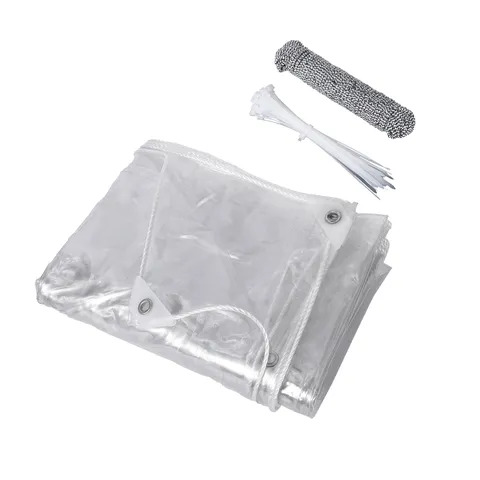 Garvee
Clear PVC tarp, 8 × 10 ft
Covers a fresh slab to cure, or keeps a lumber or drywall stack dry.
Check price
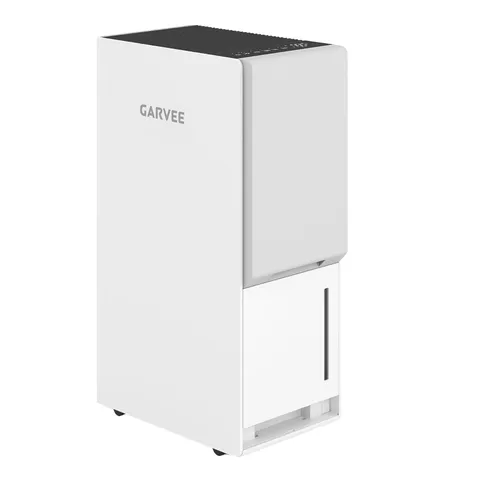 Garvee
Dehumidifier, 85 pint
For a whole basement after a pour or a flood; drains continuously.
Check price
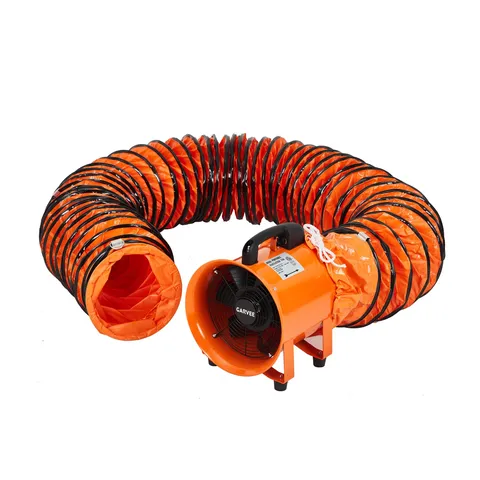 Garvee
Utility blower fan, 10 in
Moves air across a wet slab, fresh mud or new finish so it dries evenly.
Check price
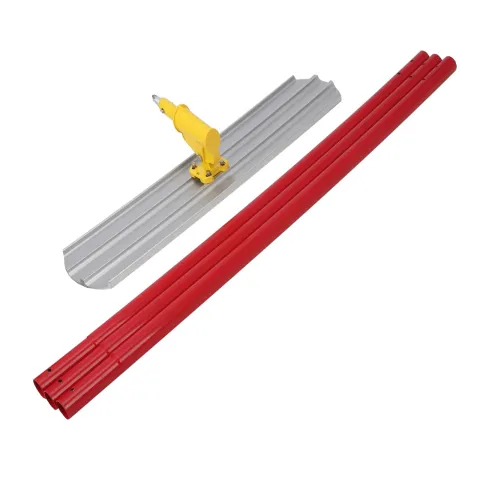 Garvee
Bull float, 48 × 8 in
Levels a fresh slab and brings up the cream for finishing.
Check price
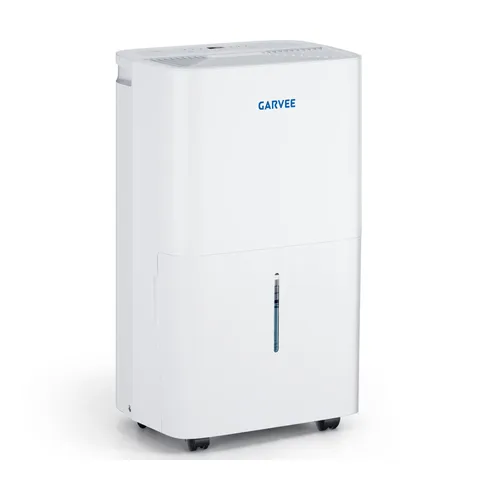 Garvee
Dehumidifier, 50 pint
Pulls the water out of a room so slabs, mud and new floors dry on schedule.
Check price
 Garvee
Two-wheel wheelbarrow
Stable on two wheels for bagged concrete, block and soil.
Check price
Not the tool you were after? Browse the whole range at Garvee — the store these picks come from.