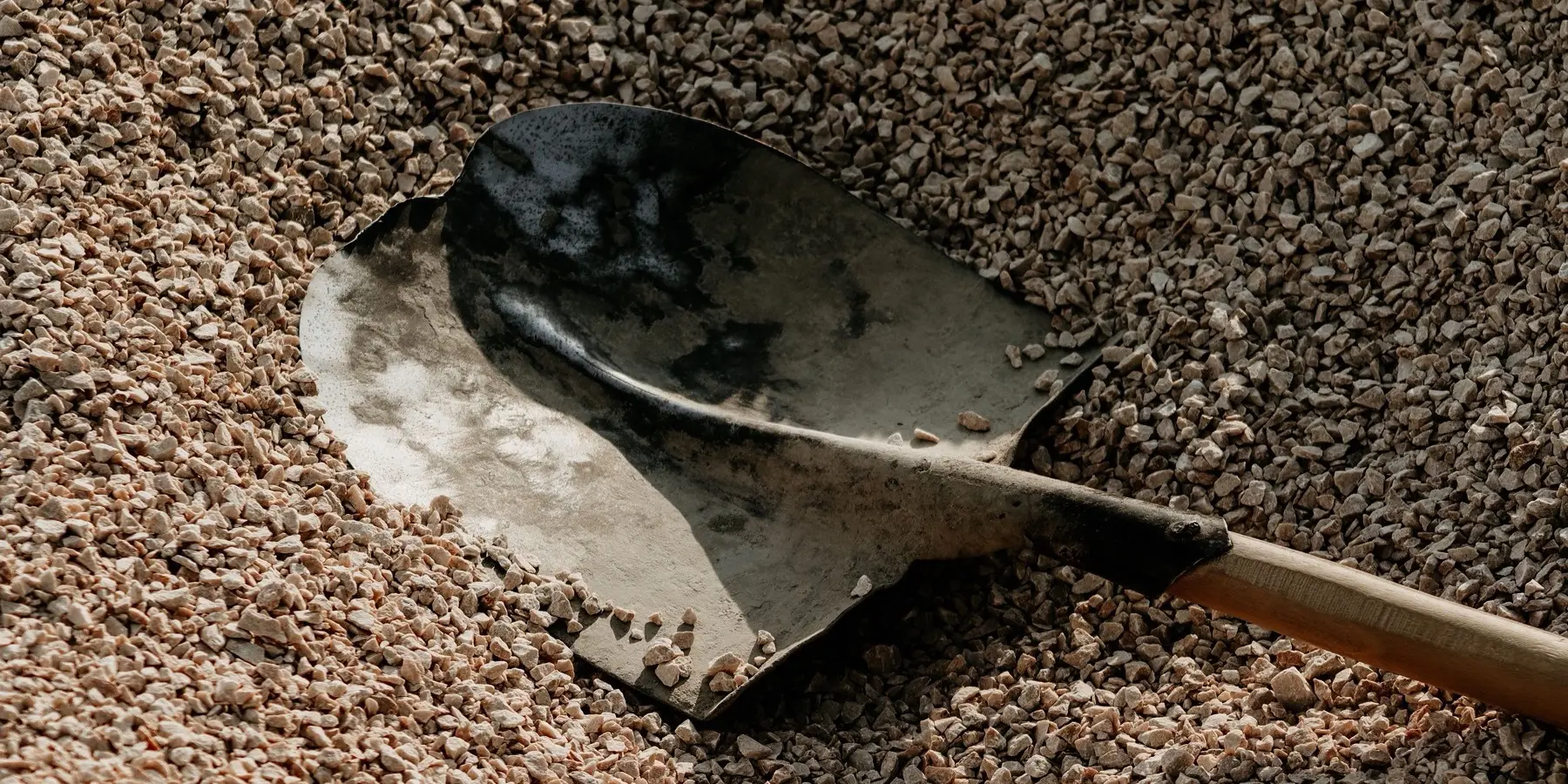
Reference
Crushed stone sizes and coverage
Stone is ordered by a grade number that says nothing about what it is for, and sold by weight when what you measured was volume. This page connects the three: which grade does which job, what a yard and a ton actually cover, and what a yard weighs.
Crushed stone sizes and what each grade is for
The number is a sieve grade, not a diameter. The practical difference is whether the grade contains fines: stone with fines locks together and compacts, clean stone stays loose and drains.
| Grade | Size | Compacts | Used for |
|---|---|---|---|
| #1 | 2–4 in | No | Heavy fill, erosion control, culvert bedding |
| #3 | ½–2 in | No | Deep drainage, ballast, soft-ground build-up |
| #4 | 1–1½ in | No | French drains, driveway base over soft soil |
| #57 | ¾ in | No | The workhorse: driveways, drainage, concrete mix |
| #67 | ¾ in to fines | Partly | Base and fill where some binding helps |
| #8 | ⅜ in | No | Top dressing, walkways, joints between pavers |
| #9 | ⅜ in to fines | Yes | Paver setting bed |
| #10 (screenings) | Dust to ¼ in | Yes | Paver leveling course, joint filling |
| #411 | ¾ in to dust | Yes | Driveway surface that stays put |
| Crusher run (#21A) | 1 in to dust | Yes | Compacted base under anything |
| Pea gravel | ⅜ in rounded | No | Paths, play areas, decorative beds |
Rounded stone never locks. Pea gravel on a driveway will rut and migrate no matter how deep it is laid, because round stones roll past each other under a wheel. That is a shape problem, not a depth problem, and no amount of extra material fixes it.
How much does a yard of gravel cover?
A cubic yard is 27 cubic feet regardless of what is in it, so coverage depends only on depth. Divide 324 by the depth in inches and you have the answer in square feet.
| Depth | One cubic yard covers | One ton covers | Typical use |
|---|---|---|---|
| 1 in | 324 sq ft | 240 sq ft | Top dressing an existing surface |
| 2 in | 162 sq ft | 120 sq ft | Paths, beds, thin refresh coats |
| 3 in | 108 sq ft | 80 sq ft | Driveway wearing course |
| 4 in | 81 sq ft | 60 sq ft | Base course, paver sub-base |
| 6 in | 54 sq ft | 40 sq ft | Full driveway build on firm ground |
| 8 in | 41 sq ft | 30 sq ft | Driveway on soft or clay ground |
The per-ton column assumes crushed stone at about 2,700 lb per cubic yard, which is the right figure for clean grades such as #57 and #8. Material with fines is heavier and covers less — see the weights below before ordering crusher run by the ton.
How much does a yard of gravel weigh?
Yards and tons are not interchangeable, and the conversion changes with the material. Fines fill the gaps between the stones, so anything containing dust weighs noticeably more per yard than clean stone of the same size.
| Material | Per cubic yard | Tons per yard |
|---|---|---|
| Clean crushed stone (#57, #8) | 2 600–2 800 lb | 1.30–1.40 |
| Pea gravel | 2 700–2 900 lb | 1.35–1.45 |
| Crusher run, loose | 2 900–3 100 lb | 1.45–1.55 |
| Crusher run, compacted | 3 200–3 400 lb | 1.60–1.70 |
| Stone dust and screenings | 3 000–3 200 lb | 1.50–1.60 |
| Washed concrete sand | 2 600–2 900 lb | 1.30–1.45 |
Wet stone is heavier again — rain can add 5 to 10% to a delivered ton, which buys you nothing but is charged for all the same. Quarries sell by scale weight, so the load that arrives after a wet week genuinely contains less stone.
The formula, and the depths that hold up
cubic yards = cubic feet ÷ 27
tons = cubic yards × tons per yard
ordered = tons × 1.10 (compaction and spread loss)
Worked example. A 12 × 40 ft driveway taking a 3 inch wearing course of #57: 12 × 40 × 0.25 = 120 cubic feet, or 4.4 cubic yards. At 1.35 tons per yard that is 6 tons, and 6.6 after the allowance — so order 7 and have the spare for the low spot that appears once the rest is raked.
A driveway that lasts is two layers, not one: 4 inches of compacted crusher run for structure, then 2 to 3 inches of #57 or #411 on top for the surface. On clay or anywhere that stays wet, the base goes to 8 inches and a geotextile fabric underneath stops the stone disappearing into the subgrade — which is where most of a thin driveway ends up within two winters.
Work out yards and tons →More in this series
The rest of the yard
These are the weights, coverages and rates every yard calculator on the site runs on. Each tool applies them to one material.
- Gravel Calculator Gravel, crushed stone, sand and road base by volume, tons and bags
- Mulch Calculator Cubic yards, bags or bales of mulch for every bed, topped up over the old layer
- Topsoil Calculator Cubic yards, tons and bags of topsoil, fill dirt or compost, with settling
- Sod Calculator Rolls or slabs of sod, pallets, pallet weight and what a trailer carries, with waste for cuts
- Grass Seed Calculator Pounds and bags of grass seed by grass type for a new lawn or overseeding, with starter fertilizer and straw
- Fertilizer Calculator Pounds and bags of lawn fertilizer from the nitrogen rate or the bag label, with the N, P and K actually applied
- Topsoil Weight and Coverage What a yard of soil weighs dry, moist and wet, and how far it spreads
- Mulch Coverage, Bags and Weight How far a yard and a bag of mulch spread, and what they weigh
- Gravel and Sand Weight per Yard What a cubic yard and a ton of gravel, sand and crushed stone weigh, how far a ton goes, and what a truck carries
- Grass Seed Germination and Planting Times How many days each grass takes to come up, when to plant it, how deep, and how to water a new seeding
- Sod Pallet Sizes and Weights Square feet and pieces on a pallet of sod, what a pallet, roll and slab weigh, what a truck can carry, and how long sod keeps
- Lawn Seed and Fertilizer Rates How often to fertilize, pounds of seed per 1,000 sq ft and per acre, fertilizer by NPK, how much lime, and when to overseed
- New Sod Watering and Rooting A week-by-week watering schedule for new sod, how long it takes to root, and when you can walk on, mow and feed it
Tools for the job
What makes this job easier
Tools and materials that suit this kind of job. These are affiliate links: if you buy through one, Renovimo may earn a commission at no extra cost to you. It never changes the figures on this page.
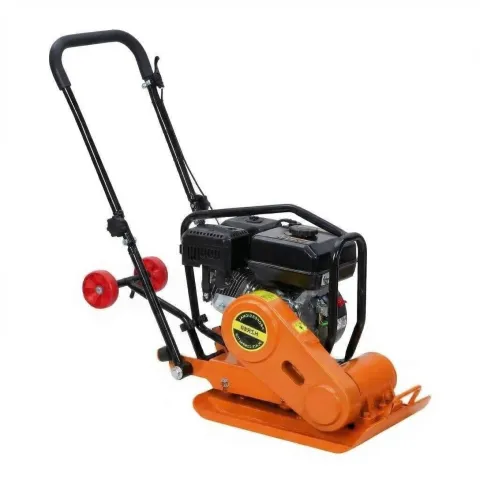 Garvee
Plate compactor, 7 HP
Compacts gravel base in lifts so pavers and walls do not settle.
Check price
Garvee
Plate compactor, 7 HP
Compacts gravel base in lifts so pavers and walls do not settle.
Check price
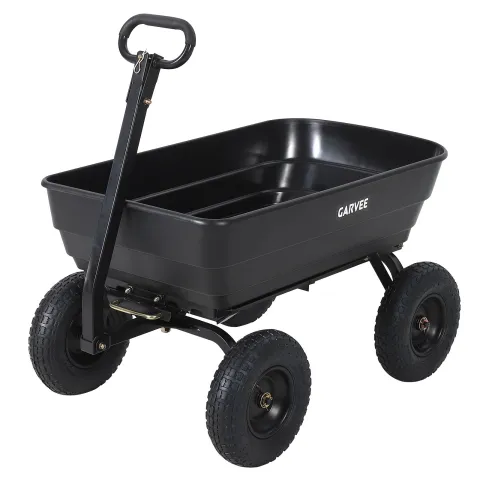 Garvee
Dump cart, 1200 lb
Tips a whole load of gravel, mulch or debris where you want it.
Check price
Garvee
Dump cart, 1200 lb
Tips a whole load of gravel, mulch or debris where you want it.
Check price
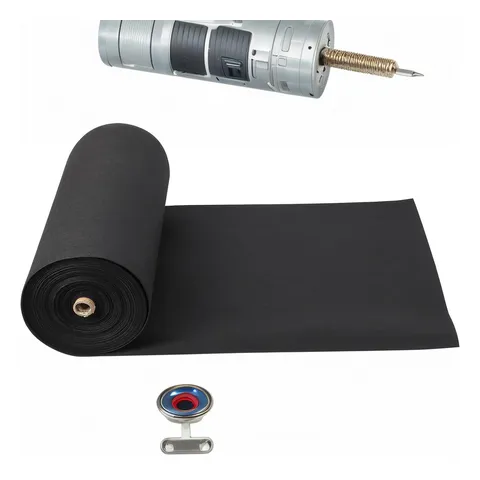 Garvee
Geotextile landscape fabric, 4 × 50 ft
Keeps gravel base from sinking into the soil under paths and pads.
Check price
Garvee
Geotextile landscape fabric, 4 × 50 ft
Keeps gravel base from sinking into the soil under paths and pads.
Check price
 Garvee
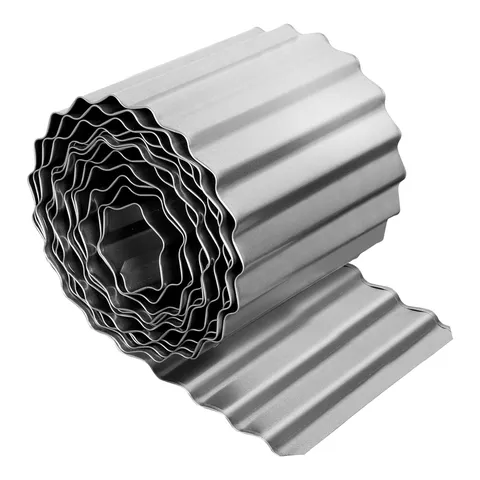
Corrugated metal edging, 6 in × 50 ft
Holds a gravel or mulch bed at its line.
Check price
Garvee
Corrugated metal edging, 6 in × 50 ft
Holds a gravel or mulch bed at its line.
Check price
 Garvee
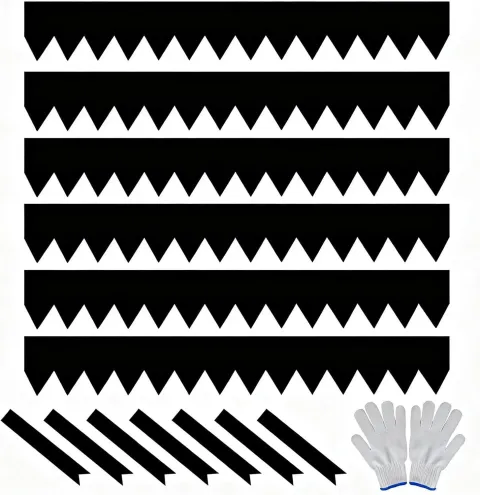
Steel landscape edging
Keeps gravel, mulch and pavers from creeping into the lawn.
Check price
Garvee
Steel landscape edging
Keeps gravel, mulch and pavers from creeping into the lawn.
Check price
 Garvee
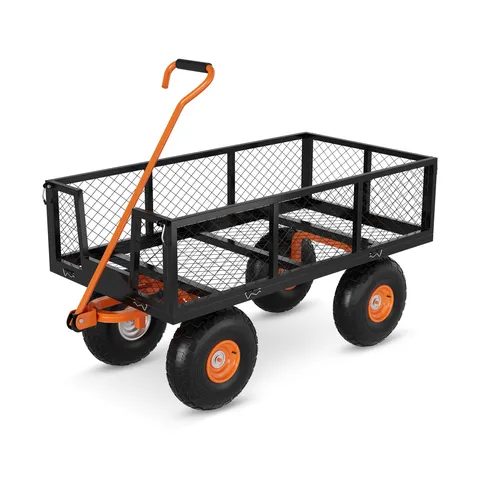
Steel garden cart, 900 lb
A flatbed wagon for bags of stone, soil and pavers; the sides come off.
Check price
Garvee
Steel garden cart, 900 lb
A flatbed wagon for bags of stone, soil and pavers; the sides come off.
Check price
Not the tool you were after? Browse the whole range at Garvee — the store these picks come from.